
West Coast Home Inspection
  • Home
  • About Us
    • About Wes
    • Why WCHI?
  • Services
    • 12 Month Warranty inspections
    • New Construction inspections
    • Pre-listing inspections
    • Residential home inspections
    • Condo and townhouse inspections
    • Manufactured home inspections
    • Multi-unit / duplex inspections
    • Pre-purchase inspections
    • 4-point inspections
    • Wind mitigation inspections
  • Locations
    • Cape Coral, FL
    • Fort Myers, FL
    • Port Charlotte, FL
    • North Fort Myers, FL
    • Punta Gorda, FL
    • Lehigh Acres, FL
    • Estero, FL
    • Fort Myers Beach, FL
    • Punta Gorda, FL
    • Naples, FL
    • Bonita Springs, FL
  • Blog
  • FAQ
  • Contact Us
Call us: (239) 464-3386
West Coast Home Inspection
Free Estimates
  • Home
  • About Us
    • About Wes
    • Why WCHI?
  • Services
    • 12 Month Warranty inspections
    • New Construction inspections
    • Pre-listing inspections
    • Residential home inspections
    • Condo and townhouse inspections
    • Manufactured home inspections
    • Multi-unit / duplex inspections
    • Pre-purchase inspections
    • 4-point inspections
    • Wind mitigation inspections
  • Locations
    • Cape Coral, FL
    • Fort Myers, FL
    • Port Charlotte, FL
    • North Fort Myers, FL
    • Punta Gorda, FL
    • Lehigh Acres, FL
    • Estero, FL
    • Fort Myers Beach, FL
    • Punta Gorda, FL
    • Naples, FL
    • Bonita Springs, FL
  • Blog
  • FAQ
  • Contact Us
4 Point Inspection vs Full Inspection

4 Point Inspection vs Full Inspection

A lot of Florida homeowners first hear the phrase 4 point inspection vs full inspection when an insurance company asks for paperwork or a real estate deal starts moving fast. That is usually when the confusion begins. These are not interchangeable services, and choosing the wrong one can leave you with unanswered questions about the home, unexpected repair costs, or delays you could have avoided.

In Southwest Florida, that difference matters even more. Homes here face intense sun, wind, heavy rain, humidity, and insurance scrutiny that buyers and owners in other markets may not deal with the same way. If you are buying, selling, renewing coverage, or trying to understand the true condition of a property, it helps to know exactly what each inspection is designed to do.

4 point inspection vs full inspection: what is the difference?

The short version is simple. A 4-point inspection is limited and purpose-driven. A full home inspection is broad, detailed, and meant to give you a much clearer picture of the property as a whole.

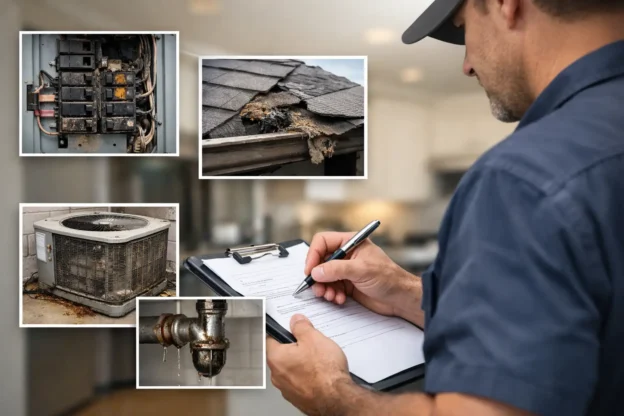
A 4-point inspection focuses on four major systems: the roof, electrical, plumbing, and HVAC. In Florida, this inspection is often requested by insurance carriers, especially for older homes. The insurer wants to know the age, condition, and general insurability of these core systems because they represent a large share of claim risk.

A full inspection goes much further. It looks at the home as a system, not just four parts of it. That includes structural components, interior rooms, doors and windows, attic areas, insulation, visible foundation conditions, exterior surfaces, appliances, drainage concerns, and many other readily accessible features. The goal is not just to satisfy a requirement. The goal is to help you make a sound decision.

That is why the better question is often not which inspection is better, but what problem you are trying to solve.

What a 4-point inspection actually covers

A 4-point inspection is narrow by design. It is not a reduced version of a full home inspection. It serves a different purpose.

The roof portion typically looks at the roofing material, visible condition, estimated age, and signs of deterioration or damage. The electrical section reviews the main panel, service type, visible wiring, and whether there are conditions that may concern an insurer, such as outdated components or improper modifications.

The plumbing section usually focuses on supply lines, drain lines, water heater basics, and visible leaks or material types that may be considered high risk. The HVAC portion reviews the heating and cooling system for age, basic function, and apparent condition.

Because it is limited, a 4-point inspection usually does not provide the deeper, transaction-level detail a buyer expects. It may help answer whether an insurer is likely to accept the home, but it will not fully answer whether the property is a wise purchase.

What a full home inspection gives you

A full inspection is designed for decision-making. If you are buying a home, preparing to list one, or evaluating a property you own, this is the inspection that gives you context.

Instead of asking only whether the four major systems look acceptable for insurance purposes, a full inspection asks broader questions. Are there signs of moisture intrusion? Is the attic showing evidence of past leaks? Are windows, doors, or exterior components showing wear that could lead to water entry? Are there defects that may not stop a sale today but could turn into expensive repairs next year?

This is also where advanced tools make a real difference. Moisture detection equipment, thermal imaging, and drone-assisted roof views can help identify concerns that are not obvious from a quick visual check alone. That kind of thoroughness matters in Florida homes, where hidden moisture and roof-related issues can become serious problems if missed.

A detailed report with photos is another major advantage. It gives buyers negotiation leverage, helps sellers prioritize repairs, and gives homeowners a clearer maintenance roadmap.

When a 4-point inspection makes sense

There are times when a 4-point inspection is exactly the right service.

If your insurance carrier requests one, that is the clearest example. Many Florida homeowners need a 4-point inspection when buying an older home, changing carriers, or renewing a policy on a property that falls into a higher-risk age category. In that situation, the inspection is part of keeping the coverage process moving.

It can also make sense when you already know the home well and only need to satisfy insurance documentation requirements. If the purpose is strictly compliance, a 4-point inspection may be enough.

But even here, it is worth being careful. Enough for insurance does not always mean enough for your protection. A home can pass a limited inspection and still have defects outside those four systems.

When a full inspection is the smarter choice

If you are buying a home, a full inspection is almost always the better choice. This is especially true in a market where homes can look well-maintained on the surface while hiding deferred maintenance, storm-related wear, or moisture issues.

A seller may also benefit from a full inspection before listing. Finding concerns early gives you time to make repairs, price the home more accurately, and avoid last-minute surprises during a buyer’s inspection period.

For homeowners, a full inspection can be valuable even outside a transaction. If you have not had the property evaluated in years, or if you want a professional look after storms, heavy seasonal weather, or recurring maintenance issues, a full inspection gives you a more complete baseline.

Why buyers often regret relying on only a 4-point inspection

This is where the 4 point inspection vs full inspection decision can become expensive. Buyers sometimes assume a 4-point inspection is enough because it covers the major systems. That assumption can lead to blind spots.

A limited insurance inspection may not fully address grading and drainage concerns, signs of minor movement, damaged exterior components, insulation problems, failing seals around openings, or interior issues that point to larger patterns. It may not focus on the same level of function testing or documentation a buyer needs to understand the home’s overall condition.

In practical terms, that means you may close on the house with insurance paperwork complete but still discover repairs that affect comfort, safety, or budget soon after move-in. Saving money upfront on a narrower inspection can cost more later if important defects go undetected.

Florida adds another layer to the decision

Florida homes come with inspection priorities that are not always as pressing in other states. Roof age and condition carry more weight because of weather exposure and insurance standards. HVAC systems work hard year-round. Moisture intrusion can develop quietly but cause major damage over time. Plumbing and electrical updates often matter both for safety and for coverage eligibility.

That does not mean every home needs every inspection under the sun. It does mean the inspection should match the real risks of the property and the reason you need it. In Fort Myers, Naples, Cape Coral, and other Southwest Florida communities, local experience matters because inspectors need to understand both housing conditions and insurance-driven concerns.

Can you need both?

Yes, and in many cases that is the most practical answer.

A buyer may need a full home inspection to make an informed purchase decision and a 4-point inspection to satisfy the insurance company. Those inspections overlap in some areas, but they are not duplicates. One is meant to support your understanding of the property. The other is meant to provide a specific type of documentation for underwriting.

If you only order one, make sure it is the one that fits your immediate goal. If your goal is risk reduction before buying, the full inspection should not be skipped. If your insurer requires a 4-point form, that specific service may still be necessary.

How to choose the right inspection without overpaying

Start with the reason for the inspection. If an insurance carrier has requested documentation, ask exactly what form or inspection type they need. If you are under contract on a home, think beyond the transaction deadline and focus on what information you need to protect your investment.

It also helps to ask what is included in the report, whether photos are provided, and whether the inspector uses tools that can reveal hidden moisture or roof concerns. A lower price on paper is not always the better value if the inspection leaves too many open questions.

For many Florida buyers and owners, the most dependable path is working with an inspector who can explain the difference clearly, perform the service you actually need, and deliver a report detailed enough to be useful after the appointment is over.

Choosing between a 4-point inspection and a full inspection is not just about checking a box. It is about knowing whether you need basic documentation or a clearer understanding of the home you are about to insure, sell, or live in. When the stakes are high, the right inspection gives you more than a report – it gives you confidence to move forward with fewer surprises.
This entry was posted in All Home Inspection Posts on July 7, 2026 by .
What Does a Home Inspector Check?

What Does a Home Inspector Check?

A home can look spotless at a showing and still have problems hiding behind walls, under sinks, or above the ceiling line. That is why buyers and sellers ask the same question: what does a home inspector check, and what can that inspection really tell you before money changes hands?

The short answer is that a home inspector evaluates the visible, accessible systems and components of the property to identify defects, safety concerns, and signs of wear that may affect value, function, or future repair costs. The longer answer matters more, especially in Southwest Florida, where heat, humidity, wind exposure, and heavy rain can put added stress on roofs, electrical systems, air conditioning equipment, and moisture-prone areas.

What does a home inspector check during a standard inspection?

A standard home inspection is a broad visual assessment of the property’s major systems. It is not a pass-or-fail test, and it is not the same as a code compliance inspection or an insurance inspection. The goal is to give you a clear picture of the home’s current condition so you can make a more informed decision.

In most cases, the inspection starts outside. The inspector looks at the roof covering, flashing, gutters, soffits, fascia, exterior walls, windows, doors, grading, drainage, driveways, and other visible exterior features. On a Florida home, this part of the inspection can reveal issues such as cracked tiles, damaged shingles, soft trim, poor drainage near the foundation, or signs that water may be working its way into the structure.

From there, attention turns to the structure itself. That includes the foundation, framing where visible, ceilings, floors, walls, and any signs of settlement, movement, or moisture intrusion. Not every crack means a major structural problem, but patterns matter. A trained inspector looks for the difference between normal cosmetic wear and conditions that deserve a closer look.

The major systems a home inspector checks

Roof

The roof is one of the most important and expensive components of the home, so it gets close attention. An inspector looks for visible damage, aging materials, improper repairs, missing or loose roofing materials, signs of leaks, and the general condition of the roof system. They also review roof penetrations, flashing, and drainage points.

In Southwest Florida, roof condition often carries added weight because of storm exposure and insurance requirements. A roof may still be functional but nearing the end of its useful life, which can affect negotiations, budgeting, or insurability.

Electrical system

The electrical inspection typically includes the main panel, subpanels, visible wiring, breakers, grounding, receptacles, switches, and installed fixtures. The inspector is looking for unsafe conditions such as double-tapped breakers, improper wiring, missing panel knockouts, overheating evidence, outdated components, or receptacles that do not test correctly.

This part of the inspection is about more than whether the lights turn on. A system can appear to work normally and still have defects that create safety concerns or future repair needs.

Plumbing system

Plumbing is evaluated at visible supply lines, drain lines, fixtures, water heaters, shut-off valves, and functional flow at sinks, tubs, showers, and toilets. Inspectors look for leaks, corrosion, poor drainage, low water pressure, loose fixtures, and signs of prior water damage.

In Florida homes, moisture issues can be especially important. A small leak under a sink or around a water heater may seem minor, but in a humid climate, hidden moisture can contribute to mold growth, wood damage, or deterioration over time.

HVAC system

The heating and cooling system is checked for basic operation and visible condition. That includes the air handler, condenser, ductwork where accessible, filters, thermostat response, and signs of deferred maintenance. In this region, air conditioning is not a luxury system. It is one of the most heavily used systems in the home.

An inspector is not performing a full engineering analysis of the equipment, but they can identify common concerns such as dirty components, rust, poor cooling performance, damaged insulation, or evidence that the unit may be aging out.

Interior areas

Inside the home, the inspector reviews walls, ceilings, floors, windows, doors, stairs, railings, and cabinets, along with visible signs of leaks, staining, cracking, or material damage. Appliances may be tested depending on what is included in the inspection agreement.

This is often where hidden problems start to leave clues. A stain on a ceiling, a soft area near a shower, or a sticking door may point to larger issues that deserve attention.

Attic, insulation, and ventilation

If accessible, the attic can tell an inspector a great deal about the home’s condition. They look for insulation levels, ventilation, roof framing issues, moisture staining, microbial growth concerns, and signs of pests. Poor attic ventilation can shorten roof life and increase cooling strain, which matters in a hot climate.

Foundation and crawlspaces

Not every Florida home has a crawlspace or basement, but when present, these areas are inspected for moisture, structural concerns, damaged supports, and signs of pest activity. Slab homes are assessed through visible indicators such as floor cracks, wall movement, and drainage patterns around the property.

What a home inspector checks for beyond the obvious

A good inspection is not just a checklist exercise. It is also about pattern recognition.

For example, one hairline crack in drywall may be ordinary settling. But if that crack appears alongside sloping floors, door alignment problems, and exterior movement, the concern changes. The same goes for moisture. One stained baseboard might suggest an old spill. Repeated staining, elevated moisture readings, and thermal anomalies can point to an active issue.

That is why experience matters. Thorough inspectors do not simply note defects. They connect the dots between symptoms, probable causes, and the practical next step.

Technology can help here as well. Moisture detection tools, thermal infrared cameras, and drone-mounted cameras can reveal issues that are easy to miss from ground level or during a basic visual walk-through. Those tools do not replace judgment, but they can strengthen the accuracy of the inspection when used correctly.

What does a home inspector check that buyers care about most?

Most buyers want to know three things. Is the home safe, is it structurally sound, and what is likely to cost money soon?

That means the most important findings often involve roof life, electrical hazards, plumbing leaks, air conditioning performance, water intrusion, and signs of major structural movement. Cosmetic issues matter less unless they point to a larger condition.

For sellers, the focus can be different. A pre-listing inspection often helps identify repair items before the home goes on the market. That can reduce surprises during the buyer’s inspection and make negotiations more predictable.

For homeowners, inspections may also serve insurance or maintenance goals. In Florida, that can include separate services such as 4-point inspections and wind mitigation inspections, which are more specific than a full home inspection and are often requested for underwriting purposes.

What a home inspection does not include

It helps to understand the limits of the process. A standard home inspection is visual and non-invasive. Inspectors do not open walls, tear up flooring, or predict exactly how long a system will last. They inspect what is accessible on the day of the appointment.

That means some issues can remain hidden, especially if blocked by furniture, stored items, finished surfaces, or locked areas. Pools, seawalls, septic systems, mold testing, and specialized environmental concerns may require additional services depending on the property.

This is not a flaw in the process. It is simply the reality of a professional visual inspection. A reliable report tells you what was inspected, what was found, and where further evaluation may be wise.

Why the inspection report matters as much as the inspection itself

A thorough inspection only helps if the findings are communicated clearly. The report should include photos, straightforward descriptions, and recommendations that make sense to a buyer, seller, or homeowner who is trying to make decisions quickly.

The best reports separate routine maintenance from significant concerns. They do not create panic over every small defect, and they do not soften serious issues into vague language. That balance matters when you are deciding whether to move forward, request repairs, or budget for future work.

For many clients, the real value is confidence. A detailed inspection can give you leverage in negotiations, help you plan repairs in the right order, and reduce the risk of expensive surprises after closing. That is especially true in a market where weather, insurance requirements, and aging systems can all influence the total cost of owning the home.

West Coast Home Inspection approaches that process with the kind of discipline and clear communication clients need when the stakes are high. If you are buying, selling, or reviewing a property’s condition, the right inspection does more than point out defects. It helps you make the next decision with your eyes open.

This entry was posted in All Home Inspection Posts on July 5, 2026 by .
Pre Purchase Home Inspection: What to Expect

Pre Purchase Home Inspection: What to Expect

The house looked right in the listing photos, the showing went well, and your offer is accepted. That is usually the moment when buyers feel relief. In reality, it is the point where a pre purchase home inspection becomes one of the most valuable steps in the entire transaction.

A home can present well and still have hidden concerns behind walls, above ceilings, or across the roofline. In Southwest Florida, those concerns can include moisture intrusion, aging HVAC systems, storm-related wear, electrical issues, and roofing problems that affect both safety and insurability. A thorough inspection gives you a clearer picture of what you are buying before you move any closer to closing.

What a pre purchase home inspection is really for

A pre purchase home inspection is not a pass-or-fail test. It is a professional evaluation of the property’s visible and accessible systems and components at the time of the inspection. The goal is simple: reduce surprises.

For buyers, that means understanding condition, identifying material defects, and getting practical information you can actually use. Sometimes the inspection confirms that the home is in solid shape. Sometimes it reveals deferred maintenance or larger concerns that need attention. Most often, it falls somewhere in the middle.

That middle ground matters. Few resale homes are perfect, especially in Florida’s climate. Heat, humidity, salt air, wind, and heavy rain all take a toll over time. What matters is not whether an inspector finds anything at all. What matters is whether you understand the significance of what is found, how soon it should be addressed, and what it may mean for your budget and negotiations.

Why Florida buyers should take this step seriously

In some markets, buyers feel pressure to move quickly and keep contingencies to a minimum. That can be tempting, but waiving a pre purchase home inspection can turn a fast deal into an expensive mistake.

Florida homes face conditions that are harder on building materials than many buyers expect. Roof coverings age faster under intense sun. Air conditioning systems work harder and longer. Moisture can enter around windows, doors, roofs, or plumbing penetrations and stay hidden until damage becomes more extensive. In some properties, especially older homes, insurance-related concerns may also come into play.

This is one reason detailed inspections matter so much in places like Fort Myers, Cape Coral, Naples, and nearby communities. You are not just evaluating cosmetic condition. You are evaluating how the home has held up in a demanding environment.

What an inspector looks at during the inspection

A professional inspection covers the home’s major systems and components that are safely visible and accessible. That typically includes the roof, exterior, structure, attic, insulation, plumbing, electrical system, HVAC, interior rooms, doors and windows, and built-in appliances.

The roof gets close attention because it protects everything below it. Signs of wear, missing materials, damaged flashing, ponding, or previous repairs can point to future expense. On the exterior, inspectors look for grading issues, cracks, damaged siding, unsafe walkways, and indications that water may not be draining away from the home as it should.

Inside, plumbing fixtures are tested, electrical panels are reviewed, outlets and visible wiring are checked, and HVAC performance is evaluated. Attics can reveal a great deal about ventilation, insulation, leaks, and previous repairs. Moisture detection tools and thermal imaging can also help identify issues that are not obvious to the naked eye.

That does not mean the inspection is invasive. Inspectors do not open walls or predict the future. What they do provide is a trained, systematic assessment based on what can be observed on the day of the inspection.

What a pre purchase home inspection can uncover

Some findings are minor and expected. A loose handrail, a worn weather seal, or a GFCI outlet that needs correction may not change your buying decision. They are useful to know, but they are usually manageable.

Other findings deserve more attention. Roof issues, active leaks, electrical hazards, aging plumbing materials, poor drainage, structural movement, or HVAC systems near the end of service life can materially affect the cost of ownership. Those items may influence negotiations, insurance planning, or whether the purchase still makes sense for you.

There is also a category of findings that is less dramatic but still important: maintenance. A good inspection often shows where a home has been cared for consistently and where upkeep has been postponed. That context helps buyers understand not just one isolated issue, but the overall pattern of how the property has been maintained.

What to expect from the report

The inspection is important, but the report is what stays with you. A strong report should be clear, detailed, and supported by photos so you can understand both the issue and its location.

This is especially useful when you are making fast decisions during the inspection period. You need to know what is significant, what is routine, and what may require a licensed specialist for further evaluation. Vague reporting does not help buyers. Clear communication does.

A dependable inspection company will also be available to answer questions after the report is delivered. That matters because most buyers are not just looking for a checklist. They want context. Is this a common issue? Is it urgent? Is it a safety concern, a maintenance item, or a likely negotiation point?

How buyers use the inspection in negotiations

A pre purchase home inspection gives you information, not automatic leverage. Whether the seller agrees to repairs, credits, or a price adjustment depends on the market, the contract, and the severity of the findings.

Still, good information puts you in a much stronger position. If the inspection reveals a roof leak, an unsafe electrical condition, or significant moisture intrusion, you can make requests based on documented conditions rather than assumptions. If the findings are mostly smaller maintenance items, you may decide to move forward without asking for much at all.

This is where perspective matters. Buyers sometimes expect an older home to inspect like a new one, and that is not realistic. On the other hand, major defects should never be dismissed as normal wear and tear. A disciplined inspection helps separate one from the other.

Choosing the right inspection company

Not all inspections are performed with the same level of thoroughness. Buyers should look for an inspector who is experienced, responsive, and able to explain findings in plain language. The inspection should be detailed enough to support a major financial decision, not rushed just to meet a deadline.

In Florida, it is also worth choosing a company that understands local property conditions and insurance realities. Advanced tools such as moisture meters, thermal infrared cameras, and drone-mounted cameras can add meaningful value when they are used as part of a careful process, not as a gimmick.

West Coast Home Inspection approaches pre-purchase inspections with that standard in mind: thorough reporting, practical communication, and a clear focus on helping buyers make informed decisions with confidence.

When an inspection may need follow-up

Sometimes the inspection answers your questions. Sometimes it points to the need for more specialized review. If an inspector finds signs of structural movement, active roof leaking, unsafe electrical conditions, or HVAC performance concerns, a licensed contractor or specialist may need to evaluate further.

That is not a sign the inspection failed. It means the process is working as intended. A general home inspection is designed to identify visible concerns and alert you when deeper review is warranted.

The value is not just in finding problems

Many buyers think of a pre purchase home inspection as a way to catch defects before it is too late. That is true, but it is only part of the story.

A quality inspection also helps you plan. Even if you move forward without renegotiating, you now know more about the home’s current condition, likely maintenance priorities, and possible future costs. That is valuable on day one of ownership. It is even more valuable six months later when something needs attention and you are not caught off guard.

The right inspection does more than flag issues. It gives you a more honest starting point. And when you are making a major investment, clarity is worth a great deal more than guesswork.

This entry was posted in All Home Inspection Posts on July 3, 2026 by .
New Construction Inspection vs Final Walkthrough

New Construction Inspection vs Final Walkthrough

A builder hands you the keys, the home looks spotless, and the closing date is already on the calendar. That is exactly when many buyers assume everything has been checked. In reality, the difference between a new construction inspection vs final walkthrough can have a direct impact on whether you move into a home with hidden defects, unfinished items, or systems that were never properly evaluated.

For buyers, these two steps are not interchangeable. One is a professional inspection focused on condition, performance, and defects. The other is a buyer-oriented review to confirm the home is in the expected state before closing. Both matter, but they serve different purposes.

New construction inspection vs final walkthrough: what is the difference?

A new construction inspection is a professional, third-party evaluation of the home. It is designed to identify deficiencies in workmanship, installation, and major systems before you take ownership. Even in a brand-new house, issues can show up in roofing, grading, electrical components, HVAC performance, plumbing fixtures, attic conditions, windows, insulation, moisture-prone areas, and more.

A final walkthrough is typically the buyer’s last visit before closing. It is not a substitute for an inspection. Its purpose is to confirm that agreed repairs were completed, finishes are as expected, appliances and fixtures that should remain are still present, and the property has not changed since the contract was signed.

That distinction matters. A walkthrough is mostly about confirming condition and completion. A new construction inspection is about uncovering problems that may not be obvious to the untrained eye.

Why buyers confuse them

The confusion is understandable because both happen near the end of the building or closing process. Builders may also conduct their own orientation or punch-list review, which can look similar to a walkthrough. But a builder representative is not acting as your independent inspector.

Buyers also assume a new home should not need an inspection at all. That sounds reasonable until you remember how homes are built. Multiple crews work on tight schedules, municipal code inspections are limited in scope, and small oversights can stack up. A house can be new and still have incomplete flashing, reversed outlets, missing insulation, HVAC issues, roof concerns, drainage problems, or moisture intrusion risks.

A clean-looking home is not the same as a thoroughly evaluated home.

What a new construction inspection actually covers

A proper new construction inspection looks beyond cosmetic appearance. The inspector is evaluating whether the home’s visible and accessible components are installed properly and functioning as intended at the time of the inspection.

That usually includes the roof, exterior, attic, insulation, foundation visibility, drainage, doors, windows, interior surfaces, electrical system, plumbing system, HVAC, water heater, and built-in appliances. In Florida, that exterior review can be especially important because drainage, roof details, moisture management, and weather exposure are not minor issues. They directly affect long-term performance.

Depending on the stage of construction, the inspection may happen before drywall, before closing, or as part of an 11-month or 12-month warranty inspection. Each timing has advantages. A pre-drywall inspection can reveal framing or installation concerns before walls are closed up. A pre-closing inspection helps catch issues before final signoff. A warranty inspection gives homeowners one more chance to document concerns before the builder’s warranty period changes or expires.

What a final walkthrough is meant to do

The final walkthrough is narrower. It gives the buyer a chance to verify that the home is substantially complete and that promised corrections are done.

This is the time to confirm things like paint touch-ups, damaged materials that were supposed to be replaced, appliance installation, garage door operation, missing screens, fixture damage, and any agreed punch-list items. You are also checking that no new damage occurred while work crews were finishing the house or moving equipment.

It is practical, but it is not technical. A walkthrough does not typically include opening electrical panels, evaluating attic conditions, checking temperature differentials at HVAC registers, assessing roof installation details, or using tools to identify moisture issues. Those are inspection functions.

New construction inspection vs final walkthrough: why you often need both

If you are buying a newly built home, the best approach is usually not choosing one over the other. It is understanding what each step does and using both appropriately.

The inspection gives you an independent assessment. The walkthrough gives you a final confirmation. When used together, they help reduce the chance that you miss either a hidden defect or an unfinished correction.

This is especially helpful when builders complete work close to the closing date. A third-party inspector may identify items that need correction, but the final walkthrough lets you confirm whether those corrections were actually made. If a repair was promised, this is your chance to verify it before you sign final documents.

That sequence matters because once closing is complete, leverage can change. Builders may still be responsible for warranty items, but getting action after move-in can be slower and more frustrating than addressing concerns before closing.

What a final walkthrough will not catch

A buyer doing a walkthrough can spot obvious issues, but many important defects are subtle. A missing GFCI protection issue may not stand out. Improper attic insulation may go unnoticed. Roof flashing problems are not always visible from the ground. Drainage concerns may be easy to miss on a dry day. Minor moisture anomalies around windows, tubs, showers, or exterior penetrations do not always announce themselves.

This is where an experienced inspector adds value. Thorough inspectors rely on training, process, and tools, not just a quick visual scan. Moisture detection equipment, thermal imaging, and careful component testing can help identify problems that a casual visit will miss.

That does not mean every issue is major. Some findings will be minor corrections or normal builder punch-list items. But some are more significant, and the point is to know the difference before the transaction is complete.

What buyers should do before closing on a new build

Start by reviewing your contract timeline. Some builders have specific procedures for inspections, reinspection requests, or final acceptance items. It is better to schedule early than to realize too late that your inspection window is compressed.

If possible, arrange the new construction inspection before the final walkthrough. That gives the builder time to respond to findings and gives you a clearer list of what to revisit. Then use the walkthrough to verify repairs, check finishes, and make sure no new issues appeared.

Bring documentation with you. If the inspector identified concerns, keep the report accessible during the walkthrough. If the builder agreed to specific corrections, have those items listed clearly. This keeps the conversation focused and avoids relying on memory during a busy closing week.

If a home is already complete and you are close to the closing date, it is still worth getting a professional inspection if your contract allows it. Buyers sometimes assume they are too late, but a pre-closing inspection can still reveal issues that deserve attention.

The Florida factor buyers should not ignore

In Southwest Florida, new homes face real environmental demands from the start. Heat, humidity, wind, heavy rain, and storm exposure all place pressure on roofing systems, drainage, exterior penetrations, and HVAC performance. That makes details more important, not less.

A final walkthrough may tell you that the paint looks good and the appliances are installed. A new construction inspection is more likely to tell you whether the home appears ready for the conditions it will actually face.

That is one reason many buyers choose an inspection company that is known for detailed reporting, clear communication, and field technology that helps document concerns thoroughly. For a major purchase, vague reassurance is not enough. You want findings you can act on.

The better question is not which one matters more

When buyers ask about new construction inspection vs final walkthrough, they are often trying to decide which step they can skip. Usually, that is the wrong question.

The better question is whether you have both an independent evaluation of the home’s condition and a final chance to confirm completion before closing. If the answer is yes, you are in a much stronger position. If the answer is no, you may be relying on appearances at the most expensive moment of the transaction.

A new home should feel exciting, not uncertain. Taking the time to separate inspection from walkthrough gives you a clearer picture of what you are buying and a better chance to address problems while you still have options. That peace of mind is worth bringing to the front door with you.

This entry was posted in All Home Inspection Posts on July 1, 2026 by .
Wind Mitigation vs Home Inspection Explained

Wind Mitigation vs Home Inspection Explained

If you are buying a home in Florida or reviewing insurance paperwork on the one you already own, the question usually comes up fast: wind mitigation vs home inspection – which one do you actually need? The short answer is that they serve different purposes. One is mainly about insurance and storm resistance. The other is about the overall condition of the property. Confusing them can lead to missed issues, delayed paperwork, or the wrong expectations going into a sale.

In Southwest Florida, that distinction matters more than it does in many other markets. Buyers are thinking about roof age, openings protection, and hidden moisture. Sellers want fewer surprises before listing. Homeowners are trying to satisfy insurance requirements without paying for services that do not solve the right problem. Knowing what each inspection is designed to do helps you make a smarter decision and avoid gaps.

Wind mitigation vs home inspection: the core difference

A home inspection is a broad evaluation of a property’s visible and readily accessible systems and components. It is designed to help a buyer, seller, or owner understand the home’s current condition. That usually includes the roof, structure, electrical, plumbing, HVAC, doors, windows, attic, insulation, and interior spaces. The goal is practical: identify defects, maintenance concerns, and items that may need repair or further evaluation.

A wind mitigation inspection is much narrower. It focuses on specific construction features that affect how well a home may perform in high-wind events and how an insurer may rate that risk. In Florida, this often includes the age and shape of the roof, roof deck attachment, roof-to-wall connections, secondary water resistance, and opening protection such as impact-rated windows or shutters.

So if you are choosing between wind mitigation vs home inspection, the real answer is not that one replaces the other. They answer different questions. A home inspection asks, “What condition is this house in?” A wind mitigation inspection asks, “What storm-resistant features does this house have that may affect insurance?”

What a home inspection is meant to tell you

A standard home inspection is about risk reduction in a real estate decision. If you are buying, it gives you a clearer picture of what you are stepping into before the closing table. If you are selling, it helps you spot issues before a buyer does. If you already own the home, it can help you prioritize repairs and maintenance.

That broader scope is why a home inspection often uncovers issues that have nothing to do with wind resistance. An inspector may find an aging water heater, a panel with safety concerns, signs of moisture intrusion around a window, a struggling air conditioning system, or evidence of a roof leak inside the attic. Those findings matter because they affect cost, safety, comfort, and negotiating leverage.

What a home inspection does not do is assign insurance credits for wind-resistant features. Even if the inspector notes that shutters are present or the roof appears newer, that does not make the report a substitute for a formal wind mitigation inspection.

What a wind mitigation inspection is meant to tell you

A wind mitigation inspection is much more targeted. It documents the construction details insurers care about when evaluating wind risk. In Florida, this can directly affect premiums. For some homeowners, a qualified wind mitigation report may help identify discounts or credits. For others, it provides the documentation an insurance carrier wants when underwriting or renewing a policy.

This inspection is not trying to tell you whether the entire house is in good shape. It is not a full condition assessment. A home could perform well on a wind mitigation report and still have plumbing leaks, electrical defects, poor drainage, or deferred maintenance in other systems.

That is where people get tripped up. They hear that a wind mitigation inspection involves the roof and windows and assume it covers most of the same ground as a home inspection. It does not. It may inspect certain elements in detail for a very specific purpose, but it is not designed to give you the full picture of the property.

Why Florida homeowners often need both

In Southwest Florida, homes are exposed to heat, humidity, heavy rain, and serious storm risk. That creates two separate concerns. The first is the house’s overall condition. The second is how the house is documented for insurance purposes.

A buyer may need a home inspection to understand whether the property has hidden defects before moving forward. That same buyer, or the new owner after closing, may also need a wind mitigation inspection to support insurance underwriting. A seller may order a pre-listing inspection to get ahead of repair negotiations, while also gathering a current wind mitigation report to make the insurance side of the conversation easier for prospective buyers.

For existing homeowners, the need is often insurance-driven. If the carrier requests updated information about the roof, attachments, or opening protection, a wind mitigation inspection may be the right service. But if the concern is whether the home has developing issues, deferred maintenance, or moisture problems after a storm season, that points back to a comprehensive home inspection.

Wind mitigation vs home inspection for buyers

If you are under contract on a home, the home inspection is the more critical first step. It gives you a decision-making tool. You can use the findings to negotiate repairs, request credits, budget for future work, or decide whether the deal still makes sense.

A wind mitigation inspection can still be valuable during that process, especially in Florida, but it serves a different function. It may help you understand what insurance documentation exists or what storm-related features the home has. That can affect your future premium, but it should not be mistaken for a replacement for a full inspection.

For buyers, the biggest mistake is trying to save money by skipping the broader inspection. A narrow report that helps with insurance will not alert you to many of the issues that can become expensive after closing.

Wind mitigation vs home inspection for sellers

Sellers benefit from clarity. A pre-listing home inspection can reveal issues before a buyer’s inspector finds them, which gives you more control over timing, repairs, and pricing strategy. It can also make negotiations more straightforward because fewer surprises show up late in the transaction.

A wind mitigation inspection can support the insurance side of the sale, especially if your home has features that may be favorable to a buyer’s insurer. That may be useful information, but it is not the same as showing that the home is well maintained overall.

If you are preparing to list, the right choice depends on what problem you are trying to solve. If the goal is to uncover condition issues, start with the home inspection. If the goal is to document wind-resistant features for insurance, add the wind mitigation inspection.

When one inspection is enough – and when it is not

There are situations where you may only need one service.

If you are a current homeowner and your insurance company is asking specifically for wind-related documentation, a wind mitigation inspection may be enough. If you are not buying or selling and you do not have broader concerns about the home’s condition, a full home inspection may not be necessary at that moment.

If you are buying a property, though, relying on wind mitigation alone is usually not enough. The same is true if you are concerned about maintenance issues, interior leaks, aging systems, or visible signs that something may be wrong.

It depends on the decision in front of you. Insurance questions call for one kind of report. Property condition questions call for another.

What to expect from the inspection process

A dependable inspection process should be clear, well documented, and practical. For a home inspection, that means a detailed report with photos, observations, and recommendations that help you understand what matters now versus what should be monitored over time. For a wind mitigation inspection, it means accurate documentation of the specific features insurers are asking about.

This is where experience matters. In Florida homes, details like roof geometry, fastening methods, attic access, moisture intrusion, and storm-protection features can have real financial consequences. An inspector who understands both the structure of the home and the local insurance landscape can help you avoid confusion and wasted time.

That is also why many property owners prefer working with one company that can clearly explain the difference and provide the right service based on the situation. West Coast Home Inspection serves clients across Southwest Florida with that practical approach – thorough reporting, strong communication, and inspections built around the realities homeowners face here.

The better question is not simply wind mitigation vs home inspection. It is, “What information do I need to make the next decision with confidence?” Once you answer that, the right inspection usually becomes obvious. If you are protecting a purchase, understanding a home’s condition comes first. If you are dealing with insurance, wind mitigation may be the missing piece. And if both issues are on the table, getting both can save you from a much more expensive surprise later.

This entry was posted in All Home Inspection Posts on June 29, 2026 by .
Complete Guide to Pre Purchase Inspection

Complete Guide to Pre Purchase Inspection

A home can look well cared for during a showing and still have problems hiding in the roof, attic, electrical panel, or behind a freshly painted wall. That is why a complete guide to pre purchase inspection matters before you commit to one of the biggest financial decisions you will make. The goal is not to scare buyers. It is to replace guesswork with clear facts so you can move forward with confidence.

For buyers in Southwest Florida, that confidence matters even more. Heat, humidity, wind, salt air, heavy rain, and insurance requirements all put extra pressure on a home’s systems and structure. A solid inspection helps you understand the property as it exists today, not just how it looked during a 20-minute tour.

What a pre-purchase inspection really does

A pre-purchase inspection is a visual, non-invasive evaluation of a home’s major accessible components. It gives you a professional opinion on the condition of the property at the time of the inspection. That includes signs of current defects, deferred maintenance, safety concerns, and systems near the end of their useful life.

It is not a pass-or-fail test, and it is not a guarantee that nothing will ever go wrong after closing. Even a well-maintained house will have normal wear. What matters is knowing which findings are minor, which are expensive, and which should change your negotiation strategy or purchase decision.

A good inspector does more than hand over a checklist. The best inspections provide context. A loose handrail is not the same as active moisture intrusion under a roof covering. A worn weather strip does not carry the same risk as an outdated electrical issue. Buyers need that difference explained clearly.

A complete guide to pre purchase inspection: what gets checked

Most pre-purchase inspections focus on the home’s visible and accessible components, starting with the structure and exterior. That includes the foundation, grading and drainage, walls, windows, doors, soffits, fascia, and visible signs of settlement or moisture entry. The roof is also a major focus because roof age, condition, and damage can affect both repair costs and insurability.

Inside the home, the inspector evaluates the plumbing, electrical, and HVAC systems. Fixtures are tested, visible leaks are noted, panels are reviewed, and cooling performance is checked. In Florida, air conditioning is not just a comfort issue. It is a practical necessity, and poor performance can point to expensive service needs.

The inspection also covers interior components such as ceilings, walls, floors, stairs, cabinets, and built-in appliances. Attics and insulation are important as well, especially when checking for ventilation problems, staining, microbial growth concerns, or signs of prior leaks.

Many inspection companies now use tools that help reveal issues not obvious to the naked eye. Moisture meters can help confirm suspected leaks. Thermal infrared imaging can help identify temperature differences that suggest hidden moisture or insulation gaps. Drone-mounted cameras can provide a closer look at roofing areas that are difficult or unsafe to access. Those tools do not replace experience, but they can make the inspection more complete.

Why Florida homes need extra attention

A national article on inspections will only get you so far. Florida homes come with specific concerns, and buyers should understand them before the inspection report arrives.

Roof condition is often the first one. In many parts of Florida, roofs face intense sun, heavy storms, and occasional hurricane exposure. Even if a roof is not actively leaking, its age and remaining life can affect your insurance options. That is why visible wear, damaged shingles or tiles, flashing issues, and signs of prior repairs deserve close review.

Moisture is another major concern. High humidity and frequent rain can create conditions for wood rot, staining, mold-like growth, and hidden damage around windows, doors, plumbing fixtures, and HVAC systems. A home may appear dry on the surface while showing subtle warning signs in the attic, under sinks, or around air handlers.

Electrical and plumbing systems also deserve careful attention, especially in older homes, condos, and investment properties. Materials, past repairs, and code-era installations all matter. The issue is not whether a home is old. The issue is whether it has been maintained properly and whether any visible conditions suggest safety concerns or future expense.

What a pre-purchase inspection does not cover

This is where buyers sometimes get tripped up. A home inspection is broad, but it is not limitless. Inspectors do not open walls, move furniture, or predict future failures with certainty. If an area is blocked, inaccessible, or not safely reachable, it may be excluded from inspection.

Some items may require separate specialty evaluations depending on the property and your concerns. That can include sewer scopes, pool inspections, mold testing, pest inspections, seawall evaluations, or structural engineering review. In Florida, wind mitigation and 4-point inspections may also be relevant for insurance purposes, but they are not the same thing as a full pre-purchase inspection.

That is not a weakness in the process. It is simply the reality of a visual inspection. A trustworthy inspector tells you where the limits are and when additional specialists should be considered.

When to schedule the inspection

The best time to schedule is as soon as you are under contract and within your inspection period. Waiting too long creates unnecessary pressure. If the report reveals major concerns, you need time to review the findings, request repairs, gather estimates, or reconsider the purchase.

Try to attend the inspection if you can. The written report is important, but walking the property with the inspector gives you a better feel for the house. You can ask questions in real time and get a clearer understanding of which issues are routine and which deserve immediate attention.

If you cannot attend, make sure the company provides a detailed report with photos and clear explanations. Fast turnaround matters in real estate, but speed should not come at the expense of thoroughness.

How to read the report without overreacting

Almost every inspection report will look long. That alone should not alarm you. Even newer homes can generate pages of notes, maintenance items, and recommendations.

The smartest way to read the report is by separating findings into three groups: safety concerns, major defects, and routine maintenance. Safety issues and major defects deserve immediate attention because they affect livability, cost, or risk. Routine maintenance still matters, but it usually should not derail a purchase on its own.

This is also where local experience helps. In Southwest Florida, an inspector who understands roofing exposure, moisture patterns, attic conditions, and insurance-related concerns can give better practical guidance than someone relying on generic standards alone. West Coast Home Inspection, for example, builds that process around detailed reporting, clear communication, and inspection technology that helps buyers see what they are actually dealing with.

What to do after the inspection

Once you have the report, slow down and make decisions in order. First, review the major findings with your inspector so you understand the actual risk, not just the wording. Then speak with your real estate agent about what is reasonable to request from the seller.

Sometimes the right move is to ask for repairs. Sometimes a credit makes more sense. Sometimes the issue is serious enough that you bring in a specialist before moving forward. And sometimes the report confirms that the home is in solid condition, with only the normal maintenance needs you would expect.

There is no single right response because every deal is different. A competitive market may limit negotiation room. A fixer-upper may come with known trade-offs. A newer home may still have installation defects worth addressing. The inspection gives you leverage, but it also gives you a clearer standard for deciding what level of risk you are comfortable accepting.

Cost versus value

Some buyers hesitate at the inspection fee, especially after already paying for appraisal, deposits, and closing costs. But compared with the cost of an undiscovered roof issue, hidden leak, failing HVAC system, or electrical problem, the inspection fee is usually one of the smallest and smartest investments in the transaction.

The value is not only in finding defects. It is also in understanding the home’s condition well enough to budget for ownership. That can help you avoid surprises in the first year and plan repairs on your terms instead of in a panic.

A pre-purchase inspection should leave you better informed, not more confused. When the process is done thoroughly and explained clearly, you are not just buying a house based on curb appeal or seller disclosures. You are making a decision based on evidence, and that is the kind of footing every buyer deserves.

This entry was posted in All Home Inspection Posts on June 27, 2026 by .
What a Wind Mitigation Inspection Checks

What a Wind Mitigation Inspection Checks

A roof can look fine from the driveway and still miss the features insurers care about most. In Southwest Florida, that gap matters. A wind mitigation inspection focuses on the parts of a home that help it stand up better to high winds, and the findings can affect insurance discounts, documentation requirements, and peace of mind before storm season.

For buyers, sellers, and current homeowners, this inspection is less about appearances and more about verified construction details. It answers practical questions. How is the roof attached? Does the roof deck have the right nailing pattern? Are the openings protected? Those details can make a real difference when an insurer calculates risk.

What a wind mitigation inspection is meant to do

A wind mitigation inspection is a specialized inspection that documents construction features known to reduce wind damage. In Florida, insurers often use this information to determine whether a property qualifies for premium credits or discounts. The inspection does not guarantee lower insurance costs, but it gives the insurer the documentation needed to evaluate the home correctly.

This is where many homeowners get tripped up. They assume age alone tells the story. A newer roof may help, but the inspection is looking for specific evidence, not broad assumptions. Two homes built in the same year can produce very different results if one has stronger roof-to-wall connections, better opening protection, or updated roofing materials.

The report is typically submitted on a standardized form used by insurers in Florida. Because of that, accuracy matters. Missing a detail, or documenting it poorly, can mean missed credits or follow-up questions from the carrier.

What is checked during a wind mitigation inspection?

The inspection centers on a short list of structural features with outsized importance during wind events.

Roof covering and age

The inspector identifies the roof covering type and documents when the roof was installed, if records are available. Insurers want to know not only what material is on the home, but whether it was installed under building code requirements that may improve performance.

Age alone is not the only factor, but it often sets the stage for how the rest of the inspection is viewed. A roof installed under more recent Florida codes may offer advantages, assuming the supporting details can be verified.

Roof deck attachment

This refers to how the roof sheathing is fastened to the roof framing. The size of the nails and the spacing pattern matter. Stronger attachment can improve resistance to uplift during high winds.

This is one of the most important parts of the inspection and one of the hardest for homeowners to evaluate on their own. It usually requires access to the attic and a trained eye to identify the fastening pattern correctly.

Roof-to-wall attachment

The inspector documents how the roof structure is connected to the walls. This may involve clips, single wraps, double wraps, or other connector types. Stronger connections generally mean better wind resistance.

Small differences in hardware can lead to different classifications on the report. That is one reason a careful inspection matters. A vague look is not enough when the distinction can affect insurance outcomes.

Roof geometry

The shape of the roof can influence how wind moves across the structure. Hip roofs generally perform better in wind than gable roofs because they tend to reduce uplift pressure at the ends.

That does not mean a gable roof is a problem by itself. It means geometry is part of the full risk picture. Insurers often recognize certain roof shapes more favorably than others.

Secondary water resistance

This refers to an added layer of protection beneath the roof covering that may help reduce water intrusion if the outer roofing material is damaged. Not every home has it, and not every installation can be visually confirmed during a standard inspection.

This is one of those areas where the answer may depend on available documentation or visible evidence. If it cannot be verified, it usually cannot be credited.

Opening protection

Windows, doors, garage doors, and skylights are checked for impact-rated protection or approved storm shutters. If wind breaches an opening, internal pressure can rise quickly and increase the chance of major roof or structural damage.

This section can be more detailed than homeowners expect. It is not enough to have shutters somewhere in the garage. The protection must meet the right standards and correspond to the openings it is meant to cover.

Why this inspection matters in Florida

In Southwest Florida, wind exposure is not theoretical. Homes in Fort Myers, Cape Coral, Naples, and surrounding communities face seasonal storm risk as a normal part of ownership. A wind mitigation inspection gives homeowners a clearer picture of how their home is built to handle that risk.

Insurance is usually the main reason people schedule one. If the home has qualifying features, the inspection may help support policy discounts. In some cases, the savings can offset the cost of the inspection fairly quickly. In other cases, the discounts are modest. It depends on the age of the home, the insurer, the policy structure, and what protective features can be documented.

There is also value beyond premium discussions. For a buyer, this inspection can reveal whether a home has meaningful storm-resistance features or whether improvements may be worth budgeting for later. For a seller, it can provide useful documentation when buyers ask about insurance and storm readiness. For an existing homeowner, it can help confirm whether an older report still reflects the home as it stands today.

When to schedule a wind mitigation inspection

The best time depends on why you need it.

If you are buying a home, scheduling it during the inspection period can help you understand both insurability and potential ownership costs before closing. If you already own the home, it often makes sense to schedule one when shopping for insurance, renewing a policy, or after completing upgrades such as a roof replacement, new garage door, or impact-rated window installation.

Timing matters after improvements. If you have invested in wind-resistant upgrades but never had them documented properly, your insurer may not account for them. The inspection creates the paper trail needed to support the conversation.

Some homeowners also update an older report because insurance carriers may not accept reports indefinitely. Requirements vary, so there is no one-size-fits-all timeline.

What a wind mitigation inspection does not do

This inspection is valuable, but it has a specific purpose. It is not the same as a full home inspection, and it does not evaluate every component of the property for condition, safety, or performance.

It also does not promise insurance discounts. The inspection documents eligible features. The insurer decides how those features affect the policy. That distinction matters because homeowners sometimes expect a guaranteed savings number, and the reality is more case-specific.

It is also not a substitute for roof certification or storm damage evaluation after a weather event. Those are separate needs and may require different documentation.

Why thorough documentation makes a difference

A wind mitigation inspection is only as useful as the evidence behind it. Clear photos, attic verification where accessible, accurate measurements, and complete reporting all matter. If a key feature cannot be verified, it may not help on the insurance side even if the feature is actually present.

That is why experience and attention to detail matter so much in this service. A disciplined inspection process helps avoid missed opportunities and reduces the chance of delays caused by incomplete reports or insurer questions.

For many homeowners, this is where working with a company that understands Florida construction and insurance realities pays off. West Coast Home Inspection approaches the process with the same focus clients expect from any high-stakes property decision – clear communication, reliable documentation, and a report built to be useful in the real world.

The real value of knowing how your home is built

Storm preparation is not only about stocking supplies and watching the forecast. It starts with understanding the house itself. A wind mitigation inspection gives you verified information about the features that matter most when wind loads increase and insurance questions come up.

That knowledge is useful whether the report leads to discounts, helps with a purchase decision, or simply shows you where the home stands today. When you know how your roof, openings, and structural connections are documented, you can make decisions with more confidence and fewer assumptions.

This entry was posted in All Home Inspection Posts on June 25, 2026 by .
Home Inspection: What It Should Really Tell You

Home Inspection: What It Should Really Tell You

A showing can make a property feel right in ten minutes. A home inspection is where the emotion gives way to facts.

That shift matters, especially in Southwest Florida, where heat, humidity, wind, roofing age, drainage, and insurance requirements can all change the real cost of owning a home. A well-done inspection does not exist to derail a sale. It exists to show you what you are buying, what may need attention soon, and where hidden conditions could become expensive if they are missed.

What a home inspection is actually for

Many people approach the process as a pass-or-fail event. That is not how a professional home inspection works. The goal is to provide a clear picture of the property’s visible condition at the time of the inspection so you can make informed decisions.

For a buyer, that may mean deciding whether to move forward, ask for repairs, renegotiate, or simply budget more realistically after closing. For a seller, it can mean finding issues before they become deal problems. For a current homeowner, it may be the most practical way to stay ahead of maintenance and document conditions that matter for insurance or warranty timing.

A good report should answer real questions. Is the roof showing signs of wear beyond what was visible from the ground? Is there evidence of moisture intrusion around windows, ceilings, or exterior transitions? Are the electrical panel, HVAC system, plumbing fixtures, and structural components performing as expected for the home’s age? Those answers carry more value than a long list of minor cosmetic notes.

What a thorough home inspection should include

A reliable inspection is broad in scope, but it should also know where to go deeper. That balance is what separates a routine checklist from a useful evaluation.

The major systems still matter most. Roof, attic, exterior, structure, plumbing, electrical, HVAC, doors, windows, insulation, and interior components all need attention. But in Florida, the method matters almost as much as the areas inspected. Moisture meters, thermal infrared imaging, and roof-view technology can help identify concerns that are easy to miss during a basic visual review.

That does not mean technology replaces experience. It means the inspector has better tools to confirm what conditions suggest. A thermal image may indicate a temperature difference. An experienced inspector still has to interpret whether it points to moisture, missing insulation, air leakage, or normal variation.

This is also where buyers benefit from strong communication. The best inspections are not just detailed on paper. They are explained clearly. If a GFCI outlet does not respond properly, that is useful to know. If the inspector explains whether it is a simple correction or part of a broader electrical safety concern, that is far more valuable.

Why Florida homes need a closer look

Every region has its own risks. In Southwest Florida, weather and insurance shape the inspection conversation in ways that buyers from other states may not expect.

Roof condition is one example. Two roofs can look similar in listing photos and perform very differently under wind exposure, age, and prior repairs. Exterior drainage is another. A home may appear sound during dry weather but still show clues that water has not been moving away from the structure properly.

Then there is the insurance side. A standard pre-purchase inspection is not the same thing as a 4-point inspection or a wind mitigation inspection, but those services often become relevant in the same transaction. Homeowners and buyers are often balancing property condition with underwriting requirements, premium costs, and documentation deadlines. That is why it helps to work with an inspector who understands how these pieces connect in the real Florida market.

Condo and townhouse purchases can have their own blind spots as well. Buyers sometimes assume fewer exterior responsibilities mean fewer risks. In practice, the interior systems, windows, moisture conditions, HVAC performance, and accessible components still deserve close review. Shared responsibility does not remove the need for due diligence.

The difference between a useful report and a generic one

A report should not leave you guessing about what matters. If every comment carries the same weight, the report becomes harder to use.

What most clients need is context. Which issues are safety concerns? Which are active defects? Which are typical maintenance items for a home of this age? Which conditions deserve evaluation by a licensed contractor before closing because costs or scope may be significant?

Photo documentation helps, but photos alone are not enough. The language in the report should be specific, readable, and direct. If there is evidence of deferred maintenance, the report should say so. If the air conditioning system is cooling but nearing the end of its expected service life, that should be stated plainly. If staining is visible but the source cannot be confirmed during a visual inspection, that distinction matters too.

That kind of reporting supports better decisions. It also supports better conversations between buyers, sellers, agents, and contractors because everyone is working from the same documented observations.

When a home inspection can save you money

People often think about inspections only in terms of purchase negotiations. That is one benefit, but not the only one.

A pre-listing inspection can help a seller avoid surprises that surface after the property goes under contract. Addressing issues early can protect timeline, pricing, and buyer confidence. A 12-month warranty inspection can identify concerns before coverage expires on a newer home. A maintenance-focused inspection can help an owner prioritize repairs before small issues become major ones.

There is also value in knowing what does not need immediate attention. Not every older component is defective. Not every cracked tile points to structural movement. Not every stain means an active leak. A measured, professional inspection can keep you from overspending based on assumptions just as easily as it can warn you about expensive hidden problems.

What buyers and sellers should ask before scheduling

Choosing an inspector should not come down to price alone. In residential real estate, a low-cost inspection can become expensive if it misses conditions that later affect safety, repairs, or insurance.

Ask what type of properties the company inspects regularly. A single-family home, a manufactured home, a duplex, and a condo each present different inspection considerations. Ask what tools are included, how soon the report is delivered, and whether the findings will be explained in a way you can use.

It is also reasonable to ask whether the inspection company is familiar with the concerns common to your area. In places like Fort Myers, Naples, Cape Coral, and surrounding Southwest Florida communities, local experience matters because weather exposure, roof aging, moisture movement, and insurance documentation are not side issues. They are part of the practical reality of ownership.

One company that reflects this standard is West Coast Home Inspection, a veteran-owned provider focused on detailed reporting, strong communication, and inspection methods built for Florida conditions. That matters when the stakes are high and the timeline is tight.

The best inspection is the one that helps you act

A home inspection should leave you better prepared, not more confused. That may mean moving ahead with confidence. It may mean asking harder questions. It may mean planning for repairs with open eyes rather than discovering them after closing.

No inspection can predict every future problem, and no honest inspector should pretend otherwise. Homes are complex, and some defects are hidden behind walls, under flooring, or beyond the limits of a visual inspection. Still, a careful inspection dramatically improves your position because it replaces guesswork with documented observations.

When you are making a decision this important, clarity is not a luxury. It is part of protecting your investment, your timeline, and your peace of mind. A good inspection gives you that clarity, and that is what makes it worth scheduling before the next step becomes harder to change.

This entry was posted in All Home Inspection Posts on June 23, 2026 by .
How to Choose a Home Inspector Near Me

How to Choose a Home Inspector Near Me

A home can look clean, updated, and move-in ready – and still have hidden issues in the roof, attic, electrical system, plumbing, or structure. That is why so many buyers and sellers start with the same search: home inspector near me. The real question is not just who is closest. It is who will give you a clear, thorough picture of the property before you make a major decision.

In Southwest Florida, that decision carries extra weight. Heat, humidity, wind exposure, heavy rain, and insurance requirements all put pressure on a home in ways buyers from other markets may not expect. A quick walkthrough is not enough. You need an inspection that helps you understand present conditions, likely concerns, and what may need attention sooner rather than later.

What a home inspector near me should actually provide

A professional home inspection should do more than point out obvious defects. It should give you reliable information you can use. That means a careful evaluation of the home’s major systems and components, documented findings, photos, and reporting that is easy to understand.

For most residential transactions, the inspection should cover the roof, exterior, grading, structure, attic, insulation, interior rooms, doors and windows, electrical panels and fixtures, plumbing components, HVAC systems, and visible signs of moisture intrusion. In Florida, moisture is not a small detail. A minor stain can be cosmetic, or it can be the first visible sign of a larger issue.

A dependable inspector also explains what the report means. Some findings are routine maintenance items. Some are safety concerns. Others may affect insurance, future repair costs, or negotiation strategy. Those distinctions matter. A long report is not necessarily a useful report unless it is clear, organized, and backed by solid observations.

Why local experience matters in Southwest Florida

When people search for a home inspector near me, they are often thinking about convenience. Local experience is the bigger advantage. Homes in Southwest Florida face conditions that demand a trained eye and practical judgment.

Roof wear looks different here than it does in milder climates. Wind exposure matters. So does the age and condition of exterior materials under intense sun and rain. HVAC performance is critical because cooling is not optional for much of the year. Drainage, moisture intrusion, and signs of previous storm-related damage also deserve close attention.

Insurance-related inspections can be especially relevant in this market. A buyer may need a standard home inspection, but a homeowner may also need a 4-point inspection or wind mitigation inspection for underwriting or premium purposes. Those are different services with different goals. A company that understands both the real estate side and the insurance side can save clients time and confusion.

This is also where technology can make a meaningful difference. Moisture detection tools, thermal infrared cameras, and drone-assisted roof views can help identify issues that are not obvious from the ground or by visual scanning alone. Technology does not replace judgment, but it can support a more complete inspection when used correctly.

How to tell if an inspector is thorough

Thoroughness is one of those words every company uses, but not every company defines the same way. A thorough inspection is systematic. It follows a process. It does not rush through the property, and it does not rely on broad statements that leave the client guessing.

One sign of a thorough inspector is the quality of the report. You want detailed observations, clear photos, and plain language. If a defect is found, the report should show where it is, why it matters, and whether further evaluation or repair is recommended. Vague wording can create more uncertainty instead of less.

Another sign is communication. Good inspectors answer questions before, during, and after the inspection. They explain limitations without hiding behind them. Every inspection has limits because inspectors do not open walls or predict the future, but a professional should still give you a practical understanding of what was observed and what deserves follow-up.

Finally, look at whether the service matches your property type. A condo, a manufactured home, a new construction home, and a duplex do not all raise the same concerns. The right inspector should be comfortable with the type of property you are buying, selling, or maintaining.

The cheapest inspection can cost more later

Price matters. That is true for any buyer or homeowner. But with inspections, the lowest fee is not always the best value.

If an inspector misses a roofing issue, active moisture intrusion, unsafe wiring, or signs of an HVAC problem, the cost of that missed defect can be far higher than the difference between one inspection fee and another. A lower price may reflect a shorter inspection, a thinner report, less experience, or fewer tools used on site. Sometimes it does not – but you should ask enough questions to know what you are paying for.

That does not mean the most expensive option is automatically the best, either. What matters is whether the service is comprehensive, the report is useful, and the inspector has the professionalism to support your decision-making. In a high-stakes transaction, confidence and clarity have real value.

Questions to ask before hiring a home inspector near me

Before you schedule, ask how long the inspection typically takes, what is included in the report, how quickly the report is delivered, and whether photos are included. Ask whether the inspector has experience with your property type and whether services like 4-point or wind mitigation inspections are available if needed.

It is also smart to ask how the inspector handles findings. Will they take time to explain concerns on site? Can they help you understand which issues are maintenance items and which may require prompt attention? Buyers, sellers, and homeowners do not need alarm. They need accurate information delivered clearly.

If you are buying in a coastal or storm-prone area, ask how roofs, exteriors, drainage, and signs of water intrusion are evaluated. If you are purchasing new construction, ask whether the inspection is geared toward identifying incomplete work, installation defects, and items that deserve correction before closing. If you are nearing your builder warranty deadline, ask whether the inspection is designed to catch issues before that coverage expires.

Different goals call for different inspections

Not every client needs the same service. A buyer usually needs a pre-purchase inspection focused on the home’s overall condition and risks. A seller may benefit from a pre-listing inspection to identify issues before a buyer does. That can reduce surprises and make the transaction smoother.

Homeowners may need an inspection for insurance documentation, storm-readiness planning, or peace of mind after years in the property. Investors may need a practical assessment of multiple units, maintenance liabilities, and likely repair exposure. There is no single inspection that fits every scenario.

That is why service range matters. A company that can handle standard residential inspections along with condo, townhouse, manufactured home, duplex, multi-unit, 4-point, wind mitigation, and 12-month warranty inspections is often better positioned to serve clients across different stages of ownership.

What a strong inspection experience feels like

A strong inspection experience is steady and professional from the first call to the final report. Scheduling is straightforward. Expectations are clear. The inspector shows up on time, works methodically, documents what matters, and communicates in a way that gives the client confidence instead of confusion.

That kind of service matters in markets like Fort Myers, Naples, Cape Coral, and surrounding communities, where buyers and owners are often balancing timing, insurance, weather concerns, and significant financial decisions all at once. West Coast Home Inspection has built its reputation around that kind of dependable process – thorough inspections, detailed reporting, advanced tools, and responsive communication that respects the seriousness of the decision.

When you search for a home inspector near me, try to look past the map results and focus on what protects you best. The right inspection is not just another box to check before closing. It is one of the clearest ways to reduce risk, ask better questions, and move forward with confidence.

This entry was posted in All Home Inspection Posts on June 22, 2026 by .
What Fails a 4 Point Inspection?

What Fails a 4 Point Inspection?

A home can look clean, well-kept, and move-in ready – then still raise red flags on a 4-point inspection. That surprises a lot of buyers and homeowners, especially when they first ask what fails a 4 point inspection and assume the answer is only major damage. In reality, many failed reports come down to age, condition, safety concerns, or signs that one of the home’s core systems is no longer reliable enough for an insurance carrier.

A 4-point inspection is narrower than a full home inspection. It focuses on four areas the insurance industry pays close attention to: the roof, electrical system, plumbing system, and HVAC system. The goal is not to grade the whole house. It is to document whether these major systems appear to be in acceptable condition and whether they present an elevated risk of future claims.

What fails a 4 point inspection most often?

Most issues that fail a 4-point inspection fall into one of two categories. Either the system is too old and near the end of its service life, or the inspector finds visible defects that suggest the system is unsafe, leaking, damaged, or poorly maintained.

Insurance carriers are not all identical in how they review a report. One company may be more flexible on an aging water heater or older air conditioner, while another may focus heavily on roof age or specific electrical panel brands. That is why a home does not always “fail” in the same way across every insurer. Still, there are common problems that cause delays, repairs, or denial of coverage.

Roof issues that can fail a 4-point inspection

The roof is one of the biggest concerns because it protects everything beneath it. If a roof is nearing the end of its useful life, insurance companies may see it as a high claim risk even if it is not actively leaking on the day of the inspection.

Common roof-related failures include missing or damaged shingles, cracked tiles, soft spots, sagging areas, exposed underlayment, patchwork repairs, and visible signs of active leaks. Water stains on ceilings can also trigger concern because they suggest the roof may already be allowing moisture intrusion.

Age matters too. In Florida, insurers often pay close attention to older roofs due to weather exposure, heat, and storm risk. A roof might not be collapsed or visibly failing, but if it appears too worn or too old to provide dependable service, that alone can affect insurability.

It also helps to understand the difference between a roof that is imperfect and a roof that is unacceptable for insurance. A few cosmetic blemishes may not be a problem. Evidence of deterioration, storm damage, prior leaking, or very limited remaining life usually is.

When roof age becomes the real issue

A roof can look decent from the ground and still create a problem on a 4-point report. Inspectors document visible condition, but insurance underwriters also care about remaining life expectancy. If the roof appears to have only a few years left, a carrier may request replacement before issuing or renewing coverage.

This is especially common with older shingle roofs and aging flat or low-slope sections. Homes in Southwest Florida can take a beating from sun, heavy rain, and wind, so roofs tend to get extra scrutiny.

Electrical problems that raise immediate concern

Electrical failures tend to be about fire risk. If the system shows signs of unsafe components, improper repairs, or outdated equipment, the report can become a major obstacle.

The most common electrical issues include double-tapped breakers, open junction boxes, exposed wiring, scorched conductors, missing panel covers, and evidence of overheating at the panel or service equipment. Older wiring types can also create problems, especially if they are known to have higher failure rates or insurance concerns.

Certain electrical panels are flagged more often than others because of documented reliability issues. Likewise, aluminum branch wiring may draw underwriting concern depending on the age of the home, whether proper remediation has been completed, and the carrier’s guidelines.

A home does not need to have lights flickering or outlets not working to fail in this area. Sometimes the issue is found at the panel, in the attic, or at visible connection points. That is why a system can seem functional to the homeowner while still being considered a risk.

Panels and wiring insurers often question

This is where details matter. Some older panels and wiring methods are not automatically unsafe in every case, but they are often viewed unfavorably by insurers. If the panel brand has a history of failures, or the wiring type is associated with overheating concerns, the insurance company may ask for repairs, replacement, or additional evaluation.

That does not mean every old electrical system must be fully upgraded. It means the condition, documentation, and insurer’s standards all come into play.

Plumbing defects that can fail a 4-point inspection

Plumbing concerns are usually tied to leaks, water damage, and the likelihood of a pipe failure. Even a small leak under a sink can matter because insurers know that minor leaks often point to bigger maintenance issues.

Common plumbing failures include active leaks, corroded pipes, poor water heater condition, deteriorated supply lines, evidence of past water damage, and materials that insurers may consider high risk. Older polybutylene piping is a frequent example. Some carriers are hesitant to insure homes with it because of its failure history.

Water heaters also receive attention. If a unit is leaking, heavily rusted, improperly installed, or beyond its expected service life, it may be cited. The issue is not just whether hot water works. The issue is whether the equipment appears likely to fail and cause damage.

Small leaks are not always small problems

Homeowners sometimes assume a drip under a bathroom sink or slight corrosion at a shutoff valve will not matter. On a 4-point inspection, visible plumbing leaks matter because they show the system is not fully sound at the time of inspection. In the insurance world, a small leak can turn into a large claim quickly.

HVAC issues that can fail a 4-point inspection

The heating and cooling system is another major area. In Florida, air conditioning is not a luxury item – it is a core system, and insurers want to know whether it is operational and in reasonable condition.

Common HVAC failures include systems that do not cool properly, units with severe rust or deterioration, damaged air handlers, missing components, unsafe wiring at the condenser, and signs that the equipment has not been maintained. If the system is clearly beyond its serviceable life or not functioning as intended, that can affect the report.

In some cases, the issue is not total failure but visible condition. A very old system with heavy corrosion, poor performance, or makeshift repairs may be viewed as unreliable even if it still runs.

What fails a 4 point inspection besides the four systems?

Technically, the inspection is centered on those four systems, but related signs of damage can still matter. For example, interior water stains may support a roof concern. Moisture damage around plumbing can reinforce leak findings. Unsafe conditions around electrical equipment may be noted because they directly affect one of the four required categories.

This is also where experience matters. A disciplined inspector is not looking for ways to sink a transaction. The job is to document the actual condition clearly, with photos and accurate notes, so the homeowner, buyer, and insurer understand what needs attention.

Can you pass after repairs?

Often, yes. A 4-point issue is not always the end of the road. Many homes that initially have problems can move forward after repairs are completed and documented. Replacing a damaged water heater, repairing a roof leak, correcting unsafe wiring, or addressing an HVAC defect can be enough to satisfy the insurer.

Timing matters, though. If you wait until the last minute, even simple repairs can create closing delays or insurance headaches. That is why proactive inspections are useful for sellers and homeowners, not just buyers. Knowing where the trouble spots are gives you time to fix them on your schedule instead of the insurer’s.

How to avoid surprises before the inspection

The best approach is straightforward. Make sure all four systems are accessible, address known leaks and electrical hazards, service aging HVAC equipment, and gather records for major updates if you have them. If the roof, water heater, panel, or plumbing has been replaced, documentation can help support the home’s insurability.

It is also smart to go in with realistic expectations. A 25-year-old roof or heavily corroded air conditioner may become an issue even if it still works. A 4-point inspection is about risk, not just function.

For homeowners in places like Fort Myers, Cape Coral, and Naples, that risk assessment is shaped by Florida’s insurance market and weather exposure. The standard is often tighter than people expect.

A careful 4-point inspection gives you something useful, even when it uncovers a problem. It shows where the real risks are, what may need repair, and what questions to solve before insurance becomes the obstacle instead of the next step.

This entry was posted in All Home Inspection Posts on June 21, 2026 by .

Post navigation

← Older posts
Newer posts →

Recent Posts

  • Top-Rated Home Inspectors in Fort Myers, FL
  • What an Experienced Home Inspector Looks For
  • Best Home Inspection Report Features to Look For
  • 4 Point vs Wind Mitigation: Florida Needs
  • Florida Four Point Inspection Guide for Homeowners

Categories

  • All Home Inspection Posts
  • Home Inspection Information

Schedule A Home Inspection


    • Home
    • About Us
    • Services
    • Privacy Policy
    • Blog
    • Contact Us
    ©2026 West Coast Home Inspection. All rights reserved.
    Manage Consent
    To provide the best experiences, we use technologies like cookies to store and/or access device information. Consenting to these technologies will allow us to process data such as browsing behavior or unique IDs on this site. Not consenting or withdrawing consent, may adversely affect certain features and functions.
    Functional Always active
    The technical storage or access is strictly necessary for the legitimate purpose of enabling the use of a specific service explicitly requested by the subscriber or user, or for the sole purpose of carrying out the transmission of a communication over an electronic communications network.
    Preferences
    The technical storage or access is necessary for the legitimate purpose of storing preferences that are not requested by the subscriber or user.
    Statistics
    The technical storage or access that is used exclusively for statistical purposes. The technical storage or access that is used exclusively for anonymous statistical purposes. Without a subpoena, voluntary compliance on the part of your Internet Service Provider, or additional records from a third party, information stored or retrieved for this purpose alone cannot usually be used to identify you.
    Marketing
    The technical storage or access is required to create user profiles to send advertising, or to track the user on a website or across several websites for similar marketing purposes.
    • Manage options
    • Manage services
    • Manage {vendor_count} vendors
    • Read more about these purposes
    View preferences
    • {title}
    • {title}
    • {title}