

A home can look clean, updated, and move-in ready – and still have hidden issues in the roof, attic, electrical system, plumbing, or structure. That is why so many buyers and sellers start with the same search: home inspector near me. The real question is not just who is closest. It is who will give you a clear, thorough picture of the property before you make a major decision.
In Southwest Florida, that decision carries extra weight. Heat, humidity, wind exposure, heavy rain, and insurance requirements all put pressure on a home in ways buyers from other markets may not expect. A quick walkthrough is not enough. You need an inspection that helps you understand present conditions, likely concerns, and what may need attention sooner rather than later.
What a home inspector near me should actually provide
A professional home inspection should do more than point out obvious defects. It should give you reliable information you can use. That means a careful evaluation of the home’s major systems and components, documented findings, photos, and reporting that is easy to understand.
For most residential transactions, the inspection should cover the roof, exterior, grading, structure, attic, insulation, interior rooms, doors and windows, electrical panels and fixtures, plumbing components, HVAC systems, and visible signs of moisture intrusion. In Florida, moisture is not a small detail. A minor stain can be cosmetic, or it can be the first visible sign of a larger issue.
A dependable inspector also explains what the report means. Some findings are routine maintenance items. Some are safety concerns. Others may affect insurance, future repair costs, or negotiation strategy. Those distinctions matter. A long report is not necessarily a useful report unless it is clear, organized, and backed by solid observations.
Why local experience matters in Southwest Florida
When people search for a home inspector near me, they are often thinking about convenience. Local experience is the bigger advantage. Homes in Southwest Florida face conditions that demand a trained eye and practical judgment.
Roof wear looks different here than it does in milder climates. Wind exposure matters. So does the age and condition of exterior materials under intense sun and rain. HVAC performance is critical because cooling is not optional for much of the year. Drainage, moisture intrusion, and signs of previous storm-related damage also deserve close attention.
Insurance-related inspections can be especially relevant in this market. A buyer may need a standard home inspection, but a homeowner may also need a 4-point inspection or wind mitigation inspection for underwriting or premium purposes. Those are different services with different goals. A company that understands both the real estate side and the insurance side can save clients time and confusion.
This is also where technology can make a meaningful difference. Moisture detection tools, thermal infrared cameras, and drone-assisted roof views can help identify issues that are not obvious from the ground or by visual scanning alone. Technology does not replace judgment, but it can support a more complete inspection when used correctly.
How to tell if an inspector is thorough
Thoroughness is one of those words every company uses, but not every company defines the same way. A thorough inspection is systematic. It follows a process. It does not rush through the property, and it does not rely on broad statements that leave the client guessing.
One sign of a thorough inspector is the quality of the report. You want detailed observations, clear photos, and plain language. If a defect is found, the report should show where it is, why it matters, and whether further evaluation or repair is recommended. Vague wording can create more uncertainty instead of less.
Another sign is communication. Good inspectors answer questions before, during, and after the inspection. They explain limitations without hiding behind them. Every inspection has limits because inspectors do not open walls or predict the future, but a professional should still give you a practical understanding of what was observed and what deserves follow-up.
Finally, look at whether the service matches your property type. A condo, a manufactured home, a new construction home, and a duplex do not all raise the same concerns. The right inspector should be comfortable with the type of property you are buying, selling, or maintaining.
The cheapest inspection can cost more later
Price matters. That is true for any buyer or homeowner. But with inspections, the lowest fee is not always the best value.
If an inspector misses a roofing issue, active moisture intrusion, unsafe wiring, or signs of an HVAC problem, the cost of that missed defect can be far higher than the difference between one inspection fee and another. A lower price may reflect a shorter inspection, a thinner report, less experience, or fewer tools used on site. Sometimes it does not – but you should ask enough questions to know what you are paying for.
That does not mean the most expensive option is automatically the best, either. What matters is whether the service is comprehensive, the report is useful, and the inspector has the professionalism to support your decision-making. In a high-stakes transaction, confidence and clarity have real value.
Questions to ask before hiring a home inspector near me
Before you schedule, ask how long the inspection typically takes, what is included in the report, how quickly the report is delivered, and whether photos are included. Ask whether the inspector has experience with your property type and whether services like 4-point or wind mitigation inspections are available if needed.
It is also smart to ask how the inspector handles findings. Will they take time to explain concerns on site? Can they help you understand which issues are maintenance items and which may require prompt attention? Buyers, sellers, and homeowners do not need alarm. They need accurate information delivered clearly.
If you are buying in a coastal or storm-prone area, ask how roofs, exteriors, drainage, and signs of water intrusion are evaluated. If you are purchasing new construction, ask whether the inspection is geared toward identifying incomplete work, installation defects, and items that deserve correction before closing. If you are nearing your builder warranty deadline, ask whether the inspection is designed to catch issues before that coverage expires.
Different goals call for different inspections
Not every client needs the same service. A buyer usually needs a pre-purchase inspection focused on the home’s overall condition and risks. A seller may benefit from a pre-listing inspection to identify issues before a buyer does. That can reduce surprises and make the transaction smoother.
Homeowners may need an inspection for insurance documentation, storm-readiness planning, or peace of mind after years in the property. Investors may need a practical assessment of multiple units, maintenance liabilities, and likely repair exposure. There is no single inspection that fits every scenario.
That is why service range matters. A company that can handle standard residential inspections along with condo, townhouse, manufactured home, duplex, multi-unit, 4-point, wind mitigation, and 12-month warranty inspections is often better positioned to serve clients across different stages of ownership.
What a strong inspection experience feels like
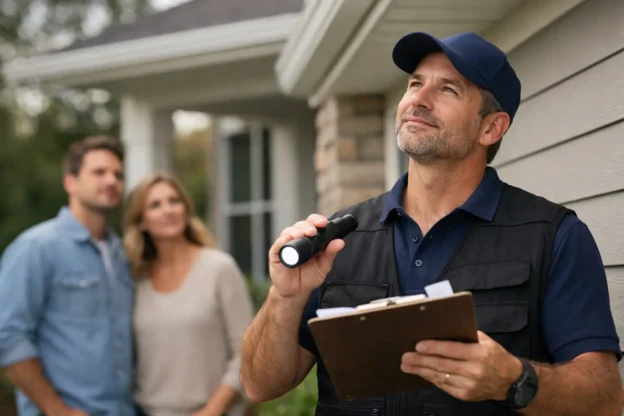
A strong inspection experience is steady and professional from the first call to the final report. Scheduling is straightforward. Expectations are clear. The inspector shows up on time, works methodically, documents what matters, and communicates in a way that gives the client confidence instead of confusion.
That kind of service matters in markets like Fort Myers, Naples, Cape Coral, and surrounding communities, where buyers and owners are often balancing timing, insurance, weather concerns, and significant financial decisions all at once. West Coast Home Inspection has built its reputation around that kind of dependable process – thorough inspections, detailed reporting, advanced tools, and responsive communication that respects the seriousness of the decision.
When you search for a home inspector near me, try to look past the map results and focus on what protects you best. The right inspection is not just another box to check before closing. It is one of the clearest ways to reduce risk, ask better questions, and move forward with confidence.