
West Coast Home Inspection
  • Home
  • About Us
    • About Wes
    • Why WCHI?
  • Services
    • 12 Month Warranty inspections
    • New Construction inspections
    • Pre-listing inspections
    • Residential home inspections
    • Condo and townhouse inspections
    • Manufactured home inspections
    • Multi-unit / duplex inspections
    • Pre-purchase inspections
    • 4-point inspections
    • Wind mitigation inspections
  • Locations
    • Cape Coral, FL
    • Fort Myers, FL
    • Port Charlotte, FL
    • North Fort Myers, FL
    • Punta Gorda, FL
    • Lehigh Acres, FL
    • Estero, FL
    • Fort Myers Beach, FL
    • Punta Gorda, FL
    • Naples, FL
    • Bonita Springs, FL
  • Blog
  • FAQ
  • Contact Us
Call us: (239) 464-3386
West Coast Home Inspection
Free Estimates
  • Home
  • About Us
    • About Wes
    • Why WCHI?
  • Services
    • 12 Month Warranty inspections
    • New Construction inspections
    • Pre-listing inspections
    • Residential home inspections
    • Condo and townhouse inspections
    • Manufactured home inspections
    • Multi-unit / duplex inspections
    • Pre-purchase inspections
    • 4-point inspections
    • Wind mitigation inspections
  • Locations
    • Cape Coral, FL
    • Fort Myers, FL
    • Port Charlotte, FL
    • North Fort Myers, FL
    • Punta Gorda, FL
    • Lehigh Acres, FL
    • Estero, FL
    • Fort Myers Beach, FL
    • Punta Gorda, FL
    • Naples, FL
    • Bonita Springs, FL
  • Blog
  • FAQ
  • Contact Us
Home Inspection: What It Should Really Tell You

Home Inspection: What It Should Really Tell You

A showing can make a property feel right in ten minutes. A home inspection is where the emotion gives way to facts.

That shift matters, especially in Southwest Florida, where heat, humidity, wind, roofing age, drainage, and insurance requirements can all change the real cost of owning a home. A well-done inspection does not exist to derail a sale. It exists to show you what you are buying, what may need attention soon, and where hidden conditions could become expensive if they are missed.

What a home inspection is actually for

Many people approach the process as a pass-or-fail event. That is not how a professional home inspection works. The goal is to provide a clear picture of the property’s visible condition at the time of the inspection so you can make informed decisions.

For a buyer, that may mean deciding whether to move forward, ask for repairs, renegotiate, or simply budget more realistically after closing. For a seller, it can mean finding issues before they become deal problems. For a current homeowner, it may be the most practical way to stay ahead of maintenance and document conditions that matter for insurance or warranty timing.

A good report should answer real questions. Is the roof showing signs of wear beyond what was visible from the ground? Is there evidence of moisture intrusion around windows, ceilings, or exterior transitions? Are the electrical panel, HVAC system, plumbing fixtures, and structural components performing as expected for the home’s age? Those answers carry more value than a long list of minor cosmetic notes.

What a thorough home inspection should include

A reliable inspection is broad in scope, but it should also know where to go deeper. That balance is what separates a routine checklist from a useful evaluation.

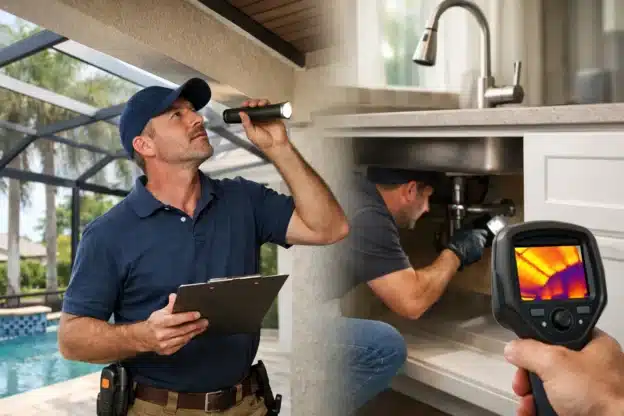
The major systems still matter most. Roof, attic, exterior, structure, plumbing, electrical, HVAC, doors, windows, insulation, and interior components all need attention. But in Florida, the method matters almost as much as the areas inspected. Moisture meters, thermal infrared imaging, and roof-view technology can help identify concerns that are easy to miss during a basic visual review.

That does not mean technology replaces experience. It means the inspector has better tools to confirm what conditions suggest. A thermal image may indicate a temperature difference. An experienced inspector still has to interpret whether it points to moisture, missing insulation, air leakage, or normal variation.

This is also where buyers benefit from strong communication. The best inspections are not just detailed on paper. They are explained clearly. If a GFCI outlet does not respond properly, that is useful to know. If the inspector explains whether it is a simple correction or part of a broader electrical safety concern, that is far more valuable.

Why Florida homes need a closer look

Every region has its own risks. In Southwest Florida, weather and insurance shape the inspection conversation in ways that buyers from other states may not expect.

Roof condition is one example. Two roofs can look similar in listing photos and perform very differently under wind exposure, age, and prior repairs. Exterior drainage is another. A home may appear sound during dry weather but still show clues that water has not been moving away from the structure properly.

Then there is the insurance side. A standard pre-purchase inspection is not the same thing as a 4-point inspection or a wind mitigation inspection, but those services often become relevant in the same transaction. Homeowners and buyers are often balancing property condition with underwriting requirements, premium costs, and documentation deadlines. That is why it helps to work with an inspector who understands how these pieces connect in the real Florida market.

Condo and townhouse purchases can have their own blind spots as well. Buyers sometimes assume fewer exterior responsibilities mean fewer risks. In practice, the interior systems, windows, moisture conditions, HVAC performance, and accessible components still deserve close review. Shared responsibility does not remove the need for due diligence.

The difference between a useful report and a generic one

A report should not leave you guessing about what matters. If every comment carries the same weight, the report becomes harder to use.

What most clients need is context. Which issues are safety concerns? Which are active defects? Which are typical maintenance items for a home of this age? Which conditions deserve evaluation by a licensed contractor before closing because costs or scope may be significant?

Photo documentation helps, but photos alone are not enough. The language in the report should be specific, readable, and direct. If there is evidence of deferred maintenance, the report should say so. If the air conditioning system is cooling but nearing the end of its expected service life, that should be stated plainly. If staining is visible but the source cannot be confirmed during a visual inspection, that distinction matters too.

That kind of reporting supports better decisions. It also supports better conversations between buyers, sellers, agents, and contractors because everyone is working from the same documented observations.

When a home inspection can save you money

People often think about inspections only in terms of purchase negotiations. That is one benefit, but not the only one.

A pre-listing inspection can help a seller avoid surprises that surface after the property goes under contract. Addressing issues early can protect timeline, pricing, and buyer confidence. A 12-month warranty inspection can identify concerns before coverage expires on a newer home. A maintenance-focused inspection can help an owner prioritize repairs before small issues become major ones.

There is also value in knowing what does not need immediate attention. Not every older component is defective. Not every cracked tile points to structural movement. Not every stain means an active leak. A measured, professional inspection can keep you from overspending based on assumptions just as easily as it can warn you about expensive hidden problems.

What buyers and sellers should ask before scheduling

Choosing an inspector should not come down to price alone. In residential real estate, a low-cost inspection can become expensive if it misses conditions that later affect safety, repairs, or insurance.

Ask what type of properties the company inspects regularly. A single-family home, a manufactured home, a duplex, and a condo each present different inspection considerations. Ask what tools are included, how soon the report is delivered, and whether the findings will be explained in a way you can use.

It is also reasonable to ask whether the inspection company is familiar with the concerns common to your area. In places like Fort Myers, Naples, Cape Coral, and surrounding Southwest Florida communities, local experience matters because weather exposure, roof aging, moisture movement, and insurance documentation are not side issues. They are part of the practical reality of ownership.

One company that reflects this standard is West Coast Home Inspection, a veteran-owned provider focused on detailed reporting, strong communication, and inspection methods built for Florida conditions. That matters when the stakes are high and the timeline is tight.

The best inspection is the one that helps you act

A home inspection should leave you better prepared, not more confused. That may mean moving ahead with confidence. It may mean asking harder questions. It may mean planning for repairs with open eyes rather than discovering them after closing.

No inspection can predict every future problem, and no honest inspector should pretend otherwise. Homes are complex, and some defects are hidden behind walls, under flooring, or beyond the limits of a visual inspection. Still, a careful inspection dramatically improves your position because it replaces guesswork with documented observations.

When you are making a decision this important, clarity is not a luxury. It is part of protecting your investment, your timeline, and your peace of mind. A good inspection gives you that clarity, and that is what makes it worth scheduling before the next step becomes harder to change.

This entry was posted in All Home Inspection Posts on June 23, 2026 by .
How to Choose a Home Inspector Near Me

How to Choose a Home Inspector Near Me

A home can look clean, updated, and move-in ready – and still have hidden issues in the roof, attic, electrical system, plumbing, or structure. That is why so many buyers and sellers start with the same search: home inspector near me. The real question is not just who is closest. It is who will give you a clear, thorough picture of the property before you make a major decision.

In Southwest Florida, that decision carries extra weight. Heat, humidity, wind exposure, heavy rain, and insurance requirements all put pressure on a home in ways buyers from other markets may not expect. A quick walkthrough is not enough. You need an inspection that helps you understand present conditions, likely concerns, and what may need attention sooner rather than later.

What a home inspector near me should actually provide

A professional home inspection should do more than point out obvious defects. It should give you reliable information you can use. That means a careful evaluation of the home’s major systems and components, documented findings, photos, and reporting that is easy to understand.

For most residential transactions, the inspection should cover the roof, exterior, grading, structure, attic, insulation, interior rooms, doors and windows, electrical panels and fixtures, plumbing components, HVAC systems, and visible signs of moisture intrusion. In Florida, moisture is not a small detail. A minor stain can be cosmetic, or it can be the first visible sign of a larger issue.

A dependable inspector also explains what the report means. Some findings are routine maintenance items. Some are safety concerns. Others may affect insurance, future repair costs, or negotiation strategy. Those distinctions matter. A long report is not necessarily a useful report unless it is clear, organized, and backed by solid observations.

Why local experience matters in Southwest Florida

When people search for a home inspector near me, they are often thinking about convenience. Local experience is the bigger advantage. Homes in Southwest Florida face conditions that demand a trained eye and practical judgment.

Roof wear looks different here than it does in milder climates. Wind exposure matters. So does the age and condition of exterior materials under intense sun and rain. HVAC performance is critical because cooling is not optional for much of the year. Drainage, moisture intrusion, and signs of previous storm-related damage also deserve close attention.

Insurance-related inspections can be especially relevant in this market. A buyer may need a standard home inspection, but a homeowner may also need a 4-point inspection or wind mitigation inspection for underwriting or premium purposes. Those are different services with different goals. A company that understands both the real estate side and the insurance side can save clients time and confusion.

This is also where technology can make a meaningful difference. Moisture detection tools, thermal infrared cameras, and drone-assisted roof views can help identify issues that are not obvious from the ground or by visual scanning alone. Technology does not replace judgment, but it can support a more complete inspection when used correctly.

How to tell if an inspector is thorough

Thoroughness is one of those words every company uses, but not every company defines the same way. A thorough inspection is systematic. It follows a process. It does not rush through the property, and it does not rely on broad statements that leave the client guessing.

One sign of a thorough inspector is the quality of the report. You want detailed observations, clear photos, and plain language. If a defect is found, the report should show where it is, why it matters, and whether further evaluation or repair is recommended. Vague wording can create more uncertainty instead of less.

Another sign is communication. Good inspectors answer questions before, during, and after the inspection. They explain limitations without hiding behind them. Every inspection has limits because inspectors do not open walls or predict the future, but a professional should still give you a practical understanding of what was observed and what deserves follow-up.

Finally, look at whether the service matches your property type. A condo, a manufactured home, a new construction home, and a duplex do not all raise the same concerns. The right inspector should be comfortable with the type of property you are buying, selling, or maintaining.

The cheapest inspection can cost more later

Price matters. That is true for any buyer or homeowner. But with inspections, the lowest fee is not always the best value.

If an inspector misses a roofing issue, active moisture intrusion, unsafe wiring, or signs of an HVAC problem, the cost of that missed defect can be far higher than the difference between one inspection fee and another. A lower price may reflect a shorter inspection, a thinner report, less experience, or fewer tools used on site. Sometimes it does not – but you should ask enough questions to know what you are paying for.

That does not mean the most expensive option is automatically the best, either. What matters is whether the service is comprehensive, the report is useful, and the inspector has the professionalism to support your decision-making. In a high-stakes transaction, confidence and clarity have real value.

Questions to ask before hiring a home inspector near me

Before you schedule, ask how long the inspection typically takes, what is included in the report, how quickly the report is delivered, and whether photos are included. Ask whether the inspector has experience with your property type and whether services like 4-point or wind mitigation inspections are available if needed.

It is also smart to ask how the inspector handles findings. Will they take time to explain concerns on site? Can they help you understand which issues are maintenance items and which may require prompt attention? Buyers, sellers, and homeowners do not need alarm. They need accurate information delivered clearly.

If you are buying in a coastal or storm-prone area, ask how roofs, exteriors, drainage, and signs of water intrusion are evaluated. If you are purchasing new construction, ask whether the inspection is geared toward identifying incomplete work, installation defects, and items that deserve correction before closing. If you are nearing your builder warranty deadline, ask whether the inspection is designed to catch issues before that coverage expires.

Different goals call for different inspections

Not every client needs the same service. A buyer usually needs a pre-purchase inspection focused on the home’s overall condition and risks. A seller may benefit from a pre-listing inspection to identify issues before a buyer does. That can reduce surprises and make the transaction smoother.

Homeowners may need an inspection for insurance documentation, storm-readiness planning, or peace of mind after years in the property. Investors may need a practical assessment of multiple units, maintenance liabilities, and likely repair exposure. There is no single inspection that fits every scenario.

That is why service range matters. A company that can handle standard residential inspections along with condo, townhouse, manufactured home, duplex, multi-unit, 4-point, wind mitigation, and 12-month warranty inspections is often better positioned to serve clients across different stages of ownership.

What a strong inspection experience feels like

A strong inspection experience is steady and professional from the first call to the final report. Scheduling is straightforward. Expectations are clear. The inspector shows up on time, works methodically, documents what matters, and communicates in a way that gives the client confidence instead of confusion.

That kind of service matters in markets like Fort Myers, Naples, Cape Coral, and surrounding communities, where buyers and owners are often balancing timing, insurance, weather concerns, and significant financial decisions all at once. West Coast Home Inspection has built its reputation around that kind of dependable process – thorough inspections, detailed reporting, advanced tools, and responsive communication that respects the seriousness of the decision.

When you search for a home inspector near me, try to look past the map results and focus on what protects you best. The right inspection is not just another box to check before closing. It is one of the clearest ways to reduce risk, ask better questions, and move forward with confidence.

This entry was posted in All Home Inspection Posts on June 22, 2026 by .
What Fails a 4 Point Inspection?

What Fails a 4 Point Inspection?

A home can look clean, well-kept, and move-in ready – then still raise red flags on a 4-point inspection. That surprises a lot of buyers and homeowners, especially when they first ask what fails a 4 point inspection and assume the answer is only major damage. In reality, many failed reports come down to age, condition, safety concerns, or signs that one of the home’s core systems is no longer reliable enough for an insurance carrier.

A 4-point inspection is narrower than a full home inspection. It focuses on four areas the insurance industry pays close attention to: the roof, electrical system, plumbing system, and HVAC system. The goal is not to grade the whole house. It is to document whether these major systems appear to be in acceptable condition and whether they present an elevated risk of future claims.

What fails a 4 point inspection most often?

Most issues that fail a 4-point inspection fall into one of two categories. Either the system is too old and near the end of its service life, or the inspector finds visible defects that suggest the system is unsafe, leaking, damaged, or poorly maintained.

Insurance carriers are not all identical in how they review a report. One company may be more flexible on an aging water heater or older air conditioner, while another may focus heavily on roof age or specific electrical panel brands. That is why a home does not always “fail” in the same way across every insurer. Still, there are common problems that cause delays, repairs, or denial of coverage.

Roof issues that can fail a 4-point inspection

The roof is one of the biggest concerns because it protects everything beneath it. If a roof is nearing the end of its useful life, insurance companies may see it as a high claim risk even if it is not actively leaking on the day of the inspection.

Common roof-related failures include missing or damaged shingles, cracked tiles, soft spots, sagging areas, exposed underlayment, patchwork repairs, and visible signs of active leaks. Water stains on ceilings can also trigger concern because they suggest the roof may already be allowing moisture intrusion.

Age matters too. In Florida, insurers often pay close attention to older roofs due to weather exposure, heat, and storm risk. A roof might not be collapsed or visibly failing, but if it appears too worn or too old to provide dependable service, that alone can affect insurability.

It also helps to understand the difference between a roof that is imperfect and a roof that is unacceptable for insurance. A few cosmetic blemishes may not be a problem. Evidence of deterioration, storm damage, prior leaking, or very limited remaining life usually is.

When roof age becomes the real issue

A roof can look decent from the ground and still create a problem on a 4-point report. Inspectors document visible condition, but insurance underwriters also care about remaining life expectancy. If the roof appears to have only a few years left, a carrier may request replacement before issuing or renewing coverage.

This is especially common with older shingle roofs and aging flat or low-slope sections. Homes in Southwest Florida can take a beating from sun, heavy rain, and wind, so roofs tend to get extra scrutiny.

Electrical problems that raise immediate concern

Electrical failures tend to be about fire risk. If the system shows signs of unsafe components, improper repairs, or outdated equipment, the report can become a major obstacle.

The most common electrical issues include double-tapped breakers, open junction boxes, exposed wiring, scorched conductors, missing panel covers, and evidence of overheating at the panel or service equipment. Older wiring types can also create problems, especially if they are known to have higher failure rates or insurance concerns.

Certain electrical panels are flagged more often than others because of documented reliability issues. Likewise, aluminum branch wiring may draw underwriting concern depending on the age of the home, whether proper remediation has been completed, and the carrier’s guidelines.

A home does not need to have lights flickering or outlets not working to fail in this area. Sometimes the issue is found at the panel, in the attic, or at visible connection points. That is why a system can seem functional to the homeowner while still being considered a risk.

Panels and wiring insurers often question

This is where details matter. Some older panels and wiring methods are not automatically unsafe in every case, but they are often viewed unfavorably by insurers. If the panel brand has a history of failures, or the wiring type is associated with overheating concerns, the insurance company may ask for repairs, replacement, or additional evaluation.

That does not mean every old electrical system must be fully upgraded. It means the condition, documentation, and insurer’s standards all come into play.

Plumbing defects that can fail a 4-point inspection

Plumbing concerns are usually tied to leaks, water damage, and the likelihood of a pipe failure. Even a small leak under a sink can matter because insurers know that minor leaks often point to bigger maintenance issues.

Common plumbing failures include active leaks, corroded pipes, poor water heater condition, deteriorated supply lines, evidence of past water damage, and materials that insurers may consider high risk. Older polybutylene piping is a frequent example. Some carriers are hesitant to insure homes with it because of its failure history.

Water heaters also receive attention. If a unit is leaking, heavily rusted, improperly installed, or beyond its expected service life, it may be cited. The issue is not just whether hot water works. The issue is whether the equipment appears likely to fail and cause damage.

Small leaks are not always small problems

Homeowners sometimes assume a drip under a bathroom sink or slight corrosion at a shutoff valve will not matter. On a 4-point inspection, visible plumbing leaks matter because they show the system is not fully sound at the time of inspection. In the insurance world, a small leak can turn into a large claim quickly.

HVAC issues that can fail a 4-point inspection

The heating and cooling system is another major area. In Florida, air conditioning is not a luxury item – it is a core system, and insurers want to know whether it is operational and in reasonable condition.

Common HVAC failures include systems that do not cool properly, units with severe rust or deterioration, damaged air handlers, missing components, unsafe wiring at the condenser, and signs that the equipment has not been maintained. If the system is clearly beyond its serviceable life or not functioning as intended, that can affect the report.

In some cases, the issue is not total failure but visible condition. A very old system with heavy corrosion, poor performance, or makeshift repairs may be viewed as unreliable even if it still runs.

What fails a 4 point inspection besides the four systems?

Technically, the inspection is centered on those four systems, but related signs of damage can still matter. For example, interior water stains may support a roof concern. Moisture damage around plumbing can reinforce leak findings. Unsafe conditions around electrical equipment may be noted because they directly affect one of the four required categories.

This is also where experience matters. A disciplined inspector is not looking for ways to sink a transaction. The job is to document the actual condition clearly, with photos and accurate notes, so the homeowner, buyer, and insurer understand what needs attention.

Can you pass after repairs?

Often, yes. A 4-point issue is not always the end of the road. Many homes that initially have problems can move forward after repairs are completed and documented. Replacing a damaged water heater, repairing a roof leak, correcting unsafe wiring, or addressing an HVAC defect can be enough to satisfy the insurer.

Timing matters, though. If you wait until the last minute, even simple repairs can create closing delays or insurance headaches. That is why proactive inspections are useful for sellers and homeowners, not just buyers. Knowing where the trouble spots are gives you time to fix them on your schedule instead of the insurer’s.

How to avoid surprises before the inspection

The best approach is straightforward. Make sure all four systems are accessible, address known leaks and electrical hazards, service aging HVAC equipment, and gather records for major updates if you have them. If the roof, water heater, panel, or plumbing has been replaced, documentation can help support the home’s insurability.

It is also smart to go in with realistic expectations. A 25-year-old roof or heavily corroded air conditioner may become an issue even if it still works. A 4-point inspection is about risk, not just function.

For homeowners in places like Fort Myers, Cape Coral, and Naples, that risk assessment is shaped by Florida’s insurance market and weather exposure. The standard is often tighter than people expect.

A careful 4-point inspection gives you something useful, even when it uncovers a problem. It shows where the real risks are, what may need repair, and what questions to solve before insurance becomes the obstacle instead of the next step.

This entry was posted in All Home Inspection Posts on June 21, 2026 by .
How to Choose a Home Inspection Company Near Me

How to Choose a Home Inspection Company Near Me

You find a house you love, the offer is moving forward, and suddenly the search for a home inspection company near me feels a lot more urgent than it did the day before. That search matters more than most people realize. A home inspection is not just another box to check before closing. It is one of the few chances you have to get a clear, independent look at the condition of the property before major money changes hands.

In Southwest Florida, that decision carries even more weight. Homes here deal with heat, humidity, storms, aging roofs, moisture intrusion, and insurance-related concerns that buyers and owners in other markets may never face. A quick inspection that misses the details can leave you with expensive surprises. A thorough inspection gives you facts, leverage, and a better sense of what comes next.

What a home inspection company near me should actually help you do

A good inspection company is not there to make the decision for you. It is there to reduce uncertainty. That means identifying visible defects, signs of wear, safety concerns, and conditions that may need repair, monitoring, or specialist review.

For a buyer, that can shape negotiations and help you decide whether the home is priced fairly. For a seller, it can help you address issues before listing and avoid delays once a contract is in place. For a homeowner, it can support insurance needs, maintenance planning, or warranty deadlines on newer construction.

That is why the best inspection companies do more than produce a checklist. They explain what they are seeing, document it clearly, and give you a report that is useful after the inspection day is over.

The difference between cheap and thorough

When people compare inspectors, price is often the first thing they notice. That is understandable. Real estate transactions already come with enough costs. But the lowest inspection fee can become the most expensive choice if the inspection is rushed, poorly documented, or missing key systems.

A thorough inspector spends the time to evaluate the home carefully. They look at roofing, structure, electrical, plumbing, HVAC, interior components, exterior features, and areas where moisture or deferred maintenance tend to show up. In Florida, they also understand how wind exposure, roof age, water intrusion, and material condition can affect insurance and future repairs.

This is where technology can make a real difference, but only when it is used with judgment. Moisture meters, thermal infrared cameras, and drone-mounted cameras can help inspectors spot concerns that are not obvious from the ground or to the naked eye. Those tools are valuable, but they are not a substitute for experience. The strongest inspection combines both.

What to look for when choosing an inspection company

A reliable home inspection company near me should give you confidence before the appointment even begins. The way a company communicates often tells you a lot about how the inspection itself will go. If scheduling is difficult, answers are vague, or the process feels rushed, that can be a warning sign.

Look for clear communication, straightforward pricing, and a defined scope of service. Ask what types of inspections they offer and whether they regularly inspect the kind of property you are buying or own. A condo, a manufactured home, a duplex, and a newly built house each come with different concerns. The right company should be comfortable explaining those differences.

It also helps to ask how reporting is handled. A strong report should include detailed observations, photos, and practical notes that help you understand severity and next steps. You should not have to guess whether an item is minor maintenance or a significant defect.

Experience in the local market matters too. In areas like Fort Myers, Naples, Cape Coral, and surrounding Southwest Florida communities, inspectors need to know what regional conditions can do to a property over time. Salt air, seasonal storms, older electrical systems, roof wear, and moisture issues are not abstract concerns here. They are part of the reality of owning a home.

Questions worth asking before you book

You do not need to turn the phone call into an interview, but a few direct questions can tell you a lot. Ask how long the inspection typically takes. Ask whether the report includes photo documentation. Ask whether they inspect roofs with the help of drone imaging when conditions call for it. Ask whether they offer related services like 4-point inspections, wind mitigation inspections, pre-listing inspections, or 12-month warranty inspections.

Most of all, ask how they handle client questions. The best companies do not disappear after sending the report. They are available to explain findings in plain language, which matters when you are making a high-stakes decision on a deadline.

Why Florida homes need a more careful eye

A home inspection in Florida is not exactly the same as a home inspection elsewhere. The climate changes the priorities. Moisture is persistent. Roof performance matters. Drainage matters. HVAC systems work hard for much of the year. Exterior materials can age faster under heat, rain, and sun. Even homes that look clean and well maintained can have hidden conditions developing behind that appearance.

Insurance adds another layer. Depending on the property and policy situation, buyers or owners may also need 4-point or wind mitigation information. Those are not interchangeable with a standard home inspection, but they often become part of the broader picture. A company that understands how these services fit together can save you time and help you plan more effectively.

Newer homes are not exempt either. Many buyers assume new construction means fewer risks, but that is not always how it plays out. A new construction or 12-month warranty inspection can reveal incomplete work, installation defects, or issues that only become visible after the home has been lived in for a period of time.

The report matters as much as the inspection

A home inspection only helps you if the results are usable. That is why report quality matters so much. A vague report filled with generic language does not help a buyer negotiate, a seller prepare, or an owner prioritize repairs.

A detailed report should show what was observed, where it was found, and why it matters. Photos are not just helpful extras. They provide context and reduce confusion, especially when you are discussing repairs with an agent, contractor, seller, or insurance representative.

Turnaround time matters too, but speed should not come at the expense of detail. In a fast-moving transaction, you need the report promptly. You also need it to be accurate, organized, and complete.

One company is not right for every situation

There is no single perfect answer for every property owner. If you are buying an older single-family home, your priorities may be different from someone purchasing a condo or managing a multi-unit property. A seller preparing to list may want a pre-listing inspection to reduce surprises. A homeowner approaching the one-year mark on a newly built home may want a warranty inspection before coverage deadlines pass.

That is why it helps to work with a company that offers a range of residential inspection services and understands how to tailor the inspection to the property and the reason you need it. Thoroughness is not just about finding more issues. It is about focusing on the issues that matter for your situation.

Choosing confidence over guesswork

When people search for a home inspection company near me, what they really want is confidence. They want someone who will show up on time, inspect the property carefully, communicate clearly, and deliver a report they can act on. They want to know the home was evaluated with care, not rushed through as one more appointment on the calendar.

That is especially true when the home decision carries financial pressure, family considerations, or insurance questions. In those moments, trust matters. Precision matters. Local experience matters.

A veteran-owned company like West Coast Home Inspection stands out when it brings those values into every part of the process – disciplined service, detailed reporting, strong communication, and practical reliability shaped by the realities of Southwest Florida homes. That combination helps clients move forward with better information and fewer unanswered questions.

If you are choosing an inspector, do not focus only on who can get on the calendar first or quote the lowest fee. Choose the company that treats the inspection like it matters, because it does.

This entry was posted in All Home Inspection Posts on June 20, 2026 by .
Best Pre Purchase Inspection Company?

Best Pre Purchase Inspection Company?

A polished kitchen and fresh paint can make a home feel move-in ready. What they cannot do is tell you whether the roof is nearing the end of its life, whether moisture is building behind a wall, or whether an electrical panel raises safety concerns. If you are searching for the best pre purchase inspection company, you are really trying to answer a bigger question: who can help you make a confident decision before you sign?

That decision matters even more in Southwest Florida, where heat, humidity, wind, storms, and insurance requirements all shape the true condition of a property. A home inspection is not just a box to check before closing. It is one of the clearest opportunities you have to reduce risk, protect your investment, and understand what you are buying.

What makes the best pre purchase inspection company

The best pre purchase inspection company is not simply the one with the lowest fee or the fastest appointment. It is the company that combines thorough inspection work, clear communication, and reporting that gives you something useful after the appointment is over.

A strong pre-purchase inspection should identify visible issues with major systems and components, explain what those findings mean, and document them in a way that supports your next step. That next step may be moving forward with confidence, requesting repairs, negotiating credits, planning future maintenance, or deciding the property is not the right fit.

Thoroughness is the starting point. A home inspector should evaluate the roof, exterior, structure, attic, insulation, interior, plumbing, electrical, HVAC, doors, windows, and installed appliances, along with signs of moisture intrusion or safety concerns. In Florida, that same inspection needs to be informed by local realities. Wind exposure, aging roofs, drainage, stucco cracks, active leaks, and weather-related wear are not minor details here. They can affect repair costs, insurability, and long-term ownership expenses.

Just as important is how the information is delivered. A buyer needs more than a list of defects. You need a report that is organized, detailed, and easy to understand, with photos that show what the inspector saw and explanations that help you separate routine maintenance from more serious concerns.

Why pre-purchase inspections are different in Florida

Not every market asks the same questions of a home inspector. In Southwest Florida, buyers often need to think beyond general condition and consider how a property may perform under insurance scrutiny and seasonal weather stress.

Roof age and condition matter for obvious reasons, but also because they can affect insurance options. Electrical systems deserve close attention, especially in older homes where outdated components may create both safety and underwriting concerns. Plumbing materials, water intrusion, HVAC performance, and exterior vulnerabilities all deserve a careful look.

This is where technology can make a real difference. Moisture meters can help confirm whether suspicious staining points to an active issue. Thermal infrared imaging can reveal temperature anomalies that suggest hidden moisture, insulation gaps, or electrical hot spots. Drone-assisted roof viewing can improve visibility on areas that are difficult to assess from the ground. Technology does not replace experience, but in the hands of a careful inspector, it can help uncover issues that deserve a closer look.

How to compare inspection companies without guessing

Most buyers start with reviews, and that is reasonable. A pattern of positive feedback about punctuality, professionalism, and detail can tell you a lot. Still, reviews alone do not tell the full story. A company can be friendly and still miss important issues. The better approach is to look at how the company works.

Start with scope. Ask what is included in the inspection and how detailed the report will be. Some inspection services are basic and move quickly through the property. Others are more methodical, documenting findings thoroughly and taking time to explain concerns. When you are making one of the biggest purchases of your life, faster is not always better.

Next, ask how the inspector communicates. Will they walk you through significant findings on site? Will the report include photos and practical explanations? Will you be able to ask follow-up questions after you receive the report? A dependable inspection company understands that the service is not finished when the inspector leaves the driveway.

Experience also matters, but not in a vague way. You want experience with the kinds of homes common in your area, whether that means older single-family properties, newer construction, condos, townhomes, manufactured homes, or duplexes. Each comes with different inspection priorities. A condo, for example, may shift some responsibility to the association, but your unit still needs a careful assessment of interior systems and visible conditions.

Signs you have found a company you can trust

Trust in this industry is built on consistency. A trustworthy inspection company shows up on time, explains the process clearly, and gives you findings without exaggeration or minimization. They do not create panic to sound impressive, and they do not soften real concerns to keep a deal comfortable.

You can usually hear the difference in how they talk about the job. Reliable inspectors are specific. They explain what they observed, why it matters, and what type of next step may be appropriate. They respect the fact that buyers need facts, not sales language.

Another good sign is discipline in documentation. Detailed reporting with photo evidence is more than a professional touch. It creates a record you can use in conversations with your real estate agent, the seller, contractors, or insurance professionals. In a competitive market, a clear report can help you move quickly without feeling rushed.

Veteran-owned companies often stand out here because buyers respond to the values that come with that background – accountability, responsiveness, and attention to detail. Those qualities do not replace technical skill, but they do shape how the service is delivered.

The cheapest inspection is often the most expensive

It is tempting to treat inspection pricing as a simple comparison. If one company charges less, the savings can feel appealing, especially with closing costs already stacking up. But a lower inspection fee can become very expensive if important defects are overlooked or poorly documented.

A strong inspection helps you avoid surprises after closing. Even when it uncovers issues, that is not bad news. It is useful news. A hidden roof problem, moisture intrusion, or an electrical concern is far more manageable before the transaction is final than after the keys are in your hand.

That does not mean the highest-priced company is automatically the best pre purchase inspection company. It means value should be measured by quality, thoroughness, reporting, and reliability, not by fee alone. A careful inspection is a small cost compared with a major repair you did not see coming.

Questions worth asking before you schedule

Before you book, ask a few direct questions. What tools do you use during a pre-purchase inspection? How quickly will I receive the report? Will the report include photos? Can I attend the inspection? Do you inspect the roof in a way that allows for meaningful documentation? Have you worked extensively with homes in this area and the issues common to them?

The answers should be clear and confident. If they are vague, rushed, or overly scripted, that may tell you something about the service experience ahead.

It is also fair to ask what the inspection does not cover. Good companies are transparent about limitations. A home inspection is a visual, non-invasive evaluation. It does not predict every future failure, and it does not open walls or guarantee insurance approval. What it should do is give you a well-supported picture of the property’s current visible condition and highlight where further evaluation may be wise.

Choosing with confidence

There is no single label that makes one company the best for every buyer and every property. The right choice depends on the age of the home, the type of property, the market, and how much clarity you want before closing. But the core standard stays the same: you want an inspection company that is detailed, dependable, responsive, and grounded in the realities of your area.

For buyers in places like Fort Myers, Cape Coral, Naples, Bonita Springs, and nearby communities, local knowledge matters. So does a process built around practical reporting, modern tools, and straightforward communication. That is why many buyers look for a company like West Coast Home Inspection – not for flashy promises, but for careful work they can rely on.

A good home can still have issues. A concerning report does not always mean walk away. Sometimes it means negotiate. Sometimes it means budget. Sometimes it means bring in a specialist before you move forward. The value of the inspection is that you get to make that decision with your eyes open.

When you choose carefully, the inspection becomes more than a transaction step. It becomes one of the few moments in the buying process where you can slow down, get the facts, and protect yourself before the commitment becomes final.

This entry was posted in All Home Inspection Posts on June 19, 2026 by .
How to Schedule Pre Purchase Inspection

How to Schedule Pre Purchase Inspection

You found a home you want, the contract clock is running, and now every day matters. Knowing how to schedule pre purchase inspection the right way can save you time, reduce surprises, and give you better information before you move forward with one of the biggest financial decisions you will make.

A pre-purchase inspection is not just another box to check. It is your chance to get an objective look at the property’s condition, understand what needs immediate attention, and decide whether repairs, credits, or a different course of action make the most sense. In Southwest Florida, where moisture, roofing, wind exposure, HVAC strain, and insurance-related concerns often play a larger role, timing and thoroughness matter even more.

How to Schedule Pre Purchase Inspection Without Delays

The best time to schedule the inspection is immediately after your contract is accepted and your inspection period begins. Waiting too long can leave you with fewer appointment options and less time to review the findings, get repair estimates, or negotiate before your deadlines expire.

Start by checking the inspection window in your purchase agreement. Some buyers assume they have plenty of time, but that period can move quickly once weekends, agent schedules, seller availability, and report review are factored in. A disciplined approach is simple: confirm the deadline first, then book the inspection as early in that window as possible.

If you are buying in a competitive market, it helps to contact the inspection company the same day the contract is signed. A responsive company should be able to explain availability, what the inspection includes, and when you can expect the report. Fast scheduling is useful, but it should not come at the expense of a thorough inspection.

What to Have Ready Before You Book

Scheduling goes more smoothly when you have the right details in front of you. At a minimum, be ready with the property address, the type of home, the approximate square footage, and your preferred inspection window. You should also know whether the property is a single-family home, condo, townhouse, manufactured home, or multi-unit property, because that affects the inspection scope.

It also helps to have your real estate agent’s contact information, the seller’s agent information if needed, and any access instructions already provided. Gated communities, occupied homes, lockbox entry, and properties with detached structures can all affect scheduling.

If you already know of specific concerns, mention them when booking. For example, if the listing notes an older roof, recent water damage, or a long-vacant home, say so upfront. That does not replace the inspection process, but it helps the inspector understand the context before arriving onsite.

Choosing the Right Time in the Contract Period

Many buyers ask whether they should schedule the inspection for the first available appointment or wait until they can attend. In most cases, earlier is better, even if your personal availability is limited. The larger risk is running short on time for decision-making.

That said, attending at least part of the inspection is often valuable. You can ask questions, see key issues in person, and better understand which findings are routine maintenance items and which ones are more significant. If your schedule is tight, ask whether you can meet the inspector near the end for a walkthrough.

The ideal timing usually leaves room for three things after the inspection: reviewing the report carefully, obtaining quotes if significant defects are found, and discussing next steps with your agent. A thorough report delivered quickly is especially helpful here because it gives you time to act while options are still open.

Who Coordinates Access and Confirmation

In many transactions, your agent helps coordinate access with the seller or listing agent. Still, do not assume every detail is automatically handled. When you schedule the inspection, confirm who is responsible for entry, utilities being on, and access to all areas of the home.

A good inspection depends on visibility and functionality. If the attic hatch is blocked, the electrical panel is inaccessible, or the water and power are off, parts of the inspection may be limited. That can delay your decision-making or require a return visit.

Before the appointment, confirm that the inspector will have access to the interior, exterior, garage, attic, electrical panel, HVAC systems, and any detached buildings included in the sale. For condos and townhomes, ask what falls within the inspection scope and what is governed by the association, since that can vary.

What to Ask When Scheduling a Pre Purchase Inspection

If you want to know how to schedule pre purchase inspection with confidence, ask clear questions before you book. The right inspection company should be comfortable answering them directly.

First, ask what is included in the inspection. A standard home inspection should cover the major systems and visible components of the property, but service details can vary. In Florida, it is also reasonable to ask whether the company offers related services such as 4-point inspections or wind mitigation inspections if those will be useful for insurance purposes.

Next, ask when the report will be delivered. Speed matters, but clarity matters just as much. You want a detailed report with photos, practical explanations, and findings organized in a way that helps you make decisions.

You should also ask whether advanced tools are used when needed, such as moisture meters, thermal imaging, or drone cameras for roofing visibility. These tools do not replace a skilled inspector, but they can improve documentation and help identify concerns that deserve closer attention.

Finally, ask whether you are encouraged to attend and whether the inspector will take time to explain major findings. For most buyers, that direct communication is part of the value.

Florida-Specific Factors That Affect Scheduling

In Southwest Florida, inspections often need to account for conditions that may not be top of mind for buyers relocating from other states. Roofing age and condition can affect both insurability and negotiating strategy. Signs of moisture intrusion, past leaks, deferred exterior maintenance, and HVAC performance in high heat and humidity also deserve close attention.

That is why booking early is especially useful in this market. If the inspection reveals concerns tied to roof condition, water entry, or other weather-related issues, you may need follow-up quotes or additional evaluation before your inspection period expires.

This does not mean every home has major hidden defects. It means the local environment puts more stress on certain systems, and your scheduling decisions should leave room for careful review rather than last-minute pressure.

Common Mistakes Buyers Make

The most common mistake is waiting too long to book. The second is choosing based on price alone. A lower inspection fee may seem attractive, but if the inspection is rushed, the report is vague, or communication is weak, the value is limited.

Another mistake is treating the inspection like a pass-fail event. Very few homes are perfect. The goal is not to find a flawless property. The goal is to understand condition, prioritize issues, and make an informed decision. A thorough inspection helps you separate manageable maintenance from defects that change the economics of the purchase.

Buyers also sometimes forget to read the agreement and inspection scope before the appointment. That can create confusion about what is and is not included. Clear expectations upfront make the process smoother for everyone.

After You Schedule, What Happens Next

Once the appointment is confirmed, you should receive the date, time, fee, and any pre-inspection agreement or documentation to review. Sign and return anything required promptly so the appointment stays on track.

From there, plan to attend if possible, even if only for the final portion. Bring a notepad if that helps, but rely on the written report for the full record. During the walkthrough, focus on the larger issues first: roofing, structure, electrical, plumbing, HVAC, moisture concerns, and safety items.

When the report arrives, review it carefully with your agent and decide what action fits the situation. Sometimes that means requesting repairs or a credit. Sometimes it means budgeting for future maintenance and proceeding with confidence. Sometimes it means stepping back from a deal that no longer makes financial sense.

A dependable inspection company will help you understand the findings without turning every issue into alarm. That balance matters. You want accuracy, context, and straight answers.

For buyers who want a disciplined, detailed process, West Coast Home Inspection approaches scheduling and reporting with the same focus as the inspection itself: clear communication, thorough documentation, and practical guidance you can use.

If you are about to book an inspection, do not wait for the perfect moment. Get it on the calendar early, ask good questions, and give yourself enough time to make a clear-headed decision before the next deadline arrives.

This entry was posted in All Home Inspection Posts on June 18, 2026 by .
How to Choose Pre-Purchase Inspections Near Me

How to Choose Pre-Purchase Inspections Near Me

A home can look solid during a walkthrough and still hide issues that change the deal. That is why so many buyers start with the same search – pre-purchase inspections near me – and then realize quickly that not all inspection services are equal.

In Southwest Florida, that difference matters. A property here is not just being judged on finishes and floorplans. It is also dealing with heat, humidity, wind exposure, roofing age, moisture intrusion risk, insurance concerns, and the wear that coastal conditions can cause over time. A pre-purchase inspection should help you see the home clearly before you commit, not leave you with more questions than answers.

What pre-purchase inspections near me should actually include

A true pre-purchase inspection is more than a fast checklist. It is a detailed evaluation of the visible and accessible components of the home so you can understand its current condition and where problems may be developing.

That usually includes the roof, exterior, structure, attic, insulation, interior rooms, doors and windows, plumbing, electrical systems, HVAC equipment, and major built-in appliances. In a Florida market, special attention should also be paid to moisture patterns, signs of water entry, ventilation issues, and any conditions that could affect insurance or future repairs.

The strongest inspections do not stop at what is easy to see from eye level. Technology can make a real difference when it is used correctly. Moisture meters help confirm whether stains or soft materials are active problems or old cosmetic marks. Thermal infrared cameras can reveal temperature differences that suggest hidden moisture, missing insulation, or electrical concerns. Drone-mounted cameras can improve visibility on roofing areas that are steep, high, or otherwise difficult to assess safely.

That does not mean every flagged issue is automatically severe. It means you get a fuller picture. For a buyer, that picture is what turns uncertainty into an informed decision.

Why local experience matters when comparing pre-purchase inspections near me

If you are buying in Southwest Florida, local knowledge is not a bonus feature. It is part of a useful inspection.

Homes in Fort Myers, Cape Coral, Naples, Port Charlotte, and nearby communities face a different set of conditions than homes in drier or colder regions. Roofing materials age differently under intense sun. Exterior components may show accelerated weathering. Moisture management becomes a bigger concern. Wind resistance and related insurance considerations can also influence what matters after closing.

An inspector who understands this market is more likely to notice patterns that are common here and explain them in practical terms. That is especially valuable when you are looking at older homes, waterfront properties, condos, manufactured homes, or houses that have gone through repairs or renovations after major storms.

Local experience also helps with context. Some findings are urgent, some are routine maintenance, and some are common conditions for a property of that age and type. Buyers need that distinction. Without it, an inspection report can feel overwhelming even when the issues are manageable.

The difference between a basic inspection and a thorough one

Most buyers are not looking for the cheapest inspection. They are looking for the inspection that protects them from an expensive surprise.

A basic inspection may identify obvious defects, but it can miss the level of detail that helps you negotiate, budget, or decide whether to move forward. A thorough inspection takes more care in documenting findings, photographing issues clearly, and explaining what the condition means in plain language.

That matters when the report lands in your inbox. If the report is vague, poorly organized, or light on photos, it may not help much during contract negotiations. If it is detailed and easy to understand, it gives you something you can actually use with your agent, seller, or contractors.

Communication matters just as much as the report itself. Buyers should feel comfortable asking questions before the inspection, during the process, and after the report is delivered. A dependable inspector does not disappear once the invoice is paid. They help you understand what was found and what deserves immediate attention.

What buyers should look for before hiring an inspector

When you search for pre-purchase inspections near me, it is easy to compare prices first. That is understandable, but price alone rarely tells you much about the value of the service.

Start with thoroughness. Ask what is included, how long the inspection typically takes, what tools are used, and how detailed the report will be. Ask whether photos are included and how quickly the report is delivered. In a real estate transaction, timing matters, but speed should not come at the cost of quality.

It also helps to ask about the inspector’s experience with your property type. A single-family home, condo, townhouse, duplex, and manufactured home can each come with different concerns. The right inspector should be comfortable adjusting the inspection to fit the structure you are buying.

Professionalism is another strong signal. Clear scheduling, prompt responses, straightforward explanations, and a disciplined process all suggest that the company takes the work seriously. For buyers making one of the largest purchases of their lives, that kind of accountability matters.

How a pre-purchase inspection helps beyond the sale

A good inspection is often viewed only as a transaction step, but its value goes beyond whether you ask for repairs or credits.

First, it helps you prioritize. Very few homes are perfect. Even newer homes can have defects, deferred maintenance, or workmanship concerns. An inspection helps separate cosmetic issues from functional ones so you know what needs attention first.

Second, it supports realistic budgeting. If a roof is nearing the end of its service life or the air conditioning system is aging, you can prepare for those costs instead of being blindsided after move-in. For many buyers, that financial clarity is just as important as any immediate negotiation.

Third, it creates a baseline for ownership. Once the home is yours, the inspection report becomes a practical reference. You can use it to plan maintenance, track repairs, and understand the systems you now own.

That is one reason many buyers want a company known for detailed reporting. The report should still be useful after closing, not just during the inspection period.

Florida-specific issues that deserve closer attention

In this region, certain findings carry more weight because of climate and insurance realities.

Roof condition is one of the biggest examples. Even if a roof is not actively leaking, visible wear, damaged materials, prior patching, or installation concerns can affect future performance and insurability. Buyers need an honest assessment of current condition, not false reassurance.

Moisture is another major concern. Staining, elevated readings, microbial growth conditions, and poor drainage patterns can point to bigger issues if they are not addressed. In humid environments, small water problems can become expensive faster than many buyers expect.

Electrical and HVAC systems also deserve close review, especially in older homes. Electrical components may show age or outdated configurations, while cooling systems in Florida carry a heavy workload for much of the year. Knowing whether a system is operating as intended is essential.

Wind-related features can also matter depending on the property. While a pre-purchase inspection is different from a dedicated wind mitigation inspection, buyers still benefit from understanding visible conditions that may affect durability, safety, and insurance conversations later.

What a strong inspection experience feels like

The best inspection companies bring a sense of order to a stressful purchase. They show up on time, inspect methodically, document carefully, and communicate clearly. They do not use confusing language to sound impressive. They explain conditions so a buyer can make practical decisions.

That style of service is especially important when emotions are already high. Buyers may be under contract deadlines, balancing lender requirements, coordinating with agents, and trying not to lose a property they want. A steady, professional inspection process helps reduce that pressure.

For that reason, many buyers prefer working with a company that is known for discipline, responsiveness, and attention to detail. West Coast Home Inspection reflects that approach by focusing on comprehensive inspections, clear reporting, and the kind of reliability clients want when the stakes are high.

The right inspection is the one that gives you clarity

A pre-purchase inspection is not there to kill a deal or push one through. It is there to show you what you are buying.

Sometimes the report confirms that the home is a solid purchase with a few manageable repairs. Sometimes it uncovers issues that justify renegotiation. Sometimes it tells you to slow down and reconsider. All three outcomes are useful if they are based on a careful, honest inspection.

When you search for pre-purchase inspections near me, the goal is not just to find availability. It is to find an inspector who treats your decision with the seriousness it deserves. The right inspection gives you facts, context, and confidence so you can move forward with your eyes open.

This entry was posted in All Home Inspection Posts on June 17, 2026 by .
Pre-Purchase Inspections: What Buyers Need

Pre-Purchase Inspections: What Buyers Need

You can love a house in ten minutes and still miss the problems that matter most. A clean showing, fresh paint, and a strong first impression do not tell you what is happening in the attic, around the roof penetrations, behind the electrical panel cover, or near the air handler. That is where pre-purchase inspections earn their value. They give buyers a clearer picture of the property before closing, when there is still time to ask questions, negotiate repairs, or decide whether the risk makes sense.

For buyers in Southwest Florida, that clarity matters even more. Heat, humidity, wind exposure, heavy rain, and insurance requirements can turn a minor-looking issue into an expensive one. A home may look well maintained on the surface but still have moisture intrusion, aging components, unsafe wiring, roof concerns, or signs of deferred maintenance that deserve attention before you move forward.

What pre-purchase inspections actually do

A pre-purchase inspection is not a pass-or-fail test, and it is not the same thing as an appraisal or municipal code review. It is a professional evaluation of the home’s visible and accessible systems and components at the time of the inspection. The goal is straightforward – identify material defects, safety concerns, and maintenance issues so the buyer can make an informed decision.

That includes the roof, exterior, structure, grading and drainage where visible, electrical system, plumbing, HVAC, insulation, interior components, windows and doors, and major appliances that are part of the sale. In Florida, buyers are often especially concerned with roof condition, moisture entry, cooling performance, and signs of damage from weather exposure. Those are not side notes. They can affect insurability, near-term repair costs, and how comfortable the home will be to own.

A good inspection report also helps separate cosmetic issues from meaningful ones. Every lived-in home has imperfections. The value is not in creating alarm over every nail pop or sticky door. The value is in identifying what is normal wear, what needs maintenance, and what deserves immediate attention.

Why pre-purchase inspections matter before you negotiate

Most buyers already understand that an inspection can uncover defects. What is often underestimated is how much leverage comes from having those findings documented clearly. When an issue is supported by photos, concise explanations, and a detailed report, it becomes easier to have a productive conversation with the seller.

Sometimes that leads to repairs before closing. Sometimes it leads to a price reduction or seller credit. In other cases, the best outcome is simply knowing what you are taking on so you can budget realistically. If the water heater is at the end of its service life, the roof shows wear, and the air conditioning system is cooling but aging, those details may not kill the deal. They may just change how you structure it.

That is the practical value of inspection findings. They help buyers move from emotion to facts.

What buyers should expect during pre-purchase inspections

A professional inspection should be thorough, organized, and easy to understand. The inspector is there to evaluate the home, document concerns, and communicate clearly about what was observed. Buyers should expect a detailed report with photo documentation, plain-language findings, and enough context to understand why an issue matters.

Advanced tools can make a meaningful difference here. Moisture detection equipment can help identify areas where leaks or elevated moisture may be present even when obvious staining is limited. Thermal infrared imaging can reveal temperature anomalies that suggest missing insulation, active moisture patterns, or HVAC performance concerns. Drone-mounted cameras can improve roof documentation, especially where visibility is limited or roof access conditions are not ideal. Used correctly, these tools support a more complete inspection rather than replacing sound judgment.

Communication matters just as much as the equipment. A rushed report filled with technical jargon does not help a buyer making a major financial decision. What helps is an inspector who explains findings in a direct, professional way and makes it clear which items are significant, which are routine maintenance, and which may need further evaluation by a licensed specialist.

Common issues buyers overlook

Some of the most expensive problems are not dramatic during a showing. They are subtle. A small area of staining near a window may point to an ongoing moisture issue. A newer-looking interior may distract from an older electrical panel. A cold house during a thirty-minute walkthrough does not confirm the HVAC system is performing properly over time.

In Southwest Florida, moisture intrusion is one of the biggest concerns because it can lead to damaged materials, mold-like conditions, and hidden deterioration. Roof issues are another major factor. Even when a roof is not actively leaking, age, installation defects, flashing problems, and visible wear can affect future repair costs and insurance conversations.

Drainage is also easy to overlook. If water does not move away from the home properly, that can contribute to foundation concerns, exterior wear, and moisture around the structure. Buyers may also miss signs of amateur repairs, aging plumbing components, damaged exterior sealants, or safety issues at the electrical system.

None of these automatically means a home is a bad purchase. It depends on the extent of the issue, the overall condition of the property, and the buyer’s budget and risk tolerance. The inspection helps define that reality.

Older homes, newer homes, and the trade-offs

Buyers sometimes assume older homes are risky and newer homes are trouble-free. Neither assumption holds up very well.

Older homes may have stronger construction in some respects, mature neighborhoods, and updates completed over time. They may also have older wiring methods, aging plumbing, patched roofs, or components nearing the end of service life. Newer homes often offer better energy efficiency and fewer immediate replacements, but they can still have installation defects, incomplete finishes, drainage problems, or issues that were never corrected after construction.

That is one reason pre-purchase inspections are just as valuable on newer homes as they are on older ones. New does not mean perfect. It only changes the type of issues you are likely to find.

How to use the inspection report wisely

The best use of an inspection report is not to demand that every minor issue be fixed. That approach usually creates friction without improving the transaction much. A better approach is to focus on defects that affect safety, function, water intrusion, major systems, or significant upcoming cost.

Buyers should review the report carefully and talk through the findings with their real estate agent and inspector. Some items may call for further evaluation by a roofer, electrician, HVAC contractor, or plumber. That extra step can be worthwhile when the issue is substantial or the repair cost could be meaningful.

It is also smart to think beyond closing day. A solid inspection report can become the foundation of your maintenance plan. Even if you move forward without asking for repairs, you now know which items to monitor and which systems may need attention first.

Choosing an inspector for pre-purchase inspections

Not all inspections are delivered at the same standard. Buyers should look for an inspector known for thoroughness, strong communication, and detailed reporting. Credentials matter, but so does consistency. You want someone who takes the time to inspect carefully, explains what they find without exaggeration, and provides a report you can actually use.

Local experience matters too. In Florida, inspectors need to understand the conditions that commonly affect homes here, from wind-related roof concerns to moisture issues, cooling system demands, and the practical realities tied to insurance. A disciplined inspection process, backed by tools that support better documentation, can make a real difference when the stakes are high.

That is why many buyers choose a company like West Coast Home Inspection. Thorough reporting, responsive communication, and practical reliability are not marketing extras. They are what help buyers make confident decisions.

A smart decision is not always a perfect house

A pre-purchase inspection does not exist to talk you out of buying a home. It exists to show you the home more clearly. Sometimes the result is reassurance. Sometimes it is a negotiation tool. Sometimes it is a warning that saves you from stepping into a costly problem without realizing it.

The right house is rarely flawless. What matters is knowing what you are buying, what it may need next, and whether that fits your budget and comfort level. When you have that information before closing, you are not just buying a property. You are making the decision with your eyes open.

This entry was posted in All Home Inspection Posts on June 16, 2026 by .
Residential Home Inspections Near Me

Residential Home Inspections Near Me

When you search for residential home inspections near me, you are usually on a deadline. Maybe you are under contract, getting ready to list, closing out a builder warranty, or trying to satisfy an insurance requirement before the next storm season. In Southwest Florida, that search carries real weight because a home here has to stand up to heat, moisture, wind, aging systems, and insurance scrutiny.

A good inspection is not just a box to check. It is a clear look at the property’s condition, the risks you may be taking on, and the repairs or maintenance that deserve your attention now instead of later. That matters whether you are buying a single-family home in Fort Myers, selling a condo in Naples, or reviewing an older property in Cape Coral.

What residential home inspections near me should actually include

Not all inspection services are equal, and that becomes obvious once the report is delivered. A residential inspection should cover the home’s major systems and visible components in a way that is organized, detailed, and useful. That means the roof, exterior, structure, electrical, plumbing, HVAC, interior, insulation, ventilation, windows, doors, and built-in appliances all need careful attention.

In Florida, the details matter even more. Moisture intrusion is common, and not all signs of water damage are easy to spot with the naked eye. Roofing materials can wear differently under constant sun and heavy rain. Electrical panels may raise age or safety concerns. HVAC systems work hard year-round, which can shorten service life. An inspector who understands regional conditions will approach the property with those realities in mind, not with a generic checklist.

Advanced tools can make a meaningful difference here. Moisture meters help confirm whether a stain is active or old. Thermal infrared cameras can reveal temperature anomalies that may point to hidden leaks, missing insulation, or electrical issues. Drone-mounted cameras are especially useful for roof areas that are difficult to access safely. These tools do not replace experience, but they often help inspectors find issues that deserve a closer look.

Why local experience matters more than convenience

The phrase residential home inspections near me often sounds like a search for whoever is closest and available tomorrow. Fast scheduling matters, but local knowledge matters more. A nearby inspector who understands Southwest Florida homes can often identify patterns that a less experienced provider may miss.

For example, older homes may have outdated electrical components or plumbing materials that affect safety, insurability, or future repair costs. Newer homes can still have installation defects, especially if systems were rushed during construction. Condos and townhouses create a different inspection scope than detached homes, and manufactured homes have their own construction and support considerations. Multi-unit properties bring another level of complexity because repeated issues in one area can point to broader concerns across the structure.

This is where a thorough, community-based inspection company stands apart. Local experience shapes how the inspection is performed, what gets flagged, and how findings are explained. It also helps clients understand which issues are common maintenance items and which ones should affect negotiation, budgeting, or insurance decisions.

The real value of an inspection depends on your goal

The right inspection is not always the same inspection. It depends on why you need it.

If you are buying a home, the inspection gives you leverage and clarity. You need to know what is functioning properly, what is nearing the end of its service life, and what defects could become expensive soon after closing. Some findings may justify repair requests or credits. Others may simply help you plan ownership costs more realistically.

If you are selling, a pre-listing inspection can help you avoid surprises during escrow. Sellers who understand the property’s condition ahead of time can address issues proactively, price the home more accurately, and reduce the chance of a delayed or renegotiated transaction.

If you own a newer home, a 12-month warranty inspection can be especially worthwhile. Many builder warranties expire before owners realize what is no longer performing as expected. Catching roof, drainage, HVAC, drywall, or moisture-related issues before that deadline can save a substantial amount of money.

If your concern is insurance, you may need more than a standard home inspection. A 4-point inspection focuses on the roof, electrical, plumbing, and HVAC systems. A wind mitigation inspection documents features that may improve insurability or qualify you for discounts. In Florida, those are not minor add-ons. They can affect whether a policy is approved, what it costs, and what documentation is required.

How to judge quality when comparing inspectors

Most people do not hire inspectors often enough to know what separates an average service from a dependable one. Price gets attention, but the cheapest option can easily become the most expensive if major issues are overlooked or poorly documented.

A strong inspection company communicates clearly before, during, and after the appointment. You should know what is included, when the inspection will take place, and when the report will be delivered. The report itself should be detailed enough to support decision-making, not just filled with vague statements and generic disclaimers.

Photo documentation matters. It shows exactly what the inspector observed and gives context that is useful for buyers, sellers, agents, contractors, and insurance discussions. Clear writing matters too. A good report explains the issue, why it matters, and what type of next step may be appropriate.

Responsiveness is another sign of quality. Real estate timelines move quickly, and homeowners dealing with insurance deadlines do not have weeks to wait. A dependable inspection service respects the urgency without rushing the work.

That balance of thoroughness and accountability is why many clients look for a company with a disciplined service approach. Veteran-owned businesses often earn trust because they are associated with precision, follow-through, and a strong sense of responsibility. Those qualities matter when someone is evaluating one of the largest purchases they will ever make.

What an inspection can and cannot tell you

A professional inspection gives you a strong picture of the home’s visible condition on the day of the inspection. It does not predict every future failure, and it does not open walls or move personal belongings to search for hidden defects. That is not a weakness in the service. It is simply the scope of a visual inspection.

Still, a thorough inspection can reveal a great deal. Small cracks may point to settlement patterns. Discoloration may suggest prior or active moisture issues. Corrosion, loose connections, or improper repairs may indicate deeper concerns with maintenance history. A strong inspector does not just list defects. They recognize patterns and explain where further evaluation may be warranted.

That is also where honesty matters. Some issues are serious. Others are common and manageable. If every finding is presented as a crisis, the report loses value. If significant concerns are minimized, the client loses protection. The best inspectors communicate with balance and precision.

Residential home inspections near me for Florida buyers and owners

For Florida property owners, weather and insurance pressures shape the inspection process in ways buyers from other states may not expect. Roof age, wind-resistant features, drainage performance, and signs of water intrusion can all carry more weight here. The same is true for older HVAC systems and electrical components that may raise insurer concerns.

That is why residential home inspections near me should never be treated as a simple online search for the lowest price or fastest opening. The better question is whether the inspector understands the homes in your area, uses the right tools, documents findings clearly, and gives you information you can act on with confidence.

In markets like Bonita Springs, Estero, Punta Gorda, and Port Charlotte, property types vary widely. Waterfront exposure, seasonal vacancy, condo ownership structures, and aging building systems all create different inspection priorities. A one-size-fits-all approach does not serve buyers or owners well.

Companies like West Coast Home Inspection build trust by focusing on detailed reporting, strong communication, and practical reliability. That matters because the report is not the end product. The real product is confidence – confidence to move forward, negotiate, repair, insure, or walk away when the facts call for it.

If you are searching now, look for an inspector who treats your timeline with urgency and your decision with the seriousness it deserves. A careful inspection will not make the decision for you, but it will make that decision far better informed.

This entry was posted in All Home Inspection Posts on June 15, 2026 by .
Residential Property Inspections Explained

Residential Property Inspections Explained

A house can look clean, freshly painted, and move-in ready, yet still have hidden moisture, roof wear, electrical concerns, or HVAC issues waiting behind the surface. That is why residential property inspections matter so much in Southwest Florida. When you are buying, selling, building, or maintaining a home, a thorough inspection gives you a clearer picture of the property before a small issue turns into an expensive surprise.

For most people, this is not a minor decision. It is a major financial commitment tied to your safety, your insurance, and your long-term maintenance costs. A solid inspection is less about checking a box and more about reducing uncertainty.

What residential property inspections actually cover

At the most practical level, residential property inspections evaluate the visible and accessible components of a home. That usually includes the roof, exterior, structure, attic, insulation, plumbing, electrical system, HVAC, interior rooms, windows, doors, and major built-in appliances. The goal is to identify material defects, safety concerns, and signs of deferred maintenance.

A good inspection also pays attention to how systems work together. A roof issue can lead to moisture intrusion. Poor drainage can affect the foundation. An aging electrical panel may raise both safety and insurance concerns. The report should not leave you guessing about what was found or why it matters.

In Florida, that scope often needs to go a step further. Weather exposure, wind risk, high humidity, and heavy rain can accelerate wear in ways buyers from other states may not expect. Signs of active leaks, past water intrusion, exterior deterioration, and ventilation problems deserve careful attention because they can affect both livability and insurability.

Why residential property inspections matter before closing

If you are buying a home, timing matters. Once you close, the responsibility for repairs usually becomes yours. An inspection gives you a chance to understand the condition of the property while you still have options.

That does not always mean walking away. In many cases, the inspection helps buyers negotiate repairs, request credits, plan future maintenance, or simply move forward with confidence because they know what they are getting. Even when the home is in generally good shape, the inspection can reveal items that need budgeting in the next year or two, such as an aging water heater or a roof nearing the end of its service life.

This is especially important with older homes, waterfront properties, and houses that have been vacant for a period of time. Those properties can have very different risk profiles. Cosmetic updates may hide wear rather than resolve it.

Sellers benefit from inspections too

Sellers sometimes assume inspections only serve the buyer, but that is not the full picture. A pre-listing inspection can help a seller identify issues early, make repairs on their own timeline, and avoid last-minute negotiations that disrupt a deal.

It can also make listing preparation more straightforward. When a seller understands the actual condition of the property, there is less scrambling after a buyer’s inspection report arrives. Some issues are worth fixing before the home goes on the market. Others may be better addressed through price strategy and clear disclosure. The right path depends on the home, the market, and the severity of the findings.

For sellers who want fewer surprises and cleaner negotiations, this can be a practical move rather than an extra step.

Not every inspection serves the same purpose

One common point of confusion is assuming every inspection is the same. It is not. Different situations call for different inspection services, and in Florida that distinction matters.

A pre-purchase inspection is broad and focused on the overall condition of the home. A pre-listing inspection serves sellers who want to get ahead of repair questions. A new construction inspection helps catch problems before final walkthrough or before the builder warranty period ends. A 12-month warranty inspection is especially useful because many issues become more visible after a home has been lived in for a year.

Then there are inspections driven by insurance requirements. A 4-point inspection focuses on the roof, electrical, plumbing, and HVAC systems. A wind mitigation inspection documents features that may improve a home’s resistance to wind damage and can sometimes help with insurance discounts. These are not substitutes for a full home inspection, but they can be critical in the Florida market.

Condo, townhouse, manufactured home, duplex, and multi-unit inspections also come with their own considerations. The systems, responsibilities, and access points can differ, so the inspection approach should match the property type.

What makes a thorough inspection different

Not all inspection reports deliver the same value. Some are brief and generic. Others provide clear photo documentation, specific observations, and practical explanations that help you make decisions.

A thorough inspector does more than point out flaws. They help you understand severity, location, likely implications, and next steps. That distinction matters when you are reviewing findings under a contract deadline or trying to prioritize repairs after move-in.

Technology can improve that process when it is used correctly. Moisture meters can help confirm suspicious staining or elevated moisture levels. Thermal infrared cameras can reveal temperature differences that may point to hidden moisture, insulation gaps, or HVAC performance concerns. Drone-mounted cameras can improve visibility on roofs and other hard-to-reach areas. These tools do not replace experience, but they can strengthen the inspection when combined with trained judgment.

Just as important is communication. Clients should not be left staring at a report full of technical language with no context. The best inspections are detailed, but also understandable.

Florida homes require a Florida mindset

Residential property inspections in Southwest Florida need to account for local realities. Heat, humidity, storms, salt air, and insurance pressures all influence how a property should be evaluated.

For example, roof condition is not just a maintenance issue here. It can affect insurability, ongoing costs, and the speed of a real estate transaction. The same is true for electrical panels, plumbing materials, and HVAC performance. A home can feel comfortable during a showing but still have system-age concerns that matter to an insurer or future buyer.

This is one reason local experience matters. A report should reflect how homes in places like Fort Myers, Cape Coral, Naples, and surrounding communities actually perform under Florida conditions. That means paying close attention to moisture, exterior wear, attic ventilation, drainage patterns, and wind-related features, not just the obvious cosmetic condition.

What clients should expect from the process

The inspection process should be straightforward. Once scheduled, the inspector conducts a visual examination of the home’s accessible systems and components, documents findings, takes photos, and prepares a report. Many clients attend at least part of the inspection, which can be helpful if they want to ask questions in real time.

The report should arrive promptly and be organized in a way that supports decision-making. Buyers often need it quickly for negotiations. Sellers need it to plan repairs. Homeowners may need it for maintenance planning or insurance documentation.

It is also worth remembering what an inspection is not. It is not a code compliance certification, a warranty, or a prediction of every future failure. A home inspection is a professional snapshot of the property’s visible condition at the time of the inspection. That limitation does not reduce its value, but it does mean expectations should be realistic.

Choosing the right inspection company

When comparing inspection companies, price alone rarely tells the full story. The better questions are whether the inspection will be thorough, whether the report will be clear, and whether the inspector will communicate in a way that helps you act on the information.

That is where professionalism shows. A dependable company explains the scope, arrives prepared, uses the right tools, and delivers findings without hedging or unnecessary alarm. The tone should be steady and practical. You need facts, not guesswork.

For many clients, trust matters just as much as technical skill. If you are relying on an inspector during a major purchase or sale, accountability matters. That is one reason many Southwest Florida clients look for a company with a reputation for discipline, responsiveness, and detailed reporting, such as West Coast Home Inspection.

A home does not need to be perfect to be a good purchase, and an inspection report does not need to be alarming to be useful. What matters is knowing where the risks are, what needs attention now, and what can be planned for later. When you have that information in hand, decisions get clearer and the next step feels a lot more manageable.

This entry was posted in All Home Inspection Posts on June 14, 2026 by .

Post navigation

← Older posts

Recent Posts

  • Home Inspection: What It Should Really Tell You
  • How to Choose a Home Inspector Near Me
  • What Fails a 4 Point Inspection?
  • How to Choose a Home Inspection Company Near Me
  • Best Pre Purchase Inspection Company?

Categories

  • All Home Inspection Posts
  • Home Inspection Information

Schedule A Home Inspection


    • Home
    • About Us
    • Services
    • Privacy Policy
    • Blog
    • Contact Us
    ©2026 West Coast Home Inspection. All rights reserved.
    Manage Consent
    To provide the best experiences, we use technologies like cookies to store and/or access device information. Consenting to these technologies will allow us to process data such as browsing behavior or unique IDs on this site. Not consenting or withdrawing consent, may adversely affect certain features and functions.
    Functional Always active
    The technical storage or access is strictly necessary for the legitimate purpose of enabling the use of a specific service explicitly requested by the subscriber or user, or for the sole purpose of carrying out the transmission of a communication over an electronic communications network.
    Preferences
    The technical storage or access is necessary for the legitimate purpose of storing preferences that are not requested by the subscriber or user.
    Statistics
    The technical storage or access that is used exclusively for statistical purposes. The technical storage or access that is used exclusively for anonymous statistical purposes. Without a subpoena, voluntary compliance on the part of your Internet Service Provider, or additional records from a third party, information stored or retrieved for this purpose alone cannot usually be used to identify you.
    Marketing
    The technical storage or access is required to create user profiles to send advertising, or to track the user on a website or across several websites for similar marketing purposes.
    • Manage options
    • Manage services
    • Manage {vendor_count} vendors
    • Read more about these purposes
    View preferences
    • {title}
    • {title}
    • {title}