


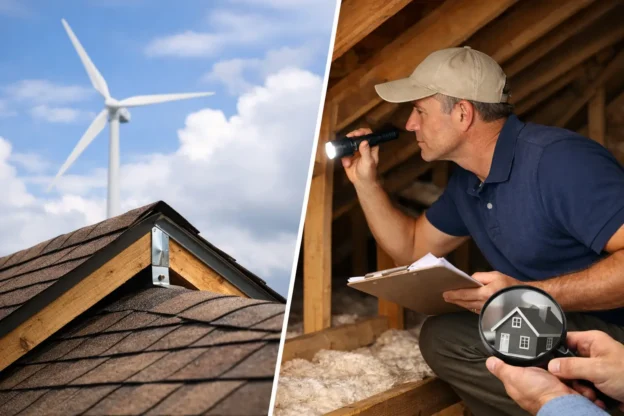
If you are buying a home in Florida or reviewing insurance paperwork on the one you already own, the question usually comes up fast: wind mitigation vs home inspection – which one do you actually need? The short answer is that they serve different purposes. One is mainly about insurance and storm resistance. The other is about the overall condition of the property. Confusing them can lead to missed issues, delayed paperwork, or the wrong expectations going into a sale.
In Southwest Florida, that distinction matters more than it does in many other markets. Buyers are thinking about roof age, openings protection, and hidden moisture. Sellers want fewer surprises before listing. Homeowners are trying to satisfy insurance requirements without paying for services that do not solve the right problem. Knowing what each inspection is designed to do helps you make a smarter decision and avoid gaps.
Wind mitigation vs home inspection: the core difference
A home inspection is a broad evaluation of a property’s visible and readily accessible systems and components. It is designed to help a buyer, seller, or owner understand the home’s current condition. That usually includes the roof, structure, electrical, plumbing, HVAC, doors, windows, attic, insulation, and interior spaces. The goal is practical: identify defects, maintenance concerns, and items that may need repair or further evaluation.
A wind mitigation inspection is much narrower. It focuses on specific construction features that affect how well a home may perform in high-wind events and how an insurer may rate that risk. In Florida, this often includes the age and shape of the roof, roof deck attachment, roof-to-wall connections, secondary water resistance, and opening protection such as impact-rated windows or shutters.
So if you are choosing between wind mitigation vs home inspection, the real answer is not that one replaces the other. They answer different questions. A home inspection asks, “What condition is this house in?” A wind mitigation inspection asks, “What storm-resistant features does this house have that may affect insurance?”
What a home inspection is meant to tell you
A standard home inspection is about risk reduction in a real estate decision. If you are buying, it gives you a clearer picture of what you are stepping into before the closing table. If you are selling, it helps you spot issues before a buyer does. If you already own the home, it can help you prioritize repairs and maintenance.
That broader scope is why a home inspection often uncovers issues that have nothing to do with wind resistance. An inspector may find an aging water heater, a panel with safety concerns, signs of moisture intrusion around a window, a struggling air conditioning system, or evidence of a roof leak inside the attic. Those findings matter because they affect cost, safety, comfort, and negotiating leverage.
What a home inspection does not do is assign insurance credits for wind-resistant features. Even if the inspector notes that shutters are present or the roof appears newer, that does not make the report a substitute for a formal wind mitigation inspection.
What a wind mitigation inspection is meant to tell you
A wind mitigation inspection is much more targeted. It documents the construction details insurers care about when evaluating wind risk. In Florida, this can directly affect premiums. For some homeowners, a qualified wind mitigation report may help identify discounts or credits. For others, it provides the documentation an insurance carrier wants when underwriting or renewing a policy.
This inspection is not trying to tell you whether the entire house is in good shape. It is not a full condition assessment. A home could perform well on a wind mitigation report and still have plumbing leaks, electrical defects, poor drainage, or deferred maintenance in other systems.
That is where people get tripped up. They hear that a wind mitigation inspection involves the roof and windows and assume it covers most of the same ground as a home inspection. It does not. It may inspect certain elements in detail for a very specific purpose, but it is not designed to give you the full picture of the property.
Why Florida homeowners often need both
In Southwest Florida, homes are exposed to heat, humidity, heavy rain, and serious storm risk. That creates two separate concerns. The first is the house’s overall condition. The second is how the house is documented for insurance purposes.
A buyer may need a home inspection to understand whether the property has hidden defects before moving forward. That same buyer, or the new owner after closing, may also need a wind mitigation inspection to support insurance underwriting. A seller may order a pre-listing inspection to get ahead of repair negotiations, while also gathering a current wind mitigation report to make the insurance side of the conversation easier for prospective buyers.
For existing homeowners, the need is often insurance-driven. If the carrier requests updated information about the roof, attachments, or opening protection, a wind mitigation inspection may be the right service. But if the concern is whether the home has developing issues, deferred maintenance, or moisture problems after a storm season, that points back to a comprehensive home inspection.
Wind mitigation vs home inspection for buyers
If you are under contract on a home, the home inspection is the more critical first step. It gives you a decision-making tool. You can use the findings to negotiate repairs, request credits, budget for future work, or decide whether the deal still makes sense.
A wind mitigation inspection can still be valuable during that process, especially in Florida, but it serves a different function. It may help you understand what insurance documentation exists or what storm-related features the home has. That can affect your future premium, but it should not be mistaken for a replacement for a full inspection.
For buyers, the biggest mistake is trying to save money by skipping the broader inspection. A narrow report that helps with insurance will not alert you to many of the issues that can become expensive after closing.
Wind mitigation vs home inspection for sellers
Sellers benefit from clarity. A pre-listing home inspection can reveal issues before a buyer’s inspector finds them, which gives you more control over timing, repairs, and pricing strategy. It can also make negotiations more straightforward because fewer surprises show up late in the transaction.
A wind mitigation inspection can support the insurance side of the sale, especially if your home has features that may be favorable to a buyer’s insurer. That may be useful information, but it is not the same as showing that the home is well maintained overall.
If you are preparing to list, the right choice depends on what problem you are trying to solve. If the goal is to uncover condition issues, start with the home inspection. If the goal is to document wind-resistant features for insurance, add the wind mitigation inspection.
When one inspection is enough – and when it is not
There are situations where you may only need one service.
If you are a current homeowner and your insurance company is asking specifically for wind-related documentation, a wind mitigation inspection may be enough. If you are not buying or selling and you do not have broader concerns about the home’s condition, a full home inspection may not be necessary at that moment.
If you are buying a property, though, relying on wind mitigation alone is usually not enough. The same is true if you are concerned about maintenance issues, interior leaks, aging systems, or visible signs that something may be wrong.
It depends on the decision in front of you. Insurance questions call for one kind of report. Property condition questions call for another.
What to expect from the inspection process
A dependable inspection process should be clear, well documented, and practical. For a home inspection, that means a detailed report with photos, observations, and recommendations that help you understand what matters now versus what should be monitored over time. For a wind mitigation inspection, it means accurate documentation of the specific features insurers are asking about.
This is where experience matters. In Florida homes, details like roof geometry, fastening methods, attic access, moisture intrusion, and storm-protection features can have real financial consequences. An inspector who understands both the structure of the home and the local insurance landscape can help you avoid confusion and wasted time.
That is also why many property owners prefer working with one company that can clearly explain the difference and provide the right service based on the situation. West Coast Home Inspection serves clients across Southwest Florida with that practical approach – thorough reporting, strong communication, and inspections built around the realities homeowners face here.
The better question is not simply wind mitigation vs home inspection. It is, “What information do I need to make the next decision with confidence?” Once you answer that, the right inspection usually becomes obvious. If you are protecting a purchase, understanding a home’s condition comes first. If you are dealing with insurance, wind mitigation may be the missing piece. And if both issues are on the table, getting both can save you from a much more expensive surprise later.