

A Fort Myers home can look move-in ready at first glance and still have issues that affect its safety, maintenance costs, insurance options, or negotiating value. When people search for top-rated home inspectors in Fort Myers, they are usually not looking for the fastest appointment alone. They want a professional who will take the time to look closely, explain the findings clearly, and provide a report they can use with confidence.
A home inspection is a practical decision point. For buyers, it can reveal the condition of major systems before the end of the inspection period. For sellers, it can reduce last-minute surprises after a buyer’s inspection. For current owners, it can provide a clearer maintenance plan, support insurance-related documentation, or help evaluate a home nearing the end of a builder warranty.
What Top-Rated Home Inspectors in Fort Myers Should Deliver
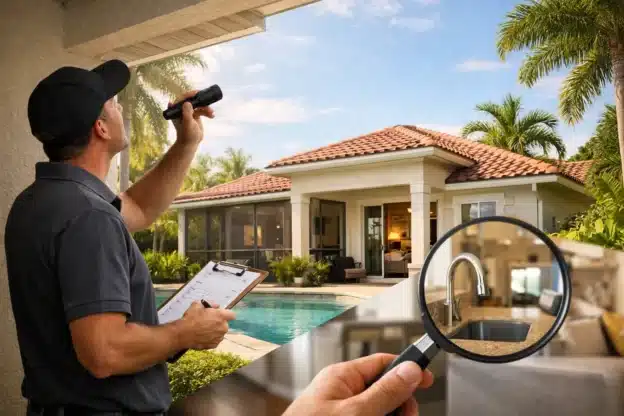
A strong inspection begins with a disciplined process. The inspector should evaluate the readily accessible and visible components of the property, including the roof, exterior, structure, interior, electrical system, plumbing, heating and cooling equipment, attic, insulation, and built-in appliances where applicable. The goal is not simply to produce a long list of observations. It is to identify material conditions, safety concerns, signs of water intrusion, deferred maintenance, and components that may need further evaluation or repair.
In Southwest Florida, the local environment makes that work especially important. Heat, humidity, heavy rain, wind exposure, coastal conditions, and frequent storms can place real demands on a home. A small exterior opening, aging roof detail, drainage issue, or moisture concern may deserve closer attention here than it would in a less demanding climate.
The best inspectors also understand that every property is different. A newer home may need a detailed review of visible construction quality and installed systems. An older home may call for special attention to aging components, prior repairs, and signs of long-term moisture exposure. Condos, townhomes, manufactured homes, duplexes, and multi-unit properties each have different responsibilities and inspection considerations.
Thoroughness Means More Than a Checklist
A checklist creates consistency, but it does not replace judgment. An experienced inspector follows a proven standard while paying attention to the details that do not fit neatly into a box. That could mean noticing staining around a ceiling penetration, an electrical component that appears improperly installed, a cooling system showing performance concerns, or a grading condition that directs water toward the structure.
Technology can support that level of detail when it is used correctly. Moisture detection tools can help investigate areas where staining or finishes suggest possible hidden moisture. Thermal infrared cameras can provide another perspective when evaluating temperature differences and potential concerns behind accessible surfaces. Drone-mounted cameras can help document roof areas that are difficult or unsafe to view from a ladder. These tools do not replace a trained inspector’s judgment, but they can provide valuable evidence and clearer documentation.
A thorough inspection should also be practical. Not every observation has the same urgency. A useful report helps distinguish between conditions that may require prompt attention, maintenance items to plan for, and cosmetic issues that do not materially affect the property’s function. That context helps clients make decisions without unnecessary alarm.
Clear Reporting Is Part of the Service
The inspection report is often the document buyers, sellers, agents, contractors, and insurance professionals rely on after the appointment. It should be easy to read, organized by system, and supported by clear photo documentation. Vague language leaves clients guessing. Specific descriptions help them understand where a condition was found, what was observed, and why it matters.
For a buyer, that clarity can support a repair request, a pricing conversation, or a decision to obtain estimates from qualified contractors. For a seller, it can guide repairs before listing or help set realistic expectations with prospective buyers. For homeowners, it turns inspection findings into a manageable maintenance plan.
Fast report delivery matters, particularly during a real estate transaction. Still, speed should not come at the expense of accuracy. A report delivered quickly is most helpful when it remains detailed enough to support real decisions. Ask when the report will be delivered, whether photos are included, and how the inspector handles follow-up questions after the inspection.
Questions to Ask Before You Schedule
Credentials, experience, and communication style all matter. Before hiring an inspector, ask how long the inspection is expected to take and whether you are welcome to attend. Being present is often helpful because you can see key conditions firsthand and ask questions while the property is accessible.
It is also reasonable to ask about the inspector’s training and professional credentials. A Certified Master Inspector and Certified Professional Inspector designation reflects a commitment to education and professional standards. Experience in the Southwest Florida market adds another layer of value because local construction practices, weather patterns, and insurance-related concerns can influence what deserves attention.
Ask what is included in the inspection fee. Some companies treat advanced tools or roof documentation as add-ons. Others include technology such as infrared imaging, moisture detection, and drone photography as part of a comprehensive service. The lowest price is not always the best value if the inspection leaves significant questions unanswered.
Finally, pay attention to how the company communicates before the appointment. Are your calls returned? Is the scope explained clearly? Do you receive straightforward answers rather than pressure or vague promises? Inspection quality and client service should work together.
The Right Inspection Depends on Your Situation
A standard pre-purchase inspection is a sound starting point for many buyers, but it may not be the only service needed. A 4-point inspection and wind mitigation inspection may be useful for insurance purposes, depending on the home and the insurer’s requirements. A new construction inspection can identify visible concerns before closing, while a 12-month warranty inspection can help homeowners document issues before the builder warranty period ends.
Sellers may benefit from a pre-listing inspection. Addressing known items before marketing a property can make the selling process more predictable and reduce pressure when a buyer’s report arrives. Investors evaluating a duplex or other multi-unit property need a report that considers the condition of each accessible unit and the systems serving the building.
For condo and townhouse buyers, the inspection should focus on the components within the owner’s responsibility while recognizing that common elements may be managed by an association. The exact scope depends on the property type, association documents, and what is accessible at the time of inspection.
A Local Standard of Accountability
The strongest inspection experience is built on careful observation, direct communication, and respect for the size of the decision in front of the client. West Coast Home Inspection brings a veteran-owned approach to that work: prepared, thorough, responsive, and focused on giving clients a clear picture of the property’s visible condition.
Whether you are buying in Fort Myers, preparing a Cape Coral home for the market, reviewing a Naples condo, or managing an insurance-related requirement elsewhere in Southwest Florida, choose an inspector who treats the appointment as more than a transaction. A detailed inspection cannot predict every future repair, but it can give you the information needed to move forward with clearer expectations and greater confidence.