


A buyer is under contract, the moving plans are underway, and then an inspection report identifies a roof concern, active moisture, an aging electrical component, or a safety issue that was never discussed. That is the moment many sellers wish they had ordered a pre listing inspection before putting the home on the market.
For Southwest Florida homeowners, selling with a clearer understanding of a property’s condition can change the entire pace of a transaction. A pre-listing inspection gives you time to address meaningful concerns, collect documentation, set realistic expectations, and move forward without having to make every decision under a contract deadline.
What a Pre Listing Inspection Does for Sellers
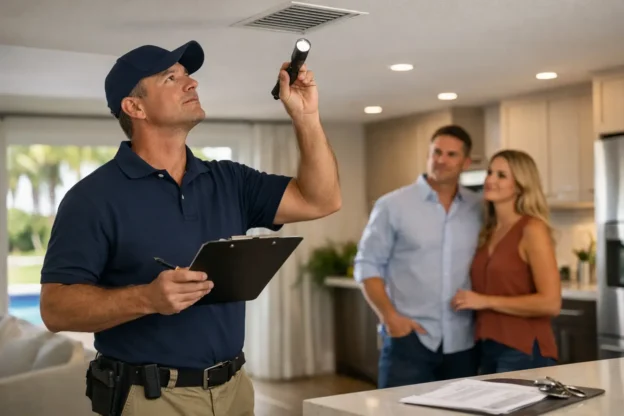
A pre-listing inspection is a professional evaluation of a home’s visible and accessible systems and components before it is listed for sale. It is similar in scope to the inspection a buyer may order, but the timing gives the seller more control.
The purpose is not to make a home look perfect. Every property has maintenance needs, especially in a climate where heat, humidity, storms, salt air, and heavy rain place steady demands on homes. The purpose is to identify conditions that could affect a buyer’s decision, negotiation, financing, insurance questions, or closing timeline.
A thorough inspection typically evaluates the roof and exterior, structural components, electrical system, plumbing, HVAC equipment, interior spaces, windows and doors, attic areas, and major built-in appliances. The inspector documents visible deficiencies with photographs and clear explanations so you can understand what was found and why it matters.
That information is useful whether you decide to make repairs, obtain estimates, disclose a known condition, or simply price and market the property with better context.
Why Timing Matters in a Florida Home Sale
Once a buyer’s inspection identifies an issue, the seller is usually working against several pressures at once. There may be a short inspection period, a pending purchase on the seller’s next home, contractor scheduling constraints, and questions from agents, lenders, or insurers. Even a manageable repair can become stressful when it surfaces late.
A pre-listing inspection creates breathing room. If the report notes evidence of a plumbing leak beneath a sink, for example, you can have it evaluated and repaired before showings begin. If an electrical panel has a concern, you have time to speak with a qualified electrician and retain the invoice. If the HVAC system needs service, you can address it before a buyer interprets the condition as a larger unknown.
Florida roof condition is another common source of questions. Age alone does not determine whether a roof is performing properly, but visible wear, damaged materials, flashing issues, or signs of moisture deserve attention. Addressing the facts early helps sellers make informed choices rather than reacting to a buyer’s report at the last minute.
A Pre Listing Inspection Is Not a Pass or Fail Test
Home inspection reports are sometimes misunderstood as a list of reasons a sale cannot move forward. In reality, a report is a snapshot of the home’s condition on the day of inspection. It identifies visible conditions that may need repair, further evaluation, monitoring, or routine maintenance.
Older homes will have older components. A home with a serviceable but aging water heater, air conditioner, or roof may still be marketable. The key is understanding the condition, communicating accurately, and deciding where repairs make financial sense.
Not every finding should trigger a major project. Small maintenance items may be handled quickly, while a larger concern may call for a licensed specialist’s opinion and a conversation with your real estate professional. Some sellers repair substantial defects before listing. Others adjust the price or provide supporting estimates. The right choice depends on the home’s condition, local demand, your target timeline, and the likely return on the work.
What to Do With the Inspection Report
The best next step is to read the full report, not just the summary. A detailed report provides context, photographs, and descriptions that help separate routine upkeep from items that warrant prompt action. If anything is unclear, ask your inspector to explain the finding in plain language.
For many sellers, it helps to sort findings into four practical categories:
- Conditions involving safety, active water intrusion, or significant system concerns
- Repairs that are likely to appear in a buyer’s inspection report
- Maintenance items that improve presentation and reduce buyer questions
- Conditions that require evaluation by a qualified contractor or specialist
Keep records for work completed after the inspection. Paid invoices, permits when applicable, warranties, service reports, and before-and-after photos can be valuable during negotiations. Documentation does not replace a buyer’s inspection, but it demonstrates that the seller responded responsibly to known conditions.
A seller should also discuss disclosure responsibilities with a qualified real estate professional or attorney. Inspection findings can have disclosure implications, and requirements can vary based on the circumstances of the transaction. Clear, accurate communication is usually better for the sale than letting a concern become a surprise later.
The Value of Technology in a Pre Listing Inspection
Some property conditions are not obvious during a quick walk-through. Advanced inspection tools can provide useful additional insight when used by a trained inspector as part of a comprehensive evaluation.
Thermal infrared cameras may help identify temperature differences associated with possible moisture, insulation gaps, or electrical irregularities. Moisture detection tools can help assess areas where staining, soft materials, or plumbing concerns are present. Drone-mounted cameras can provide a closer look at roof areas that are difficult to view safely from the ground or ladder access points.
These tools do not make guesses or replace specialist evaluation. They help the inspector investigate visible conditions more thoroughly and document areas that deserve attention. For a seller, that can mean fewer unknowns before the home reaches the market.
At West Coast Home Inspection, these tools are included as part of a thorough inspection approach, along with detailed reporting and direct communication about the findings. The goal is practical information you can use, not unnecessary alarm.
When a Pre Listing Inspection Makes the Most Sense
A pre-listing inspection can be helpful for nearly any seller, but it is especially valuable when the home has been owned for many years, has recently been rented, is vacant, or has deferred maintenance. It can also be useful after a major storm season, before listing a second home, or when a seller has limited flexibility once the property goes under contract.
It is particularly worth considering if you are not fully familiar with the home’s current systems. Sellers who inherited a property, purchased it recently without living in it long, or manage an investment property may have fewer firsthand details to share with buyers. A professional inspection provides a more reliable starting point.
Condominiums and townhouses can benefit as well. Although an association may be responsible for certain exterior elements, the individual unit still has plumbing, electrical, HVAC, windows, doors, interior finishes, and other components that can affect a sale. Clarifying what belongs to the unit owner and what falls under association responsibility can take time, so early information is useful.
Preparing the Home Before the Inspector Arrives
You do not need to renovate before a pre-listing inspection. However, access makes the inspection more complete. Ensure the electrical panel, attic access, HVAC equipment, water heater, under-sink plumbing, garage, and exterior areas can be reached. Replace dead batteries in smoke alarms if practical, unlock gates, and have keys available for utility rooms or storage spaces.
If you have records for roof work, HVAC service, plumbing repairs, electrical upgrades, or prior renovations, place them in one location. These documents may answer questions during the inspection and will be useful as you prepare the property for buyers.
It is also wise to have utilities on whenever possible. Systems that cannot be operated or accessed may need to be noted as limited in the report, leaving an open question that could surface later.
A Better Way to Enter Negotiations
A buyer may still order their own inspection, and their inspector may identify items differently. That is normal. No two inspections are identical, and conditions can change over time. The advantage of inspecting before listing is not controlling the buyer’s report. It is entering that process with a stronger understanding of your own home.
When sellers know what may come up, they can respond with facts instead of urgency. They can show completed repair records, explain a known condition accurately, or make a deliberate decision about concessions. That preparation often supports a more professional and confident transaction for everyone involved.
Before the first showing, give yourself the benefit of clarity. A careful pre-listing inspection can turn unknown conditions into informed decisions and help you place your home on the market ready for the questions buyers are likely to ask.