


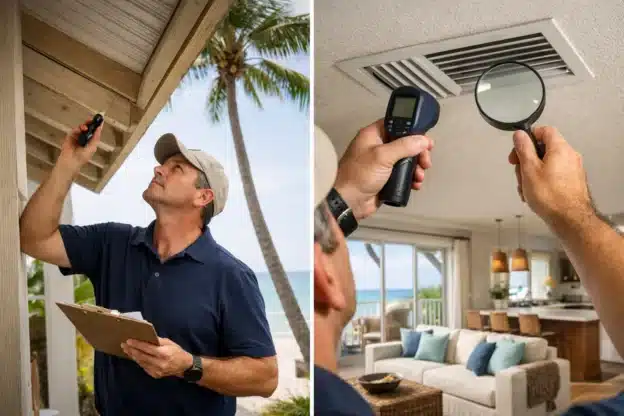
A property near Fort Myers Beach can look move-in ready while still carrying concerns that deserve a closer look. Salt air, heavy rain, intense sun, wind exposure, and long periods of humidity can affect a home’s exterior, roof system, electrical components, plumbing fixtures, and interior finishes over time. Fort Myers Beach home inspection services give buyers, sellers, and property owners a clear picture of the conditions that matter before they make a major decision.
A professional inspection is not about creating fear around a property. It is about replacing uncertainty with documented facts. Whether you are preparing an offer, listing a home, reviewing an insurance requirement, or nearing the end of a new construction warranty, a detailed inspection helps you understand what needs attention now and what should be monitored over time.
What Fort Myers Beach Home Inspection Services Should Cover
Every home is different, but a thorough residential inspection should look beyond cosmetic condition. Fresh paint, attractive flooring, and updated fixtures do not show what may be happening at the roof, electrical panel, attic, exterior cladding, or beneath sinks and appliances.
A complete inspection typically evaluates the visible and accessible condition of major systems and components, including the roof, structure, exterior, foundation areas, heating and cooling equipment, electrical system, plumbing system, interior rooms, insulation, ventilation, doors, windows, and built-in appliances. The goal is to identify material defects, safety concerns, signs of moisture intrusion, deferred maintenance, and conditions that may require further evaluation or repair.
On a coastal property, the exterior deserves particular attention. Wind-driven rain, salty conditions, and strong ultraviolet exposure can shorten the service life of exterior materials. An inspector should carefully review roof coverings and penetrations, soffits, fascia, wall surfaces, windows, doors, drainage conditions, and visible signs of water entry. These details can affect both long-term maintenance planning and near-term negotiations.
Technology Helps Find What the Eye Cannot Confirm
A careful visual inspection remains the foundation of the process, but the right technology adds valuable context. Moisture detection tools can help identify elevated moisture in areas where staining is not obvious. Thermal infrared imaging may reveal temperature patterns that point to possible moisture concerns, insulation irregularities, or electrical hot spots. Drone-mounted cameras can provide a closer view of roof areas that cannot be safely accessed from the ground.
Technology does not replace professional judgment. It helps the inspector gather better evidence, document conditions clearly, and explain where additional attention may be warranted. When used properly, these tools support a more complete assessment without adding unnecessary confusion to the report.
When to Schedule an Inspection
The right time depends on your reason for owning or purchasing the property. Buyers generally schedule an inspection during their contract inspection period, when the findings can inform repair requests, pricing discussions, or future budget planning. A detailed report gives buyers a practical record of the home’s condition on the day of the inspection.
Sellers can benefit from a pre-listing inspection before the home reaches the market. This gives them time to address known concerns, collect repair documentation, and reduce the chance of surprises after a buyer’s inspection. A seller does not need to repair every item found, but knowing the condition of the property creates a stronger position for planning and disclosure.
New construction buyers should also consider an independent inspection before closing. Municipal inspections and builder quality-control processes serve their own purposes, but an independent inspector represents the buyer’s interests. A new home may still have installation deficiencies, incomplete work, drainage concerns, or components that need adjustment before final closing.
Homeowners approaching the end of a builder warranty period have another useful opportunity. A 12-month warranty inspection can document concerns that developed after the home was occupied. This is especially valuable when seasonal weather has had time to test the roof, exterior, drainage, cooling system, windows, and other components.
Insurance-Related Inspections Need Local Experience
Florida insurance requirements often make inspection documentation a priority. A 4-point inspection focuses on four major areas commonly reviewed by insurance carriers: roof, electrical, plumbing, and heating and cooling. It is different from a full home inspection and is designed to provide insurers with specific information about the visible condition and age of those systems.
A wind mitigation inspection documents features that may help a home perform better in wind events, such as roof-to-wall connections, roof deck attachment, opening protection, roof shape, and secondary water resistance when present. The findings can be used by an insurance provider to determine available credits. Results vary by property and policy, but accurate documentation is essential.
For Fort Myers Beach-area homes, these inspections are not merely paperwork. They relate directly to the weather realities property owners face. Working with an inspector who understands the local building environment helps ensure the report is complete, legible, and prepared with the details insurers commonly request.
The Report Should Be Clear Enough to Use
An inspection report should do more than list observations. It should help you make decisions. Strong reporting uses clear language, photo documentation, and organized findings so you can understand what was found, where it was found, and why it matters.
The best reports distinguish between routine maintenance, repair needs, safety concerns, and larger items that may call for evaluation by a qualified specialist. Not every finding is a deal-breaker. Homes of every age have maintenance needs, and even well-maintained properties can have minor deficiencies. What matters is understanding the scope, urgency, and likely next step.
For a buyer, that may mean requesting repairs for a significant concern or seeking estimates before the end of the inspection period. For a seller, it may mean repairing an issue before listing or adjusting expectations about the home’s condition. For an owner, it may mean building a maintenance plan that protects the property and reduces the risk of more expensive work later.
Choosing the Right Inspector for Your Property
Credentials, experience, and communication matter. Look for an inspector who is properly qualified, carries the appropriate professional standards, and is willing to explain findings in direct, understandable terms. A detailed inspection has limited value if the client is left unsure about what the report means.
It also helps to choose an inspector who can handle the type of property involved. Condos and townhomes have different considerations than detached homes because responsibility may be divided between the owner and an association. Manufactured homes require attention to their specific construction and support systems. Duplexes and multi-unit properties need a methodical approach that accounts for each unit and shared components.
Ask what is included in the inspection, how reports are delivered, whether photos are provided, and when you can expect results. Fast turnaround is valuable in a real estate transaction, but speed should not come at the expense of a careful inspection. The right balance is thorough fieldwork followed by a report that is delivered promptly and easy to review.
West Coast Home Inspection brings Certified Master Inspector and Certified Professional Inspector qualifications, advanced technology, and veteran-owned accountability to residential inspections across Southwest Florida. The focus is straightforward: inspect carefully, report clearly, and give clients practical information they can use.
Make the Inspection Work for You
Attend the inspection when possible, particularly near the end of the appointment. You do not need to follow the inspector through every part of the home, but a final walkthrough conversation gives you the chance to ask questions and see key findings firsthand. Bring your concerns, whether they involve a roof repair you noticed, a musty odor, an older electrical panel, or a visible crack.
After you receive the report, read it with your real estate professional, contractor, insurance representative, or other qualified advisor as needed. Focus first on items involving safety, active moisture, major systems, and conditions that could lead to substantial repair costs. Then use the remaining findings as a maintenance roadmap rather than treating every small item as an emergency.
A careful inspection does not decide whether a house is right for you. It gives you the information to decide with open eyes. Before you commit to your next property decision, schedule the inspection early enough to review the findings, ask the right questions, and move forward with confidence.