


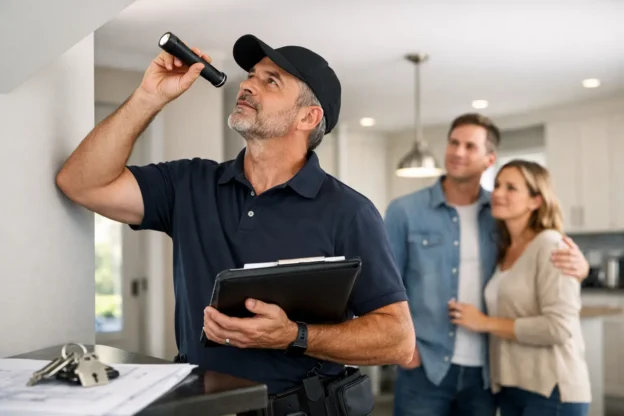
A home inspection can change the tone of a real estate deal in a single afternoon. A buyer walks in hoping for reassurance. A seller hopes nothing serious turns up. Both sides are really asking the same question: how to pass a home inspection without surprises that delay closing, lower the price, or send everyone back to the negotiating table.
The first thing to know is that a home does not need to be perfect to pass inspection. Inspectors do not grade homes like a school exam, and they do not issue a pass-or-fail certificate for a typical residential transaction. What they do is document visible conditions, safety concerns, material defects, and systems that may need repair or further evaluation. So when people ask how to pass a home inspection, what they usually mean is how to avoid major red flags and present the home as safe, functional, and well maintained.
What passing a home inspection really means
A strong inspection outcome usually comes down to risk. If the home shows signs of deferred maintenance, moisture intrusion, roof issues, electrical hazards, or HVAC problems, buyers and insurers start to see uncertainty. If the home appears cared for, accessible, and free of major defects, the report tends to support a smoother transaction.
That matters even more in Florida, where weather, humidity, roofing age, and insurance-related concerns can carry extra weight. A loose handrail may be a simple repair. Evidence of active leaks, storm damage, or unsafe electrical components can become a much bigger issue.
How to pass a home inspection as a seller
If you are selling, the goal is not to hide flaws. It is to reduce preventable findings and show that the property has been maintained responsibly. Small issues often signal bigger concerns to buyers, even when the actual repair is minor.
Start with the obvious repairs
Loose doorknobs, cracked outlet covers, missing screens, dripping faucets, damaged caulk, and sticking windows may seem minor, but they add up. When an inspector sees a long list of small maintenance issues, it can create the impression that larger systems may have been neglected too.
Before the inspection, walk the property as if you were seeing it for the first time. Test doors, windows, locks, light fixtures, ceiling fans, smoke alarms, and garage door safety features. Replace burnt-out bulbs. Tighten what is loose. Repair what is easy to fix now rather than explain later.
Make all major systems easy to access
One of the fastest ways to complicate an inspection is blocked access. If the electrical panel is behind storage boxes, the attic hatch is painted shut, or the water heater is buried behind belongings, the inspector cannot fully evaluate those areas. That often leads to limited findings in the report, and limited findings can raise questions.
Clear space around the HVAC air handler, electrical panel, water heater, attic entry, and under sinks. Unlock gates, sheds, utility rooms, and any area with mechanical equipment. If a system cannot be accessed, the issue may not go away. It may simply come back as a condition that needs follow-up.
Pay close attention to moisture and roof concerns
In Southwest Florida, moisture is never a small topic. Stains on ceilings, soft drywall, musty odors, damaged baseboards, and exterior cracks near openings can all suggest water intrusion. Even if the source was repaired in the past, visible staining without an explanation tends to raise concern.
If you know of a previous leak, document the repair and make sure the area is dry and finished properly. Check around windows, sliding doors, tubs, showers, and exterior penetrations. Also look at the roof from the ground for missing shingles, damaged tiles, sagging sections, or debris buildup. You do not need a perfect roof, but you do need one that does not appear to be actively failing.
Address safety issues before they appear in the report
Safety findings carry more weight than cosmetic ones. Missing handrails, loose stair treads, exposed wiring, double-tapped breakers in some cases, nonfunctioning GFCI outlets, and inoperative smoke detectors are all items worth correcting before inspection.
These are the kinds of defects that can make buyers uneasy because they suggest immediate risk rather than future maintenance. The good news is that many are relatively inexpensive to correct.
How buyers can prepare for the inspection
Buyers are not trying to make the house look better. They are trying to understand its real condition. If you are the buyer, knowing how to pass a home inspection is really about knowing how to respond to the findings without overreacting or missing something important.
Attend the inspection if possible
There is real value in seeing the property through the inspector’s eyes. Photos and reports are essential, but being present helps you understand context. You can see what is routine, what is urgent, and what deserves a specialist review.
An experienced inspector will often point out the difference between a maintenance item and a meaningful defect. That perspective can help you make better repair requests and avoid turning a manageable report into an unnecessary dispute.
Focus on the big-ticket items first
Not every finding deserves the same level of concern. Cosmetic wear, aging caulk, or a slow drain may not matter much in the broader transaction. Roof condition, electrical safety, plumbing leaks, structural movement, HVAC performance, and signs of moisture intrusion usually deserve closer attention.
This is where discipline matters. A long report can feel overwhelming, but most homes have findings. The question is not whether issues exist. The question is which issues materially affect safety, insurability, cost, or your plans for the property.
Understand when a specialist may be needed
A home inspection is comprehensive, but it is still a visual, noninvasive evaluation. Sometimes the right next step is a roofing contractor, electrician, plumber, HVAC company, engineer, or mold professional. That does not mean the deal is falling apart. It means more information is needed before you decide what to do next.
That is especially common when there are signs of hidden moisture, aging components near the end of service life, or conditions that may affect insurance underwriting.
Common issues that can hurt an inspection outcome
Some problems show up again and again because they are easy to overlook during everyday living. Dirty HVAC filters, clogged gutters, missing GFCI protection, deteriorated exterior sealant, loose toilets, and damaged fascia are common examples. They may not sound dramatic, but they can point toward larger maintenance gaps.
In Florida homes, inspectors also pay close attention to roof age and condition, signs of past or present leaks, electrical panel concerns, microbial growth patterns associated with moisture, and exterior damage from sun, wind, and water exposure. Older homes may bring in additional concerns related to outdated wiring methods or aging plumbing materials. Newer homes are not immune either. Even new construction can have incomplete items, improper installations, or drainage issues that deserve correction.
A pre-listing inspection can give sellers an advantage
If you want the most practical answer to how to pass a home inspection, it may be this: find the issues before the buyer does. A pre-listing inspection gives sellers a chance to identify defects early, make repairs on their timeline, and reduce the risk of stressful renegotiation later.
That approach is especially useful when a home has been occupied for years without a recent professional review, or when the seller knows there have been repairs to the roof, plumbing, or air conditioning. It creates a chance to move from reactive to prepared.
For homeowners in Southwest Florida, that can also be helpful when weather exposure and insurance expectations are part of the bigger picture. West Coast Home Inspection often sees clients gain confidence simply by knowing where they stand before the transaction puts them on the clock.
Clean matters, but condition matters more
A clean house does not guarantee a better report, but it does influence how the property is perceived. Clean mechanical areas, dry cabinet interiors, and a well-kept exterior suggest ongoing care. On the other hand, clutter, dirt, and neglected maintenance can make buyers worry about what they are not seeing.
Still, presentation has limits. Fresh paint does not solve moisture damage. Air fresheners do not solve musty odors. The best preparation is honest preparation. Fix what you can, document what has been repaired, and do not try to mask active issues.
How to think about the report after the inspection
Once the report arrives, the smartest next move is usually a calm one. Sellers should review findings with an eye toward legitimate concerns, not personal offense. Buyers should review findings with an eye toward risk, not perfection.
Most transactions survive inspections just fine because both sides stay focused on facts. A reasonable repair request, credit, or price adjustment can solve a lot. What usually causes problems is surprise, defensiveness, or confusion about which issues actually matter.
If you are trying to figure out how to pass a home inspection, the real answer is simple: maintain the home, fix the obvious issues, keep systems accessible, and take moisture and safety concerns seriously. A solid inspection result is usually not about having a flawless property. It is about showing that the home has been cared for in a way that gives the next owner confidence.