


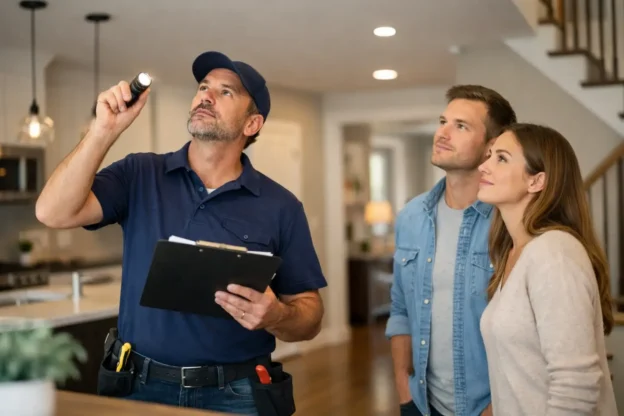
The house looked right in the listing photos, the showing went well, and your offer is accepted. That is usually the moment when buyers feel relief. In reality, it is the point where a pre purchase home inspection becomes one of the most valuable steps in the entire transaction.
A home can present well and still have hidden concerns behind walls, above ceilings, or across the roofline. In Southwest Florida, those concerns can include moisture intrusion, aging HVAC systems, storm-related wear, electrical issues, and roofing problems that affect both safety and insurability. A thorough inspection gives you a clearer picture of what you are buying before you move any closer to closing.
What a pre purchase home inspection is really for
A pre purchase home inspection is not a pass-or-fail test. It is a professional evaluation of the property’s visible and accessible systems and components at the time of the inspection. The goal is simple: reduce surprises.
For buyers, that means understanding condition, identifying material defects, and getting practical information you can actually use. Sometimes the inspection confirms that the home is in solid shape. Sometimes it reveals deferred maintenance or larger concerns that need attention. Most often, it falls somewhere in the middle.
That middle ground matters. Few resale homes are perfect, especially in Florida’s climate. Heat, humidity, salt air, wind, and heavy rain all take a toll over time. What matters is not whether an inspector finds anything at all. What matters is whether you understand the significance of what is found, how soon it should be addressed, and what it may mean for your budget and negotiations.
Why Florida buyers should take this step seriously
In some markets, buyers feel pressure to move quickly and keep contingencies to a minimum. That can be tempting, but waiving a pre purchase home inspection can turn a fast deal into an expensive mistake.
Florida homes face conditions that are harder on building materials than many buyers expect. Roof coverings age faster under intense sun. Air conditioning systems work harder and longer. Moisture can enter around windows, doors, roofs, or plumbing penetrations and stay hidden until damage becomes more extensive. In some properties, especially older homes, insurance-related concerns may also come into play.
This is one reason detailed inspections matter so much in places like Fort Myers, Cape Coral, Naples, and nearby communities. You are not just evaluating cosmetic condition. You are evaluating how the home has held up in a demanding environment.
What an inspector looks at during the inspection
A professional inspection covers the home’s major systems and components that are safely visible and accessible. That typically includes the roof, exterior, structure, attic, insulation, plumbing, electrical system, HVAC, interior rooms, doors and windows, and built-in appliances.
The roof gets close attention because it protects everything below it. Signs of wear, missing materials, damaged flashing, ponding, or previous repairs can point to future expense. On the exterior, inspectors look for grading issues, cracks, damaged siding, unsafe walkways, and indications that water may not be draining away from the home as it should.
Inside, plumbing fixtures are tested, electrical panels are reviewed, outlets and visible wiring are checked, and HVAC performance is evaluated. Attics can reveal a great deal about ventilation, insulation, leaks, and previous repairs. Moisture detection tools and thermal imaging can also help identify issues that are not obvious to the naked eye.
That does not mean the inspection is invasive. Inspectors do not open walls or predict the future. What they do provide is a trained, systematic assessment based on what can be observed on the day of the inspection.
What a pre purchase home inspection can uncover
Some findings are minor and expected. A loose handrail, a worn weather seal, or a GFCI outlet that needs correction may not change your buying decision. They are useful to know, but they are usually manageable.
Other findings deserve more attention. Roof issues, active leaks, electrical hazards, aging plumbing materials, poor drainage, structural movement, or HVAC systems near the end of service life can materially affect the cost of ownership. Those items may influence negotiations, insurance planning, or whether the purchase still makes sense for you.
There is also a category of findings that is less dramatic but still important: maintenance. A good inspection often shows where a home has been cared for consistently and where upkeep has been postponed. That context helps buyers understand not just one isolated issue, but the overall pattern of how the property has been maintained.
What to expect from the report
The inspection is important, but the report is what stays with you. A strong report should be clear, detailed, and supported by photos so you can understand both the issue and its location.
This is especially useful when you are making fast decisions during the inspection period. You need to know what is significant, what is routine, and what may require a licensed specialist for further evaluation. Vague reporting does not help buyers. Clear communication does.
A dependable inspection company will also be available to answer questions after the report is delivered. That matters because most buyers are not just looking for a checklist. They want context. Is this a common issue? Is it urgent? Is it a safety concern, a maintenance item, or a likely negotiation point?
How buyers use the inspection in negotiations
A pre purchase home inspection gives you information, not automatic leverage. Whether the seller agrees to repairs, credits, or a price adjustment depends on the market, the contract, and the severity of the findings.
Still, good information puts you in a much stronger position. If the inspection reveals a roof leak, an unsafe electrical condition, or significant moisture intrusion, you can make requests based on documented conditions rather than assumptions. If the findings are mostly smaller maintenance items, you may decide to move forward without asking for much at all.
This is where perspective matters. Buyers sometimes expect an older home to inspect like a new one, and that is not realistic. On the other hand, major defects should never be dismissed as normal wear and tear. A disciplined inspection helps separate one from the other.
Choosing the right inspection company
Not all inspections are performed with the same level of thoroughness. Buyers should look for an inspector who is experienced, responsive, and able to explain findings in plain language. The inspection should be detailed enough to support a major financial decision, not rushed just to meet a deadline.
In Florida, it is also worth choosing a company that understands local property conditions and insurance realities. Advanced tools such as moisture meters, thermal infrared cameras, and drone-mounted cameras can add meaningful value when they are used as part of a careful process, not as a gimmick.
West Coast Home Inspection approaches pre-purchase inspections with that standard in mind: thorough reporting, practical communication, and a clear focus on helping buyers make informed decisions with confidence.
When an inspection may need follow-up
Sometimes the inspection answers your questions. Sometimes it points to the need for more specialized review. If an inspector finds signs of structural movement, active roof leaking, unsafe electrical conditions, or HVAC performance concerns, a licensed contractor or specialist may need to evaluate further.
That is not a sign the inspection failed. It means the process is working as intended. A general home inspection is designed to identify visible concerns and alert you when deeper review is warranted.
The value is not just in finding problems
Many buyers think of a pre purchase home inspection as a way to catch defects before it is too late. That is true, but it is only part of the story.
A quality inspection also helps you plan. Even if you move forward without renegotiating, you now know more about the home’s current condition, likely maintenance priorities, and possible future costs. That is valuable on day one of ownership. It is even more valuable six months later when something needs attention and you are not caught off guard.
The right inspection does more than flag issues. It gives you a more honest starting point. And when you are making a major investment, clarity is worth a great deal more than guesswork.