


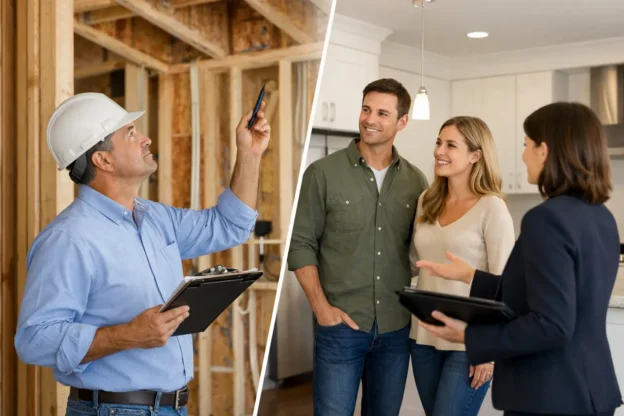
A builder hands you the keys, the home looks spotless, and the closing date is already on the calendar. That is exactly when many buyers assume everything has been checked. In reality, the difference between a new construction inspection vs final walkthrough can have a direct impact on whether you move into a home with hidden defects, unfinished items, or systems that were never properly evaluated.
For buyers, these two steps are not interchangeable. One is a professional inspection focused on condition, performance, and defects. The other is a buyer-oriented review to confirm the home is in the expected state before closing. Both matter, but they serve different purposes.
New construction inspection vs final walkthrough: what is the difference?
A new construction inspection is a professional, third-party evaluation of the home. It is designed to identify deficiencies in workmanship, installation, and major systems before you take ownership. Even in a brand-new house, issues can show up in roofing, grading, electrical components, HVAC performance, plumbing fixtures, attic conditions, windows, insulation, moisture-prone areas, and more.
A final walkthrough is typically the buyer’s last visit before closing. It is not a substitute for an inspection. Its purpose is to confirm that agreed repairs were completed, finishes are as expected, appliances and fixtures that should remain are still present, and the property has not changed since the contract was signed.
That distinction matters. A walkthrough is mostly about confirming condition and completion. A new construction inspection is about uncovering problems that may not be obvious to the untrained eye.
Why buyers confuse them
The confusion is understandable because both happen near the end of the building or closing process. Builders may also conduct their own orientation or punch-list review, which can look similar to a walkthrough. But a builder representative is not acting as your independent inspector.
Buyers also assume a new home should not need an inspection at all. That sounds reasonable until you remember how homes are built. Multiple crews work on tight schedules, municipal code inspections are limited in scope, and small oversights can stack up. A house can be new and still have incomplete flashing, reversed outlets, missing insulation, HVAC issues, roof concerns, drainage problems, or moisture intrusion risks.
A clean-looking home is not the same as a thoroughly evaluated home.
What a new construction inspection actually covers
A proper new construction inspection looks beyond cosmetic appearance. The inspector is evaluating whether the home’s visible and accessible components are installed properly and functioning as intended at the time of the inspection.
That usually includes the roof, exterior, attic, insulation, foundation visibility, drainage, doors, windows, interior surfaces, electrical system, plumbing system, HVAC, water heater, and built-in appliances. In Florida, that exterior review can be especially important because drainage, roof details, moisture management, and weather exposure are not minor issues. They directly affect long-term performance.
Depending on the stage of construction, the inspection may happen before drywall, before closing, or as part of an 11-month or 12-month warranty inspection. Each timing has advantages. A pre-drywall inspection can reveal framing or installation concerns before walls are closed up. A pre-closing inspection helps catch issues before final signoff. A warranty inspection gives homeowners one more chance to document concerns before the builder’s warranty period changes or expires.
What a final walkthrough is meant to do
The final walkthrough is narrower. It gives the buyer a chance to verify that the home is substantially complete and that promised corrections are done.
This is the time to confirm things like paint touch-ups, damaged materials that were supposed to be replaced, appliance installation, garage door operation, missing screens, fixture damage, and any agreed punch-list items. You are also checking that no new damage occurred while work crews were finishing the house or moving equipment.
It is practical, but it is not technical. A walkthrough does not typically include opening electrical panels, evaluating attic conditions, checking temperature differentials at HVAC registers, assessing roof installation details, or using tools to identify moisture issues. Those are inspection functions.
New construction inspection vs final walkthrough: why you often need both
If you are buying a newly built home, the best approach is usually not choosing one over the other. It is understanding what each step does and using both appropriately.
The inspection gives you an independent assessment. The walkthrough gives you a final confirmation. When used together, they help reduce the chance that you miss either a hidden defect or an unfinished correction.
This is especially helpful when builders complete work close to the closing date. A third-party inspector may identify items that need correction, but the final walkthrough lets you confirm whether those corrections were actually made. If a repair was promised, this is your chance to verify it before you sign final documents.
That sequence matters because once closing is complete, leverage can change. Builders may still be responsible for warranty items, but getting action after move-in can be slower and more frustrating than addressing concerns before closing.
What a final walkthrough will not catch
A buyer doing a walkthrough can spot obvious issues, but many important defects are subtle. A missing GFCI protection issue may not stand out. Improper attic insulation may go unnoticed. Roof flashing problems are not always visible from the ground. Drainage concerns may be easy to miss on a dry day. Minor moisture anomalies around windows, tubs, showers, or exterior penetrations do not always announce themselves.
This is where an experienced inspector adds value. Thorough inspectors rely on training, process, and tools, not just a quick visual scan. Moisture detection equipment, thermal imaging, and careful component testing can help identify problems that a casual visit will miss.
That does not mean every issue is major. Some findings will be minor corrections or normal builder punch-list items. But some are more significant, and the point is to know the difference before the transaction is complete.
What buyers should do before closing on a new build
Start by reviewing your contract timeline. Some builders have specific procedures for inspections, reinspection requests, or final acceptance items. It is better to schedule early than to realize too late that your inspection window is compressed.
If possible, arrange the new construction inspection before the final walkthrough. That gives the builder time to respond to findings and gives you a clearer list of what to revisit. Then use the walkthrough to verify repairs, check finishes, and make sure no new issues appeared.
Bring documentation with you. If the inspector identified concerns, keep the report accessible during the walkthrough. If the builder agreed to specific corrections, have those items listed clearly. This keeps the conversation focused and avoids relying on memory during a busy closing week.
If a home is already complete and you are close to the closing date, it is still worth getting a professional inspection if your contract allows it. Buyers sometimes assume they are too late, but a pre-closing inspection can still reveal issues that deserve attention.
The Florida factor buyers should not ignore
In Southwest Florida, new homes face real environmental demands from the start. Heat, humidity, wind, heavy rain, and storm exposure all place pressure on roofing systems, drainage, exterior penetrations, and HVAC performance. That makes details more important, not less.
A final walkthrough may tell you that the paint looks good and the appliances are installed. A new construction inspection is more likely to tell you whether the home appears ready for the conditions it will actually face.
That is one reason many buyers choose an inspection company that is known for detailed reporting, clear communication, and field technology that helps document concerns thoroughly. For a major purchase, vague reassurance is not enough. You want findings you can act on.
The better question is not which one matters more
When buyers ask about new construction inspection vs final walkthrough, they are often trying to decide which step they can skip. Usually, that is the wrong question.
The better question is whether you have both an independent evaluation of the home’s condition and a final chance to confirm completion before closing. If the answer is yes, you are in a much stronger position. If the answer is no, you may be relying on appearances at the most expensive moment of the transaction.
A new home should feel exciting, not uncertain. Taking the time to separate inspection from walkthrough gives you a clearer picture of what you are buying and a better chance to address problems while you still have options. That peace of mind is worth bringing to the front door with you.