


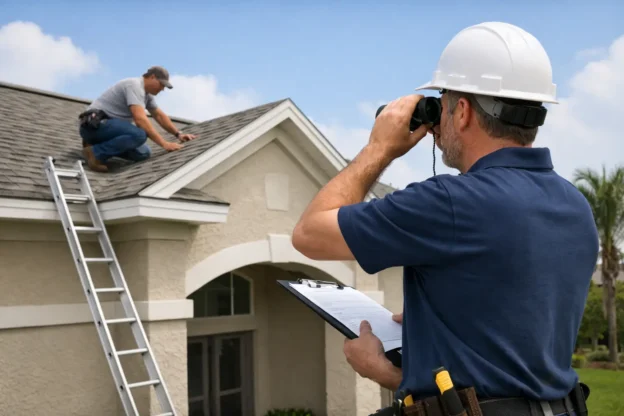
A roof can look fine from the driveway and still miss the features insurers care about most. In Southwest Florida, that gap matters. A wind mitigation inspection focuses on the parts of a home that help it stand up better to high winds, and the findings can affect insurance discounts, documentation requirements, and peace of mind before storm season.
For buyers, sellers, and current homeowners, this inspection is less about appearances and more about verified construction details. It answers practical questions. How is the roof attached? Does the roof deck have the right nailing pattern? Are the openings protected? Those details can make a real difference when an insurer calculates risk.
What a wind mitigation inspection is meant to do
A wind mitigation inspection is a specialized inspection that documents construction features known to reduce wind damage. In Florida, insurers often use this information to determine whether a property qualifies for premium credits or discounts. The inspection does not guarantee lower insurance costs, but it gives the insurer the documentation needed to evaluate the home correctly.
This is where many homeowners get tripped up. They assume age alone tells the story. A newer roof may help, but the inspection is looking for specific evidence, not broad assumptions. Two homes built in the same year can produce very different results if one has stronger roof-to-wall connections, better opening protection, or updated roofing materials.
The report is typically submitted on a standardized form used by insurers in Florida. Because of that, accuracy matters. Missing a detail, or documenting it poorly, can mean missed credits or follow-up questions from the carrier.
What is checked during a wind mitigation inspection?
The inspection centers on a short list of structural features with outsized importance during wind events.
Roof covering and age
The inspector identifies the roof covering type and documents when the roof was installed, if records are available. Insurers want to know not only what material is on the home, but whether it was installed under building code requirements that may improve performance.
Age alone is not the only factor, but it often sets the stage for how the rest of the inspection is viewed. A roof installed under more recent Florida codes may offer advantages, assuming the supporting details can be verified.
Roof deck attachment
This refers to how the roof sheathing is fastened to the roof framing. The size of the nails and the spacing pattern matter. Stronger attachment can improve resistance to uplift during high winds.
This is one of the most important parts of the inspection and one of the hardest for homeowners to evaluate on their own. It usually requires access to the attic and a trained eye to identify the fastening pattern correctly.
Roof-to-wall attachment
The inspector documents how the roof structure is connected to the walls. This may involve clips, single wraps, double wraps, or other connector types. Stronger connections generally mean better wind resistance.
Small differences in hardware can lead to different classifications on the report. That is one reason a careful inspection matters. A vague look is not enough when the distinction can affect insurance outcomes.
Roof geometry
The shape of the roof can influence how wind moves across the structure. Hip roofs generally perform better in wind than gable roofs because they tend to reduce uplift pressure at the ends.
That does not mean a gable roof is a problem by itself. It means geometry is part of the full risk picture. Insurers often recognize certain roof shapes more favorably than others.
Secondary water resistance
This refers to an added layer of protection beneath the roof covering that may help reduce water intrusion if the outer roofing material is damaged. Not every home has it, and not every installation can be visually confirmed during a standard inspection.
This is one of those areas where the answer may depend on available documentation or visible evidence. If it cannot be verified, it usually cannot be credited.
Opening protection
Windows, doors, garage doors, and skylights are checked for impact-rated protection or approved storm shutters. If wind breaches an opening, internal pressure can rise quickly and increase the chance of major roof or structural damage.
This section can be more detailed than homeowners expect. It is not enough to have shutters somewhere in the garage. The protection must meet the right standards and correspond to the openings it is meant to cover.
Why this inspection matters in Florida
In Southwest Florida, wind exposure is not theoretical. Homes in Fort Myers, Cape Coral, Naples, and surrounding communities face seasonal storm risk as a normal part of ownership. A wind mitigation inspection gives homeowners a clearer picture of how their home is built to handle that risk.
Insurance is usually the main reason people schedule one. If the home has qualifying features, the inspection may help support policy discounts. In some cases, the savings can offset the cost of the inspection fairly quickly. In other cases, the discounts are modest. It depends on the age of the home, the insurer, the policy structure, and what protective features can be documented.
There is also value beyond premium discussions. For a buyer, this inspection can reveal whether a home has meaningful storm-resistance features or whether improvements may be worth budgeting for later. For a seller, it can provide useful documentation when buyers ask about insurance and storm readiness. For an existing homeowner, it can help confirm whether an older report still reflects the home as it stands today.
When to schedule a wind mitigation inspection
The best time depends on why you need it.
If you are buying a home, scheduling it during the inspection period can help you understand both insurability and potential ownership costs before closing. If you already own the home, it often makes sense to schedule one when shopping for insurance, renewing a policy, or after completing upgrades such as a roof replacement, new garage door, or impact-rated window installation.
Timing matters after improvements. If you have invested in wind-resistant upgrades but never had them documented properly, your insurer may not account for them. The inspection creates the paper trail needed to support the conversation.
Some homeowners also update an older report because insurance carriers may not accept reports indefinitely. Requirements vary, so there is no one-size-fits-all timeline.
What a wind mitigation inspection does not do
This inspection is valuable, but it has a specific purpose. It is not the same as a full home inspection, and it does not evaluate every component of the property for condition, safety, or performance.
It also does not promise insurance discounts. The inspection documents eligible features. The insurer decides how those features affect the policy. That distinction matters because homeowners sometimes expect a guaranteed savings number, and the reality is more case-specific.
It is also not a substitute for roof certification or storm damage evaluation after a weather event. Those are separate needs and may require different documentation.
Why thorough documentation makes a difference
A wind mitigation inspection is only as useful as the evidence behind it. Clear photos, attic verification where accessible, accurate measurements, and complete reporting all matter. If a key feature cannot be verified, it may not help on the insurance side even if the feature is actually present.
That is why experience and attention to detail matter so much in this service. A disciplined inspection process helps avoid missed opportunities and reduces the chance of delays caused by incomplete reports or insurer questions.
For many homeowners, this is where working with a company that understands Florida construction and insurance realities pays off. West Coast Home Inspection approaches the process with the same focus clients expect from any high-stakes property decision – clear communication, reliable documentation, and a report built to be useful in the real world.
The real value of knowing how your home is built
Storm preparation is not only about stocking supplies and watching the forecast. It starts with understanding the house itself. A wind mitigation inspection gives you verified information about the features that matter most when wind loads increase and insurance questions come up.
That knowledge is useful whether the report leads to discounts, helps with a purchase decision, or simply shows you where the home stands today. When you know how your roof, openings, and structural connections are documented, you can make decisions with more confidence and fewer assumptions.