


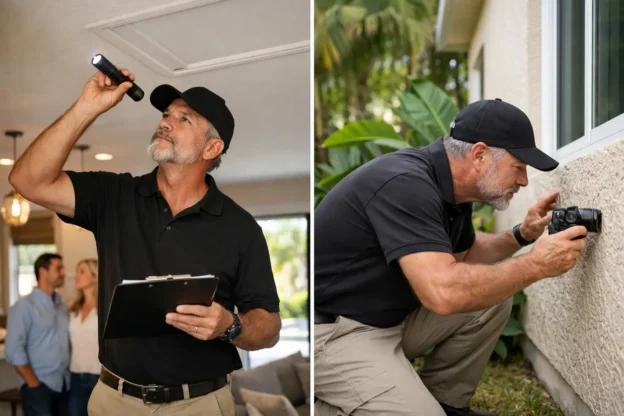
A home can look well cared for during a showing and still have concerns behind an electrical panel, above a ceiling, beneath flooring, or on the roof. A certified master inspector brings a higher level of training, experience, and disciplined inspection practice to the process, helping buyers and sellers see the property more clearly before the next decision is made.
For Southwest Florida property owners, that clarity matters. Heat, humidity, heavy rain, wind exposure, aging building materials, and changing insurance expectations can all affect a home’s condition and future costs. A detailed inspection is not simply a box to check before closing. It is practical information for protecting a significant investment.
What Does Certified Master Inspector Mean?
Certified Master Inspector, often called CMI, is a professional designation earned by inspectors who meet established experience, education, and professional standards. It is not a designation that comes with a short course or a new business card. It reflects a substantial commitment to the inspection profession.
A certified master inspector has completed extensive inspection work, pursued continuing education, and agreed to follow a professional code of ethics. Those standards matter because a home inspection requires more than recognizing a visible defect. It requires sound judgment, consistency, and the ability to explain what a condition may mean for the client.
The designation does not mean an inspector can predict every future repair or see through every finished surface. No inspection can offer that kind of guarantee. What it does indicate is a demonstrated level of experience and dedication that gives clients added confidence in the person evaluating the home.
Why Experience Matters During a Home Inspection
Experience changes the way an inspector approaches a property. A newer inspector may identify obvious damage, while a seasoned professional is more likely to recognize patterns that deserve closer attention. A small ceiling stain, an uneven repair, an outdated component, or moisture near an exterior opening can be connected to a larger question about the home’s history or performance.
That does not mean every finding is a major problem. In fact, one of the most valuable parts of an experienced inspection is perspective. Clients need to know the difference between normal maintenance, a condition to monitor, a repair that should be addressed promptly, and an issue that may warrant further evaluation by a qualified specialist.
Clear perspective is especially valuable in a competitive real estate transaction. Buyers need information without unnecessary alarm. Sellers need a realistic understanding of their property’s condition before listing or negotiating. A detailed report with photographs and plain-language explanations helps everyone focus on facts rather than assumptions.
The Inspector’s Job Is to Look Beyond Cosmetics
Fresh paint, new flooring, and updated fixtures can improve a home’s appearance, but they do not confirm the condition of the systems that support daily living. A thorough inspection examines accessible areas and components such as the roof, exterior, structure, electrical system, plumbing, HVAC equipment, interior, attic, and built-in appliances.
The inspector also looks for signs that may point to moisture intrusion, improper installation, deferred maintenance, or safety concerns. In Florida, where moisture and weather can place steady pressure on a home, this attention to detail is particularly important.
Advanced tools can provide valuable additional insight. Moisture detection equipment can help identify areas that warrant attention. Thermal infrared cameras may reveal temperature differences associated with certain conditions. Drone-mounted cameras can help document roof areas that are difficult or unsafe to view from a ladder. Technology supports the inspection process, but it is the inspector’s training and judgment that turn observations into useful information.
A Certified Master Inspector Helps Buyers Make Better Decisions
For buyers, the inspection is an opportunity to understand what they are purchasing before they are committed. The report may affect negotiations, repair requests, budgeting, or the decision to seek additional evaluation. Just as importantly, it gives buyers a practical orientation to the home they may soon own.
A strong inspection report should not leave a buyer wondering what comes next. It should organize findings clearly, include supporting photos where helpful, and identify the relative significance of conditions observed. Fast delivery matters, too. Inspection periods can move quickly, and buyers need time to review the findings, ask questions, and discuss options with their real estate professional.
It also helps when the inspector is available to communicate after the inspection. A report can contain substantial detail, and not every concern carries the same weight. A conversation with the inspector allows buyers to understand the findings in context and prioritize their next steps.
Sellers Benefit From the Same Level of Detail
A pre-listing inspection gives sellers the chance to learn about visible concerns before a buyer’s inspection brings them into the negotiation. Some sellers choose to complete repairs before listing. Others decide to disclose conditions and price the home accordingly. The right choice depends on the home’s condition, timing, budget, and local market conditions.
There is no requirement for a home to be perfect before it is listed. Every property has maintenance items, particularly as it ages. The advantage of a detailed pre-listing inspection is preparation. Surprises late in a transaction can create stress, delays, and difficult conversations. Knowing the condition of the property early gives sellers more control over how they respond.
For newer homes, a new construction inspection or 12-month warranty inspection can be equally valuable. New does not always mean free of defects. Installation details, drainage, roofing, electrical components, and finish issues can still require correction. Documenting concerns while warranty coverage remains available can make a meaningful difference for a homeowner.
Florida Conditions Require a Local Perspective
Southwest Florida homes face conditions that are not identical to homes in other regions. Roof condition, exterior openings, water management, air-conditioning performance, and signs of moisture all deserve careful consideration. Insurance-related inspections, including 4-point and wind mitigation inspections, also serve a practical role for many property owners.
A 4-point inspection generally focuses on key systems insurers commonly review: roof, electrical, plumbing, and HVAC. A wind mitigation inspection documents qualifying wind-resistive features that may be relevant to insurance underwriting and potential discounts. These inspections have a different purpose from a comprehensive home inspection, but they can complement one another when a property owner needs both a broad condition assessment and insurance documentation.
Condominiums, townhouses, manufactured homes, duplexes, and multi-unit properties each have their own inspection considerations. For example, responsibility for exterior elements may differ in a condominium community, while a duplex requires a clear review of the components serving each living area. The inspection should fit the property, not force every home into the same checklist.
What to Look for When Choosing an Inspector
Credentials are an important starting point, but clients should also consider how an inspector works. Look for clear communication before and after the appointment, detailed reporting, photo documentation, appropriate technology, and a professional approach to questions.
Responsiveness matters when you are working within a real estate timeline. So does accountability. An inspector should explain the inspection scope, describe findings in understandable terms, and be honest about the limits of a visual inspection. Overpromising is not helpful. Reliable information is.
West Coast Home Inspection brings that disciplined approach to residential inspections across Southwest Florida. As a veteran-owned company, the focus is on thoroughness, practical reliability, and communication clients can count on when the stakes are high.
A home inspection cannot make a decision for you, but it can replace uncertainty with useful facts. Whether you are preparing to buy, list, maintain, or insure a property, choose an inspector whose experience and reporting give you a clear foundation for the next step.