


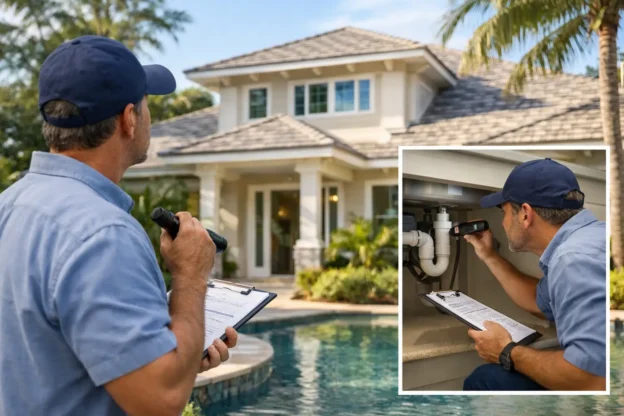
A home near the Caloosahatchee can look move-in ready and still have moisture intrusion behind a finished wall, aging electrical components, roof wear, or drainage issues that only show up after heavy rain. A Fort Myers home inspection gives buyers a documented, practical picture of the property before they make one of their largest financial commitments.
In Southwest Florida, an inspection is not simply a box to check before closing. It is a chance to understand how the home has performed in heat, humidity, storms, and day-to-day use. The right inspection helps you ask better questions, plan repairs realistically, and move forward with a clearer view of the property.
What a Fort Myers Home Inspection Covers
A comprehensive residential inspection examines the home’s accessible systems and components at the time of the appointment. That generally includes the roof, exterior, foundation and structure, attic, interior rooms, electrical system, plumbing system, heating and cooling equipment, insulation, doors, windows, built-in appliances, and visible drainage conditions around the property.
The purpose is not to make a home pass or fail. Every property has a condition, a maintenance history, and a different level of risk. The inspector’s job is to identify visible deficiencies, safety concerns, signs of damage, and components that may need repair, monitoring, or further evaluation.
For a buyer, this information can shape the next step in the transaction. Some findings may be routine maintenance items, such as deteriorated sealant or a loose fixture. Others may call for a licensed contractor’s assessment before closing, particularly when the issue involves roofing, electrical safety, active moisture, or the air-conditioning system.
Florida conditions change the priorities
Fort Myers homes face conditions that deserve close attention. High humidity can expose weak points in exterior finishes, window and door seals, attic ventilation, and cooling performance. Intense sun can shorten the service life of roof coverings and exterior materials. Heavy rain can reveal grading or drainage problems that are not obvious from a listing photo.
Storm exposure also affects how buyers should look at the property. The condition of the roof, exterior openings, shutters where present, and visible wind-resistant features can influence both maintenance planning and insurance conversations. A thorough inspection puts these details in context rather than leaving buyers to piece them together later.
Why Detailed Reporting Matters After the Inspection
The inspection appointment is valuable, but the report is what stays with you. A clear, photo-documented report helps buyers, sellers, agents, and contractors understand what was observed and where it is located. It should distinguish significant concerns from ordinary upkeep so that the most meaningful items receive attention first.
A useful report also makes the inspection period more manageable. Rather than relying on memory from a walkthrough, you have organized findings to review with your real estate professional and, when appropriate, the seller. That can support repair discussions, requests for additional information, or a decision to obtain estimates from qualified trades.
No visual inspection can predict every future repair or identify conditions behind inaccessible surfaces. Homes are complex, and systems can fail without warning. Still, detailed reporting substantially reduces the guesswork that often comes with buying a property, especially when the home is older or has changed hands several times.
Technology Helps Find What the Eye Cannot Confirm
Experience and careful observation remain at the center of a quality inspection. Technology strengthens that process when used with sound judgment. Moisture detection tools can help identify elevated moisture in areas showing staining or material changes. Thermal infrared cameras may reveal temperature patterns that support closer review of potential moisture concerns, insulation gaps, or cooling issues.
Drone-mounted cameras can also provide useful views of roof areas that may be difficult or unsafe to access directly. These tools do not replace a hands-on inspection, and an infrared image is not a diagnosis by itself. They help an inspector gather better information and determine when a condition deserves further attention.
At West Coast Home Inspection, advanced technology is part of a thorough inspection process, not an optional add-on. The focus remains on giving clients understandable findings, clear photos, and practical next steps.
Insurance Documents Can Be Just as Time-Sensitive
For many Florida buyers and homeowners, insurance requirements create a separate deadline from the purchase decision. A 4-point inspection focuses on the age and visible condition of four major systems: roof, electrical, plumbing, and heating and cooling. Insurers may request this information when writing or renewing coverage, particularly for older homes.
A wind mitigation inspection documents qualifying features that may help an insurer evaluate wind-related risk. Depending on the property’s construction and the insurer’s guidelines, verified features can affect available credits. The report is based on observable construction details and supporting documentation, not assumptions.
These inspections serve different purposes than a comprehensive home inspection. A buyer may need one, both, or neither depending on the property, lender, insurer, and timing of the transaction. Asking early about insurance documentation can prevent last-minute surprises before closing.
Property Type Changes the Inspection Approach
A single-family home, condo, townhouse, manufactured home, and duplex do not present the same inspection considerations. In a condo, for example, the unit inspection focuses on the accessible interior and components serving that unit, while common elements may be the responsibility of an association. Buyers should still review association documents and understand which repairs fall inside or outside their responsibility.
For duplexes and other multi-unit properties, each accessible unit and its systems need careful attention. A condition that appears minor in one unit can become more significant when it affects shared electrical equipment, plumbing lines, roofing, or drainage. Investors benefit from understanding not just immediate repairs, but also the likely maintenance demands across the property.
New construction also deserves an independent inspection. A new home can have incomplete work, installation defects, cosmetic damage, or functional concerns that are easier to address before final closing. A 12-month warranty inspection gives owners another opportunity to document concerns before many builder warranty periods expire.
How Buyers Can Get the Most From the Appointment
Schedule the inspection as early as your contract allows, giving yourself time to review the report and arrange further evaluations if needed. Plan to attend the final portion of the appointment when possible. Walking through major findings with the inspector can make the report easier to understand and gives you a chance to ask questions about maintenance, severity, and practical priorities.
Bring a mindset focused on information, not perfection. Even well-maintained homes will have findings. The most useful questions are whether an issue is active, whether it affects safety or function, what may happen if it is left unaddressed, and whether a specialist should evaluate it before closing.
Sellers can benefit from the same process through a pre-listing inspection. Identifying visible issues before the home is listed gives the seller more control over repairs, disclosures, pricing, and timing. It may also reduce the chance of a major surprise during a buyer’s inspection period.
Choose Thoroughness Over a Quick Checklist
A low-cost, rushed inspection may seem attractive during an already expensive transaction, but its value depends on the care behind it. Look for an inspector who communicates clearly, provides detailed photo documentation, understands Southwest Florida housing conditions, and is responsive when questions arise.
The goal is not to create anxiety about a property. It is to replace uncertainty with useful facts. Before you commit to a Fort Myers home, make room in the process for a careful inspection and enough time to act on what it finds.