


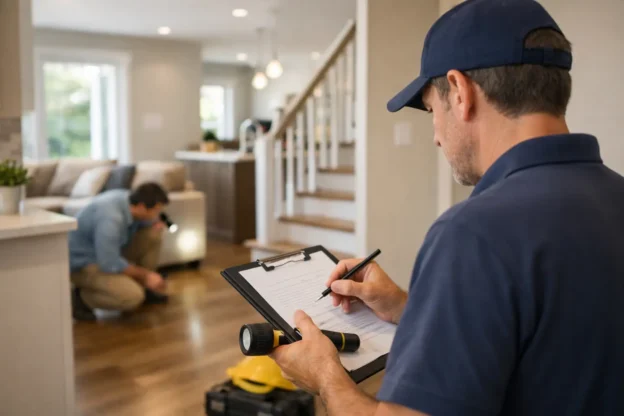
A home inspection appointment tends to feel routine until the inspector starts opening panels, testing systems, and documenting issues you have not looked at in years. If you are wondering how to prepare for home inspection, the goal is not to make an older home look perfect. It is to make the property accessible, safe to evaluate, and honestly presented so the inspection can move forward without avoidable delays.
That matters for both buyers and sellers. A smooth inspection helps everyone get clearer answers faster. It can also prevent small, fixable issues from distracting attention away from the bigger picture.
What preparing for a home inspection really means
Homeowners sometimes assume preparation is about hiding defects or staging the property like an open house. It is not. A professional inspection is designed to identify the visible condition of major systems and components, including roofing, electrical, plumbing, HVAC, structure, windows, doors, insulation, and more.
Preparation is really about access and function. The inspector needs to reach the attic, electrical panel, water heater, air handler, exterior walls, and other important areas. Utilities need to be on. Gates need to be unlocked. Pets need to be secured. If those basics are not handled, the inspection can become incomplete, and that can create frustration for buyers, sellers, agents, and insurers.
In Southwest Florida, preparation also has a weather and insurance angle. Wind mitigation features, roof condition, moisture intrusion, exterior openings, and electrical components may carry more weight here than they would in other markets. A home can be visually tidy and still raise major concerns if key systems are inaccessible or signs of leaks have been ignored.
How to prepare for home inspection before the appointment
Start with the practical items that affect access. Replace burned-out bulbs where possible, unlock gates, and clear stored items away from electrical panels, attic hatches, water heaters, air handlers, and crawlspace entries if the property has them. A good rule is to allow at least a few feet of working space around major systems.
If you have a garage full of storage, this step matters more than people expect. An inspector cannot move heavy belongings, and blocked access often leads to limitations in the report. The same is true for closets or utility rooms packed wall to wall.
Next, make sure all utilities are on. Water, electricity, and gas, if applicable, should be active so fixtures and systems can be tested. If the home is vacant, confirm this a day or two in advance rather than assuming service is still connected.
Then turn your attention to basic home maintenance. Change HVAC filters if they are overdue. Clean around the air handler. Trim back vegetation touching the house. Remove debris from around the condenser. If a sink has been dripping for months or a toilet runs intermittently, take care of it now. Small maintenance items do not usually derail a transaction on their own, but they can signal a pattern of deferred upkeep.
Focus on repairs that affect function, not cosmetics
Fresh paint can help a home show better, but cosmetic touch-ups are usually not the best use of time right before an inspection unless they address a known issue. Functional concerns come first.
Loose handrails, missing GFCI protection where required, active leaks, damaged exterior caulking, deteriorated screens, and non-working doors or windows deserve more attention than minor wall scuffs. An inspector is evaluating condition and safety, not your decorating choices.
There is a trade-off here. Some sellers worry that making repairs before the inspection invites more scrutiny. In practice, obvious problems that remain unaddressed tend to create more concern than repaired items with straightforward documentation. If you have had recent work done on the roof, HVAC, plumbing, or electrical system, keep the receipts and contractor information available.
That said, avoid rushing into major repairs without understanding the issue. If there has been a stain on the ceiling but the source was corrected long ago, repainting without any explanation can raise questions. It is better to be ready to explain the history honestly than to create the appearance of concealment.
Clean enough to inspect, not just to impress
A clean home helps, but not for the reason many people think. Cleanliness makes it easier to observe surfaces, detect moisture concerns, and access systems. Heavy clutter can hide defects, and strong odors can suggest ventilation or moisture problems.
Pay special attention to kitchens, bathrooms, under-sink cabinets, the garage, and mechanical areas. Clear out stored chemicals or piled items that prevent visibility. If there has been a history of leaks under sinks, around tubs, or near the water heater, make sure those areas are dry and accessible.
For Florida homes, exterior cleanup can matter too. Roof edges, soffits, drainage paths, and the grading around the foundation should be visible. If landscaping is pressed tightly against the structure, it may limit inspection of siding, stucco, or moisture-prone areas.
Documents and information that help the process
You do not need to build a binder, but a few records can make the inspection and any follow-up conversations easier. Keep permits, receipts, warranties, and service dates for major improvements if you have them. Roof replacement date, HVAC age, water heater installation date, and electrical upgrades are especially useful.
If the home has had prior insurance-related work, such as roof repairs after a storm or updates tied to a 4-point inspection, having that information ready can be valuable. In some cases, buyers and insurers want clarity about age and condition, not just whether a system works on the day of inspection.
For condos, townhouses, duplexes, and other attached or multi-unit properties, be clear about what areas are accessible and what falls under association responsibility. That does not remove the need for inspection, but it helps set expectations.
What sellers should do on inspection day
If you are selling, plan to leave the property during the inspection unless your agent or inspector requests otherwise. Buyers need room to evaluate the home, and inspectors need to concentrate without feeling rushed or observed in every room.
Before leaving, open interior doors, disarm any alarms that would interfere with testing, and secure pets. This is one of the most overlooked parts of how to prepare for home inspection. Even friendly animals can complicate the process, especially when exterior gates, attic spaces, or multiple entries need to be checked.
Make sure pilot lights are lit where applicable and replace remote batteries if a garage door opener or ceiling fan remote is the only way to test a feature. If there are known quirks, such as a sticky attic ladder or a shut-off valve that needs a specific turn, leave a brief note.
Try not to run laundry, dishwashers, or multiple showers right before the appointment unless the inspector specifically asks you to. Inspectors often test appliances and plumbing fixtures in a particular sequence. Starting with a quiet, neutral baseline can help them identify issues more clearly.
What buyers should expect and ask
If you are the buyer, preparation looks a little different. You are not cleaning the house, but you should prepare your questions. Focus on the age and expected life of major systems, signs of active moisture intrusion, roof condition, electrical concerns, drainage, and safety issues. Those are the findings that usually matter most after the report is delivered.
If you attend, save detailed questions for natural pauses or the end. Most inspectors are happy to explain what they are seeing, but constant interruption can slow down the process or break concentration. A thorough inspection depends on methodical work.
For properties in coastal or storm-prone parts of Southwest Florida, ask about features that affect resilience and insurability. Wind-resistant improvements, older electrical components, signs of previous water intrusion, and exterior maintenance conditions can all have practical consequences beyond the transaction itself.
Common mistakes that create inspection delays
The biggest problems are usually simple. Locked attics, blocked electrical panels, disconnected utilities, aggressive pets, missing access to garages or sheds, and occupants who are not ready for the appointment can all lead to incomplete findings.
Another common mistake is assuming a recently renovated home will pass without issue. New finishes do not always mean quality workmanship behind the walls. In fact, cosmetic upgrades can sometimes make buyers pay closer attention to whether plumbing, electrical, roofing, and moisture protection were handled properly.
Overexplaining can also backfire. You do not need to narrate every repair or apologize for every worn surface. Let the home speak for itself, provide records where useful, and answer questions directly.
A steady approach gets better results
The best way to prepare is to treat the inspection as a fact-finding process, not a performance. Make the home accessible. Handle straightforward maintenance. Be transparent about known repairs and conditions. That approach gives the inspector a fair view of the property and gives everyone involved more confidence in the next step.
If you want the day to go smoothly, think less about appearances and more about readiness. A well-prepared home does not have to be flawless. It just needs to be open, functional, and honestly presented.