


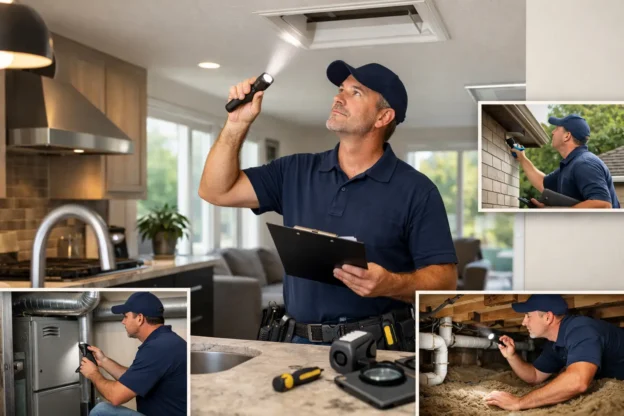
A home can look spotless at a showing and still have problems hiding behind walls, under sinks, or above the ceiling line. That is why buyers and sellers ask the same question: what does a home inspector check, and what can that inspection really tell you before money changes hands?
The short answer is that a home inspector evaluates the visible, accessible systems and components of the property to identify defects, safety concerns, and signs of wear that may affect value, function, or future repair costs. The longer answer matters more, especially in Southwest Florida, where heat, humidity, wind exposure, and heavy rain can put added stress on roofs, electrical systems, air conditioning equipment, and moisture-prone areas.
What does a home inspector check during a standard inspection?
A standard home inspection is a broad visual assessment of the property’s major systems. It is not a pass-or-fail test, and it is not the same as a code compliance inspection or an insurance inspection. The goal is to give you a clear picture of the home’s current condition so you can make a more informed decision.
In most cases, the inspection starts outside. The inspector looks at the roof covering, flashing, gutters, soffits, fascia, exterior walls, windows, doors, grading, drainage, driveways, and other visible exterior features. On a Florida home, this part of the inspection can reveal issues such as cracked tiles, damaged shingles, soft trim, poor drainage near the foundation, or signs that water may be working its way into the structure.
From there, attention turns to the structure itself. That includes the foundation, framing where visible, ceilings, floors, walls, and any signs of settlement, movement, or moisture intrusion. Not every crack means a major structural problem, but patterns matter. A trained inspector looks for the difference between normal cosmetic wear and conditions that deserve a closer look.
The major systems a home inspector checks
Roof
The roof is one of the most important and expensive components of the home, so it gets close attention. An inspector looks for visible damage, aging materials, improper repairs, missing or loose roofing materials, signs of leaks, and the general condition of the roof system. They also review roof penetrations, flashing, and drainage points.
In Southwest Florida, roof condition often carries added weight because of storm exposure and insurance requirements. A roof may still be functional but nearing the end of its useful life, which can affect negotiations, budgeting, or insurability.
Electrical system
The electrical inspection typically includes the main panel, subpanels, visible wiring, breakers, grounding, receptacles, switches, and installed fixtures. The inspector is looking for unsafe conditions such as double-tapped breakers, improper wiring, missing panel knockouts, overheating evidence, outdated components, or receptacles that do not test correctly.
This part of the inspection is about more than whether the lights turn on. A system can appear to work normally and still have defects that create safety concerns or future repair needs.
Plumbing system
Plumbing is evaluated at visible supply lines, drain lines, fixtures, water heaters, shut-off valves, and functional flow at sinks, tubs, showers, and toilets. Inspectors look for leaks, corrosion, poor drainage, low water pressure, loose fixtures, and signs of prior water damage.
In Florida homes, moisture issues can be especially important. A small leak under a sink or around a water heater may seem minor, but in a humid climate, hidden moisture can contribute to mold growth, wood damage, or deterioration over time.
HVAC system
The heating and cooling system is checked for basic operation and visible condition. That includes the air handler, condenser, ductwork where accessible, filters, thermostat response, and signs of deferred maintenance. In this region, air conditioning is not a luxury system. It is one of the most heavily used systems in the home.
An inspector is not performing a full engineering analysis of the equipment, but they can identify common concerns such as dirty components, rust, poor cooling performance, damaged insulation, or evidence that the unit may be aging out.
Interior areas
Inside the home, the inspector reviews walls, ceilings, floors, windows, doors, stairs, railings, and cabinets, along with visible signs of leaks, staining, cracking, or material damage. Appliances may be tested depending on what is included in the inspection agreement.
This is often where hidden problems start to leave clues. A stain on a ceiling, a soft area near a shower, or a sticking door may point to larger issues that deserve attention.
Attic, insulation, and ventilation
If accessible, the attic can tell an inspector a great deal about the home’s condition. They look for insulation levels, ventilation, roof framing issues, moisture staining, microbial growth concerns, and signs of pests. Poor attic ventilation can shorten roof life and increase cooling strain, which matters in a hot climate.
Foundation and crawlspaces
Not every Florida home has a crawlspace or basement, but when present, these areas are inspected for moisture, structural concerns, damaged supports, and signs of pest activity. Slab homes are assessed through visible indicators such as floor cracks, wall movement, and drainage patterns around the property.
What a home inspector checks for beyond the obvious
A good inspection is not just a checklist exercise. It is also about pattern recognition.
For example, one hairline crack in drywall may be ordinary settling. But if that crack appears alongside sloping floors, door alignment problems, and exterior movement, the concern changes. The same goes for moisture. One stained baseboard might suggest an old spill. Repeated staining, elevated moisture readings, and thermal anomalies can point to an active issue.
That is why experience matters. Thorough inspectors do not simply note defects. They connect the dots between symptoms, probable causes, and the practical next step.
Technology can help here as well. Moisture detection tools, thermal infrared cameras, and drone-mounted cameras can reveal issues that are easy to miss from ground level or during a basic visual walk-through. Those tools do not replace judgment, but they can strengthen the accuracy of the inspection when used correctly.
What does a home inspector check that buyers care about most?
Most buyers want to know three things. Is the home safe, is it structurally sound, and what is likely to cost money soon?
That means the most important findings often involve roof life, electrical hazards, plumbing leaks, air conditioning performance, water intrusion, and signs of major structural movement. Cosmetic issues matter less unless they point to a larger condition.
For sellers, the focus can be different. A pre-listing inspection often helps identify repair items before the home goes on the market. That can reduce surprises during the buyer’s inspection and make negotiations more predictable.
For homeowners, inspections may also serve insurance or maintenance goals. In Florida, that can include separate services such as 4-point inspections and wind mitigation inspections, which are more specific than a full home inspection and are often requested for underwriting purposes.
What a home inspection does not include
It helps to understand the limits of the process. A standard home inspection is visual and non-invasive. Inspectors do not open walls, tear up flooring, or predict exactly how long a system will last. They inspect what is accessible on the day of the appointment.
That means some issues can remain hidden, especially if blocked by furniture, stored items, finished surfaces, or locked areas. Pools, seawalls, septic systems, mold testing, and specialized environmental concerns may require additional services depending on the property.
This is not a flaw in the process. It is simply the reality of a professional visual inspection. A reliable report tells you what was inspected, what was found, and where further evaluation may be wise.
Why the inspection report matters as much as the inspection itself
A thorough inspection only helps if the findings are communicated clearly. The report should include photos, straightforward descriptions, and recommendations that make sense to a buyer, seller, or homeowner who is trying to make decisions quickly.
The best reports separate routine maintenance from significant concerns. They do not create panic over every small defect, and they do not soften serious issues into vague language. That balance matters when you are deciding whether to move forward, request repairs, or budget for future work.
For many clients, the real value is confidence. A detailed inspection can give you leverage in negotiations, help you plan repairs in the right order, and reduce the risk of expensive surprises after closing. That is especially true in a market where weather, insurance requirements, and aging systems can all influence the total cost of owning the home.
West Coast Home Inspection approaches that process with the kind of discipline and clear communication clients need when the stakes are high. If you are buying, selling, or reviewing a property’s condition, the right inspection does more than point out defects. It helps you make the next decision with your eyes open.