


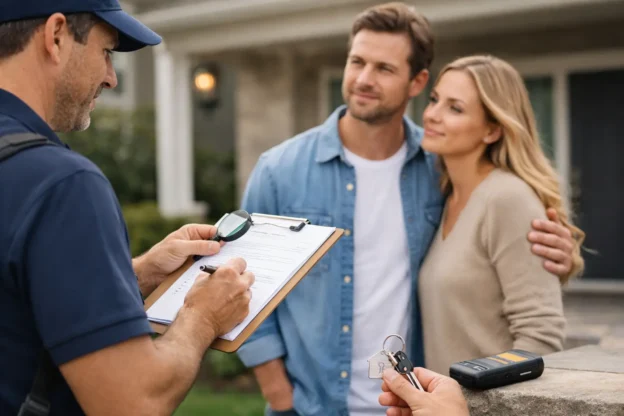
You can love a house in ten minutes and still miss the problems that matter most. A clean showing, fresh paint, and a strong first impression do not tell you what is happening in the attic, around the roof penetrations, behind the electrical panel cover, or near the air handler. That is where pre-purchase inspections earn their value. They give buyers a clearer picture of the property before closing, when there is still time to ask questions, negotiate repairs, or decide whether the risk makes sense.
For buyers in Southwest Florida, that clarity matters even more. Heat, humidity, wind exposure, heavy rain, and insurance requirements can turn a minor-looking issue into an expensive one. A home may look well maintained on the surface but still have moisture intrusion, aging components, unsafe wiring, roof concerns, or signs of deferred maintenance that deserve attention before you move forward.
What pre-purchase inspections actually do
A pre-purchase inspection is not a pass-or-fail test, and it is not the same thing as an appraisal or municipal code review. It is a professional evaluation of the home’s visible and accessible systems and components at the time of the inspection. The goal is straightforward – identify material defects, safety concerns, and maintenance issues so the buyer can make an informed decision.
That includes the roof, exterior, structure, grading and drainage where visible, electrical system, plumbing, HVAC, insulation, interior components, windows and doors, and major appliances that are part of the sale. In Florida, buyers are often especially concerned with roof condition, moisture entry, cooling performance, and signs of damage from weather exposure. Those are not side notes. They can affect insurability, near-term repair costs, and how comfortable the home will be to own.
A good inspection report also helps separate cosmetic issues from meaningful ones. Every lived-in home has imperfections. The value is not in creating alarm over every nail pop or sticky door. The value is in identifying what is normal wear, what needs maintenance, and what deserves immediate attention.
Why pre-purchase inspections matter before you negotiate
Most buyers already understand that an inspection can uncover defects. What is often underestimated is how much leverage comes from having those findings documented clearly. When an issue is supported by photos, concise explanations, and a detailed report, it becomes easier to have a productive conversation with the seller.
Sometimes that leads to repairs before closing. Sometimes it leads to a price reduction or seller credit. In other cases, the best outcome is simply knowing what you are taking on so you can budget realistically. If the water heater is at the end of its service life, the roof shows wear, and the air conditioning system is cooling but aging, those details may not kill the deal. They may just change how you structure it.
That is the practical value of inspection findings. They help buyers move from emotion to facts.
What buyers should expect during pre-purchase inspections
A professional inspection should be thorough, organized, and easy to understand. The inspector is there to evaluate the home, document concerns, and communicate clearly about what was observed. Buyers should expect a detailed report with photo documentation, plain-language findings, and enough context to understand why an issue matters.
Advanced tools can make a meaningful difference here. Moisture detection equipment can help identify areas where leaks or elevated moisture may be present even when obvious staining is limited. Thermal infrared imaging can reveal temperature anomalies that suggest missing insulation, active moisture patterns, or HVAC performance concerns. Drone-mounted cameras can improve roof documentation, especially where visibility is limited or roof access conditions are not ideal. Used correctly, these tools support a more complete inspection rather than replacing sound judgment.
Communication matters just as much as the equipment. A rushed report filled with technical jargon does not help a buyer making a major financial decision. What helps is an inspector who explains findings in a direct, professional way and makes it clear which items are significant, which are routine maintenance, and which may need further evaluation by a licensed specialist.
Common issues buyers overlook
Some of the most expensive problems are not dramatic during a showing. They are subtle. A small area of staining near a window may point to an ongoing moisture issue. A newer-looking interior may distract from an older electrical panel. A cold house during a thirty-minute walkthrough does not confirm the HVAC system is performing properly over time.
In Southwest Florida, moisture intrusion is one of the biggest concerns because it can lead to damaged materials, mold-like conditions, and hidden deterioration. Roof issues are another major factor. Even when a roof is not actively leaking, age, installation defects, flashing problems, and visible wear can affect future repair costs and insurance conversations.
Drainage is also easy to overlook. If water does not move away from the home properly, that can contribute to foundation concerns, exterior wear, and moisture around the structure. Buyers may also miss signs of amateur repairs, aging plumbing components, damaged exterior sealants, or safety issues at the electrical system.
None of these automatically means a home is a bad purchase. It depends on the extent of the issue, the overall condition of the property, and the buyer’s budget and risk tolerance. The inspection helps define that reality.
Older homes, newer homes, and the trade-offs
Buyers sometimes assume older homes are risky and newer homes are trouble-free. Neither assumption holds up very well.
Older homes may have stronger construction in some respects, mature neighborhoods, and updates completed over time. They may also have older wiring methods, aging plumbing, patched roofs, or components nearing the end of service life. Newer homes often offer better energy efficiency and fewer immediate replacements, but they can still have installation defects, incomplete finishes, drainage problems, or issues that were never corrected after construction.
That is one reason pre-purchase inspections are just as valuable on newer homes as they are on older ones. New does not mean perfect. It only changes the type of issues you are likely to find.
How to use the inspection report wisely
The best use of an inspection report is not to demand that every minor issue be fixed. That approach usually creates friction without improving the transaction much. A better approach is to focus on defects that affect safety, function, water intrusion, major systems, or significant upcoming cost.
Buyers should review the report carefully and talk through the findings with their real estate agent and inspector. Some items may call for further evaluation by a roofer, electrician, HVAC contractor, or plumber. That extra step can be worthwhile when the issue is substantial or the repair cost could be meaningful.
It is also smart to think beyond closing day. A solid inspection report can become the foundation of your maintenance plan. Even if you move forward without asking for repairs, you now know which items to monitor and which systems may need attention first.
Choosing an inspector for pre-purchase inspections
Not all inspections are delivered at the same standard. Buyers should look for an inspector known for thoroughness, strong communication, and detailed reporting. Credentials matter, but so does consistency. You want someone who takes the time to inspect carefully, explains what they find without exaggeration, and provides a report you can actually use.
Local experience matters too. In Florida, inspectors need to understand the conditions that commonly affect homes here, from wind-related roof concerns to moisture issues, cooling system demands, and the practical realities tied to insurance. A disciplined inspection process, backed by tools that support better documentation, can make a real difference when the stakes are high.
That is why many buyers choose a company like West Coast Home Inspection. Thorough reporting, responsive communication, and practical reliability are not marketing extras. They are what help buyers make confident decisions.
A smart decision is not always a perfect house
A pre-purchase inspection does not exist to talk you out of buying a home. It exists to show you the home more clearly. Sometimes the result is reassurance. Sometimes it is a negotiation tool. Sometimes it is a warning that saves you from stepping into a costly problem without realizing it.
The right house is rarely flawless. What matters is knowing what you are buying, what it may need next, and whether that fits your budget and comfort level. When you have that information before closing, you are not just buying a property. You are making the decision with your eyes open.