


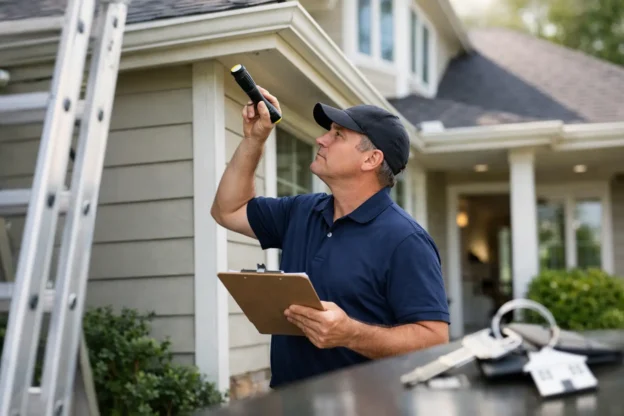
A house can look clean, freshly painted, and move-in ready, yet still have hidden moisture, roof wear, electrical concerns, or HVAC issues waiting behind the surface. That is why residential property inspections matter so much in Southwest Florida. When you are buying, selling, building, or maintaining a home, a thorough inspection gives you a clearer picture of the property before a small issue turns into an expensive surprise.
For most people, this is not a minor decision. It is a major financial commitment tied to your safety, your insurance, and your long-term maintenance costs. A solid inspection is less about checking a box and more about reducing uncertainty.
What residential property inspections actually cover
At the most practical level, residential property inspections evaluate the visible and accessible components of a home. That usually includes the roof, exterior, structure, attic, insulation, plumbing, electrical system, HVAC, interior rooms, windows, doors, and major built-in appliances. The goal is to identify material defects, safety concerns, and signs of deferred maintenance.
A good inspection also pays attention to how systems work together. A roof issue can lead to moisture intrusion. Poor drainage can affect the foundation. An aging electrical panel may raise both safety and insurance concerns. The report should not leave you guessing about what was found or why it matters.
In Florida, that scope often needs to go a step further. Weather exposure, wind risk, high humidity, and heavy rain can accelerate wear in ways buyers from other states may not expect. Signs of active leaks, past water intrusion, exterior deterioration, and ventilation problems deserve careful attention because they can affect both livability and insurability.
Why residential property inspections matter before closing
If you are buying a home, timing matters. Once you close, the responsibility for repairs usually becomes yours. An inspection gives you a chance to understand the condition of the property while you still have options.
That does not always mean walking away. In many cases, the inspection helps buyers negotiate repairs, request credits, plan future maintenance, or simply move forward with confidence because they know what they are getting. Even when the home is in generally good shape, the inspection can reveal items that need budgeting in the next year or two, such as an aging water heater or a roof nearing the end of its service life.
This is especially important with older homes, waterfront properties, and houses that have been vacant for a period of time. Those properties can have very different risk profiles. Cosmetic updates may hide wear rather than resolve it.
Sellers benefit from inspections too
Sellers sometimes assume inspections only serve the buyer, but that is not the full picture. A pre-listing inspection can help a seller identify issues early, make repairs on their own timeline, and avoid last-minute negotiations that disrupt a deal.
It can also make listing preparation more straightforward. When a seller understands the actual condition of the property, there is less scrambling after a buyer’s inspection report arrives. Some issues are worth fixing before the home goes on the market. Others may be better addressed through price strategy and clear disclosure. The right path depends on the home, the market, and the severity of the findings.
For sellers who want fewer surprises and cleaner negotiations, this can be a practical move rather than an extra step.
Not every inspection serves the same purpose
One common point of confusion is assuming every inspection is the same. It is not. Different situations call for different inspection services, and in Florida that distinction matters.
A pre-purchase inspection is broad and focused on the overall condition of the home. A pre-listing inspection serves sellers who want to get ahead of repair questions. A new construction inspection helps catch problems before final walkthrough or before the builder warranty period ends. A 12-month warranty inspection is especially useful because many issues become more visible after a home has been lived in for a year.
Then there are inspections driven by insurance requirements. A 4-point inspection focuses on the roof, electrical, plumbing, and HVAC systems. A wind mitigation inspection documents features that may improve a home’s resistance to wind damage and can sometimes help with insurance discounts. These are not substitutes for a full home inspection, but they can be critical in the Florida market.
Condo, townhouse, manufactured home, duplex, and multi-unit inspections also come with their own considerations. The systems, responsibilities, and access points can differ, so the inspection approach should match the property type.
What makes a thorough inspection different
Not all inspection reports deliver the same value. Some are brief and generic. Others provide clear photo documentation, specific observations, and practical explanations that help you make decisions.
A thorough inspector does more than point out flaws. They help you understand severity, location, likely implications, and next steps. That distinction matters when you are reviewing findings under a contract deadline or trying to prioritize repairs after move-in.
Technology can improve that process when it is used correctly. Moisture meters can help confirm suspicious staining or elevated moisture levels. Thermal infrared cameras can reveal temperature differences that may point to hidden moisture, insulation gaps, or HVAC performance concerns. Drone-mounted cameras can improve visibility on roofs and other hard-to-reach areas. These tools do not replace experience, but they can strengthen the inspection when combined with trained judgment.
Just as important is communication. Clients should not be left staring at a report full of technical language with no context. The best inspections are detailed, but also understandable.
Florida homes require a Florida mindset
Residential property inspections in Southwest Florida need to account for local realities. Heat, humidity, storms, salt air, and insurance pressures all influence how a property should be evaluated.
For example, roof condition is not just a maintenance issue here. It can affect insurability, ongoing costs, and the speed of a real estate transaction. The same is true for electrical panels, plumbing materials, and HVAC performance. A home can feel comfortable during a showing but still have system-age concerns that matter to an insurer or future buyer.
This is one reason local experience matters. A report should reflect how homes in places like Fort Myers, Cape Coral, Naples, and surrounding communities actually perform under Florida conditions. That means paying close attention to moisture, exterior wear, attic ventilation, drainage patterns, and wind-related features, not just the obvious cosmetic condition.
What clients should expect from the process
The inspection process should be straightforward. Once scheduled, the inspector conducts a visual examination of the home’s accessible systems and components, documents findings, takes photos, and prepares a report. Many clients attend at least part of the inspection, which can be helpful if they want to ask questions in real time.
The report should arrive promptly and be organized in a way that supports decision-making. Buyers often need it quickly for negotiations. Sellers need it to plan repairs. Homeowners may need it for maintenance planning or insurance documentation.
It is also worth remembering what an inspection is not. It is not a code compliance certification, a warranty, or a prediction of every future failure. A home inspection is a professional snapshot of the property’s visible condition at the time of the inspection. That limitation does not reduce its value, but it does mean expectations should be realistic.
Choosing the right inspection company
When comparing inspection companies, price alone rarely tells the full story. The better questions are whether the inspection will be thorough, whether the report will be clear, and whether the inspector will communicate in a way that helps you act on the information.
That is where professionalism shows. A dependable company explains the scope, arrives prepared, uses the right tools, and delivers findings without hedging or unnecessary alarm. The tone should be steady and practical. You need facts, not guesswork.
For many clients, trust matters just as much as technical skill. If you are relying on an inspector during a major purchase or sale, accountability matters. That is one reason many Southwest Florida clients look for a company with a reputation for discipline, responsiveness, and detailed reporting, such as West Coast Home Inspection.
A home does not need to be perfect to be a good purchase, and an inspection report does not need to be alarming to be useful. What matters is knowing where the risks are, what needs attention now, and what can be planned for later. When you have that information in hand, decisions get clearer and the next step feels a lot more manageable.